
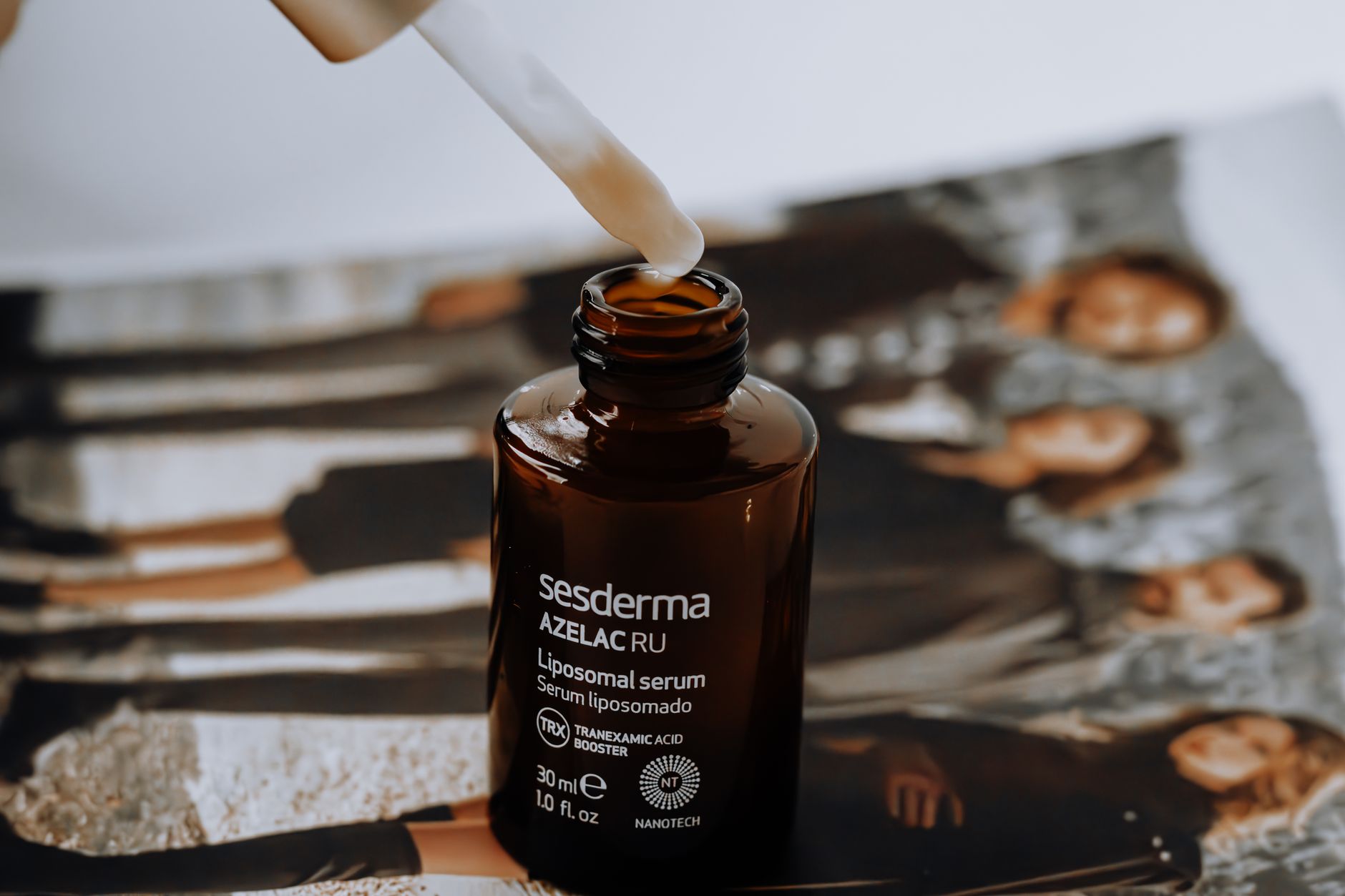
Hyaluronic acid has become a popular ingredient in skincare, thanks to its powerful hydrating properties. But if you’re battling acne, you may wonder: does hyaluronic acid help acne? This article dives into the benefits of hyaluronic acid, how it plays a role in your skincare routine, and offers tips for maintaining healthy, balanced skin.
Understanding how hyaluronic acid interacts with acne-prone skin can help you make informed decisions about your beauty routine. We’ll explore its functions, suitable product types, and practical guidelines to support your skincare journey.
Does Hyaluronic Acid Help Acne?
Yes, hyaluronic acid can help acne-prone skin, primarily by keeping it hydrated and balanced. Hydration is essential for all skin types, including oily and acne-prone skin, as it helps prevent excessive oil production and supports overall skin health.
What is Hyaluronic Acid?
Hyaluronic acid is a naturally occurring substance found in the human body, particularly in connective tissues, skin, and cartilage. It has an incredible ability to hold onto moisture—up to 1,000 times its weight in water—making it a key ingredient in many skincare products. Its main role is to retain moisture, providing hydration and elasticity to the skin.
Benefits of Hyaluronic Acid for Acne-Prone Skin
Incorporating hyaluronic acid into your routine can be beneficial for acne-prone skin for several reasons:
- Hydration: Well-hydrated skin can help regulate sebum production. When skin is dry, it can signal the sebaceous glands to produce more oil, which can lead to acne. Hyaluronic acid helps keep the skin hydrated without adding excess oil.
- Soothing Properties: Hyaluronic acid has soothing and anti-inflammatory properties that can help reduce redness and irritation associated with acne.
- Improved Skin Barrier: It helps strengthen the skin’s moisture barrier, making it less susceptible to environmental aggressors that can trigger breakouts.
- Enhanced Absorption of Other Products: Applying hyaluronic acid can prepare your skin to better absorb other active ingredients in your routine, such as retinoids or salicylic acid, which are often recommended for acne treatment.
How to Incorporate Hyaluronic Acid into Your Routine
Using hyaluronic acid is simple, but creating a balanced skincare routine is vital. Here are some steps to consider:
Morning Routine
- Cleansing: Start with a gentle cleanser suited for your skin type, designed to clean without stripping the skin of its natural oils.
- Exfoliation: If needed, use a chemical exfoliant containing salicylic acid or glycolic acid two to three times a week to help prevent clogged pores.
- Hyaluronic Acid Serum: After cleansing, apply a few drops of hyaluronic acid serum on damp skin. This helps to lock in moisture.
- Moisturizer: Follow up with a lightweight, oil-free moisturizer to hydrate and protect your skin.
- Sun Protection: Always finish your morning routine with broad-spectrum sunscreen SPF 30 or higher to protect your skin from UV damage.
Evening Routine
- Cleansing: Use a gentle makeup remover followed by your cleanser to ensure all product residue and impurities are removed.
- Hyaluronic Acid Serum: Apply your hyaluronic acid serum to damp skin. This allows the ingredient to work most effectively, keeping your skin hydrated overnight.
- Treatment Products: If you use prescription treatments or over-the-counter products for acne, apply them after your hyaluronic acid serum. Make sure to follow the product instructions.
- Moisturizer: Close your routine with an appropriate moisturizer to seal in hydration and further support your skin’s repair processes overnight.
Selecting the Right Hyaluronic Acid Products
When looking for hyaluronic acid products, consider the following:
- Concentration: Look for products with a concentration of between 0.1% and 2% hyaluronic acid. Higher concentrations are not necessarily more effective and may cause irritation.
- Formulation: Choose serums or lightweight moisturizers that are non-comedogenic (won’t clog pores) and suitable for acne-prone skin.
- Additional Ingredients: Products containing combination ingredients like niacinamide, salicylic acid, or peptides can further enhance the benefits for acne-prone skin.
Common Mistakes to Avoid
Using hyaluronic acid can be beneficial, but be wary of these common pitfalls:
- Using on Dry Skin: Hyaluronic acid works best when applied to damp skin. Applying it to dry skin can draw moisture out from the deeper layers, leading to dehydration.
- Overusing Exfoliants: While exfoliation is beneficial, overdoing it can irritate the skin, exacerbating acne. Balance is essential.
- Neglecting Moisturizer: Always follow with a moisturizer to ensure that the hydration is locked in; otherwise, hyaluronic acid could contribute to skin dehydration without it.
Signs of Irritation
While hyaluronic acid is generally well-tolerated, some individuals may experience irritation. Signs to look for include:
- Redness
- Increased sensitivity
- Stinging or burning sensations
- Worsening of acne
If you notice any of these signs, reduce frequency or consult a skincare professional for personalized advice.
Combining Hyaluronic Acid with Acne Treatments
Often, acne treatments can be harsh on the skin. When using products like benzoyl peroxide, salicylic acid, or retinoids, consider these tips:
- Layer Correctly: Always apply hyaluronic acid before these treatments to maximize hydration and minimize irritation.
- Patch Test New Products: Before fully incorporating new products, perform a patch test to check for adverse reactions.
- Take it Slow: Gradually introduce acne treatments and monitor your skin’s response to minimize potential irritation.
Additional Skincare Tips for Acne-Prone Skin
Beyond hyaluronic acid, here are some general tips for managing acne-prone skin:
- Stay Hydrated: Drinking plenty of water helps maintain overall skin health.
- Choose Non-Comedogenic Products: Select makeup and skincare products labeled non-comedogenic to reduce the risk of clogged pores.
- Maintain a Regular Routine: Consistency is key for seeing improvements; stick to your routine.
- Avoid Touching Your Face: Try to refrain from touching your face to prevent transferring dirt and oils.
- Consult with a Professional: For persistent acne, consider seeking the advice of a dermatologist or skincare professional for tailored guidance.
Are There Any Limitations to Using Hyaluronic Acid?
While hyaluronic acid presents numerous benefits, it’s important to understand its limitations:
- Not a Cure for Acne: While it hydrates the skin, hyaluronic acid is not an acne treatment by itself. It works best as part of a broader regimen.
- May Not Address Underlying Issues: For some individuals, underlying hormonal issues or severe acne may require medical treatment.
- Potential for Over-Reliance: Relying solely on hyaluronic acid without addressing other necessary products may lead to imbalances in your skincare routine.
Final Thoughts on Hyaluronic Acid and Acne
Hyaluronic acid is a wonderful ally for those with acne-prone skin. Its hydrating properties can promote a balanced, healthier complexion. However, it is important to navigate your routine cautiously and be mindful of how it interacts with other products. Hydration should be a priority, but remember to combine hyaluronic acid with acne-fighting ingredients to address breakouts effectively.
To get the best out of your skincare efforts, establish a consistent routine, stay hydrated, and consult with skincare professionals if needed. Your skin is unique, and incorporating the right practices can lead you towards achieving your skincare goals.
For more insights on managing acne, explore our guides on getting rid of acne fast and treating cystic acne. Your journey to clearer skin is within reach!