
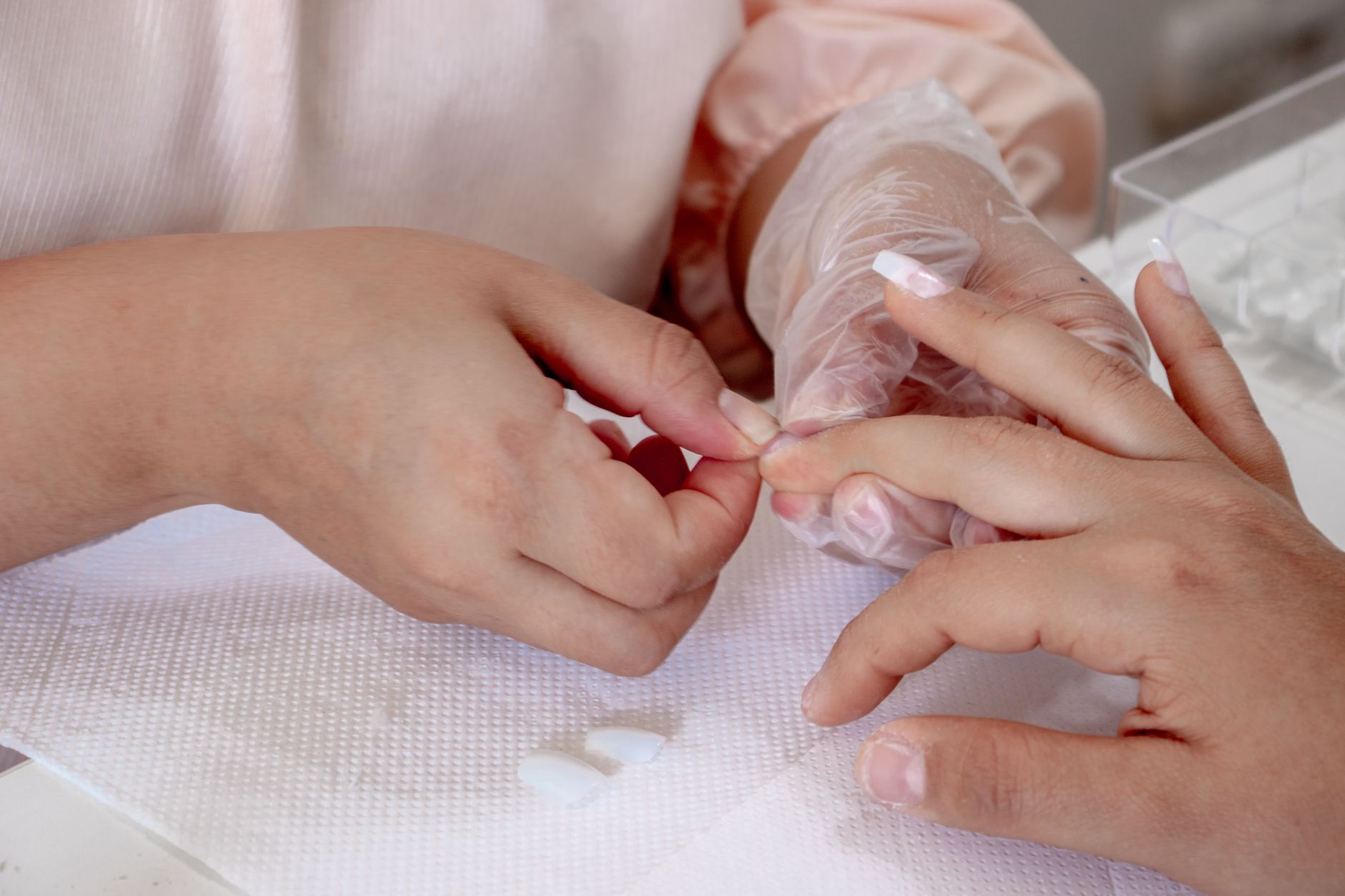
Getting acrylic nails removed at home may seem like a daunting task, but with the right approach, it’s entirely manageable. The process requires patience and the right tools to ensure your natural nails remain healthy and intact. In this guide, we’ll detail step-by-step instructions for safely removing acrylic nails, along with tips for maintaining your nail health throughout the process.
Acrylic nails offer a stunning look, but when it’s time for a change or your nails have grown out, removing them carefully is crucial. Rushing the process can lead to brittle nails and damage to your natural nail beds. Let’s explore effective methods for how to get acrylic nails off at home safely.
How to Get Acrylic Nails Off at Home?
To remove acrylic nails at home, you can either soak them off using acetone or use a file to gently remove the top layers. Each method has its pros and cons, but with the right technique and tools, you can have your acrylics off without damaging the underlying nail. Below are detailed steps for both methods.
Preparation: Gather Your Tools
Before starting the removal process, gather the necessary tools. Here’s what you’ll need:
- 100% acetone (nail polish remover)
- Cotton balls or squares
- Aluminum foil (cut into squares)
- Nail file (preferably a coarse grit for acrylics)
- Cuticle pusher or an orangewood stick
- Buffer
- Moisturizing lotion or cuticle oil
- Optional: Nail clipper
Method 1: Soaking Off Acrylic Nails
This method is the most popular and effective way to remove acrylic nails without causing damage. Here are the steps:
- Start with a Nail Trim: If your acrylics are long, use a nail clipper to trim them down to minimize the amount of product being soaked. Be careful not to clip your natural nails.
- File the Surface: Use a coarse nail file to gently buff the top layer of the acrylic. This helps to break the seal and allows the acetone to penetrate the acrylic more effectively. Avoid filing your natural nails.
- Soak Cotton Balls: Soak cotton balls or squares in 100% acetone. Ensure they are saturated but not dripping wet.
- Apply to Nails: Place the soaked cotton on top of the acrylic nails, ensuring full coverage.
- Wrap with Foil: Wrap each finger with a square of aluminum foil to hold the cotton in place. This traps heat and helps the acetone work faster.
- Wait: Allow the nails to soak for 15 to 30 minutes. You may want to check after 15 minutes to see if the acrylic begins to lift.
- Remove Foil and Cotton: Carefully unwrap the foil and cotton balls. The acrylic should look soft and be lifting away from the natural nail.
- Gently Push off the Acrylic: Use a cuticle pusher or orangewood stick to gently push the acrylic off. Do not force or scrape hard, as this can damage your natural nail.
- Buff and Clean Nails: After removing the acrylic, use a buffer to smooth the surface of your natural nails. Clean your nails with a gentle nail polish remover to remove any excess residue.
- Hydrate: Finish with a good moisturizer or cuticle oil to replenish moisture.
Method 2: File-Off Method
If you prefer not to soak your nails in acetone, you can use the filing method. Follow these steps:
- Trim the Acrylics: Using a nail clipper, cut the length of the acrylic nails down as much as possible without damaging your natural nails.
- File the Top Layer: Use a coarse nail file to carefully file off the top layer of the acrylic. This process may take time, so be patient and gentle.
- Continue to File: Gradually file away more of the acrylic until you see the natural nail underneath. Work slowly to avoid harming your natural nails.
- Take Breaks: If needed, take breaks to prevent overheating the nail bed. Your nails may feel tender as you file.
- Moisturize: Once the acrylic is removed, use a buffer to smooth any rough spots on your natural nails and finish with cuticle oil or moisturizer.
Common Mistakes to Avoid
Even with the right methods, mistakes can lead to nail damage. Here are some common pitfalls to watch out for:
- Skipping Nail Care: It’s important to hydrate and moisturize your nails and cuticles after removal to promote recovery.
- Using Low-Quality Products: Stick to 100% acetone; other removers may not be effective on acrylics.
- Forcing Acrylic Off: Rushing the process can result in pain and nail damage. Always use gentle pressure.
- Neglecting Nails After Removal: After removing acrylic nails, nails can be weak. Give them a rest and treat them with care.
Post-Removal Nail Care Tips
After successfully removing your acrylics, nurturing your natural nails is essential to restore health and strength:
- Keep Nails Short: Allow your natural nails to grow out strong by keeping them trimmed and short for a while.
- Moisturize Regularly: Apply a cuticle oil or nourishing nail treatment daily to prevent dryness.
- Use Nail Strengtheners: Consider applying a nail hardening treatment to strengthen your nails and prevent breakage.
- Avoid Nail Products: Refrain from using nail polish or other nail products for a week or two post-removal to aid recovery.
- Healthy Diet: A balanced diet with plenty of vitamins and minerals will help improve your nail health.
When to Seek Professional Help
If you encounter any of the following issues, consider seeking professional help:
- If your nails are damaged, split, or painful
- If you experience persistent discomfort while removing the acrylics
- If you notice signs of infection, such as redness, swelling, or pus
FAQs About Acrylic Nail Removal
Can I remove acrylic nails without acetone?
While acetone is the most effective method for removing acrylics, you can use a filing method as an alternative. However, this may take more time and require special care not to damage your natural nails.
How long does it take to remove acrylic nails at home?
The duration depends on the method and condition of your nails. Soaking can take anywhere from 15 to 30 minutes, while filing could take longer, depending on the thickness of the acrylics.
Will my nails be damaged after removing acrylics?
There may be some initial weak spots or soft areas after removal, especially if not done carefully. Proper aftercare, including moisturizing and avoiding harsh chemicals, can help restore nail health.
Conclusion
Removing acrylic nails at home is a feasible task with the right steps and tools. Whether you choose the soaking or filing method, always prioritize your natural nail health by working gently and hydrating afterward. With proper care, your nails can recover beautifully, ready for whatever style you choose next.
For further tips on nail care, consider checking out our guides on how to remove gel nail polish and how to remove Gel-X nails.