
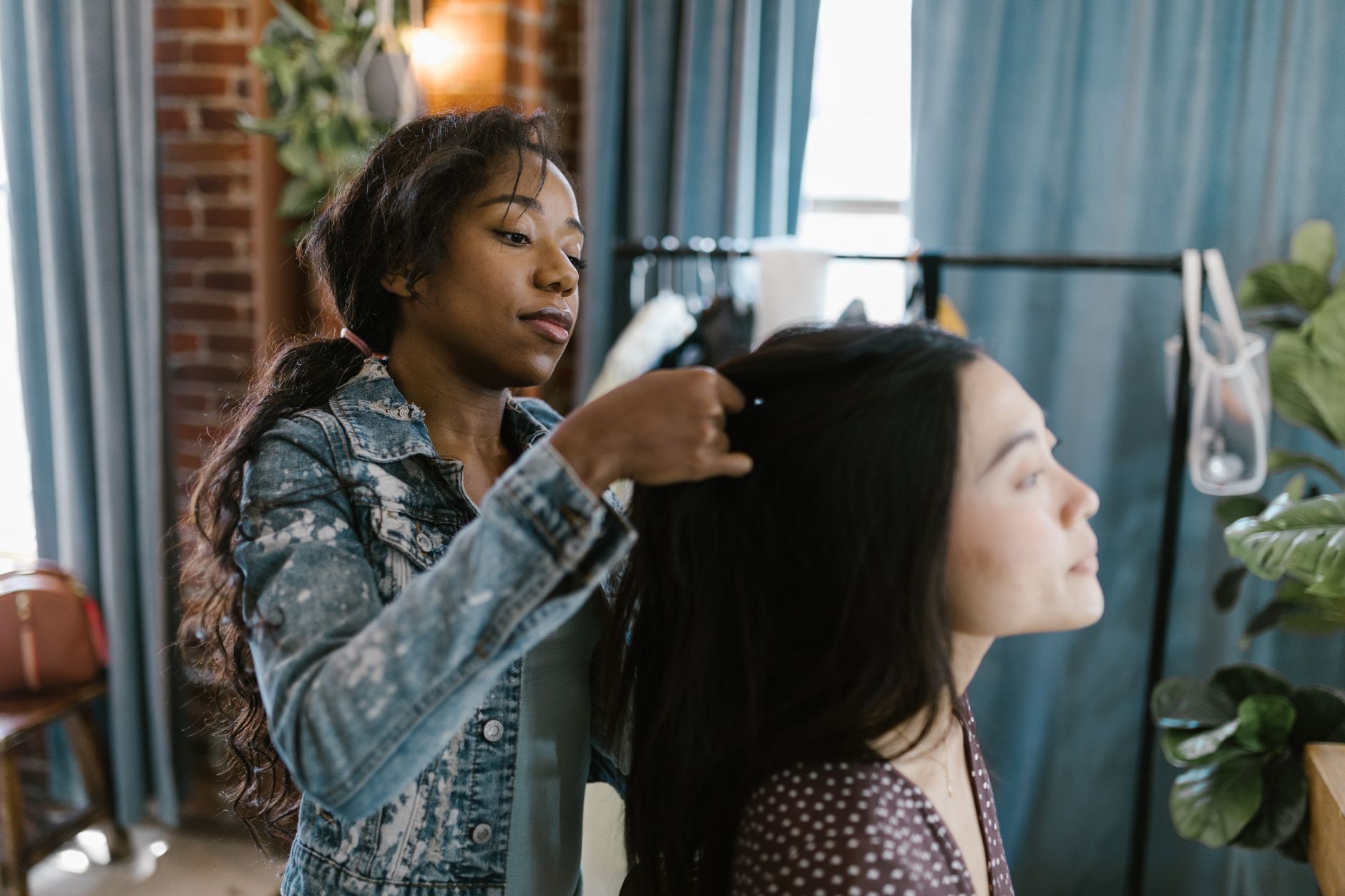
Quick weaves are a popular protective hairstyle that offers versatility without the long-term commitment associated with traditional sew-ins. Many people wonder, “How long do quick weaves last?” Understanding the lifespan of a quick weave, along with proper care techniques, can help preserve the look and ensure the health of your natural hair.
In this guide, we will explore the duration you can expect from your quick weave, factors that influence its longevity, essential care tips, and best practices for maintaining this stylish hairstyle. Whether you’re a quick weave veteran or a newcomer, you’ll find useful information to enhance your hair experience.
How Long Do Quick Weaves Last?
Quick weaves typically last between 4 to 6 weeks, though this can vary based on factors like maintenance habits, hair type, and installation techniques. Generally, if installed correctly and cared for well, you can enjoy your quick weave for the full duration.
Let’s break down the factors contributing to the effectiveness and longevity of a quick weave.
Factors Influencing the Longevity of Quick Weaves
Several elements can affect how long your quick weave lasts. Understanding these can help you prolong its life:
- Installation Technique: A well-installed quick weave will typically last longer. Proper bonding methods and avoiding excess glue can prevent quicker wear and tear.
- Hair Type & Texture: The porosity and texture of your natural hair can influence how well the weave holds up. Fine, straight hair may struggle more with bond retention than coarser textures.
- Maintenance Routine: Regular upkeep, including washing, conditioning, and gentle handling, can make a significant difference.
- Environmental Factors: Exposure to humidity, heat, and pollutants can also play a role. Living in a humid climate may lead to quicker wear due to moisture affecting the bonds.
- Quality of Hair Used: The quality of the hair extensions—whether they’re human or synthetic—affects longevity. High-quality human hair generally lasts longer than synthetic alternatives.
Best Practices for Quick Weave Care
Caring for your quick weave properly can significantly enhance its lifespan. Here are some recommended care practices:
1. Keep Your Hair Clean
While it’s important to maintain hygiene, avoid excessive washing. Clean your scalp gently using a sulfate-free cleanser, as this can help prevent product buildup. Every other week is typically sufficient unless your scalp becomes oily or dirty.
2. Condition Regularly
Deep conditioning is essential for maintaining both your natural hair and your quick weave. Apply a leave-in conditioner or a lightweight oil to keep both your weave and hair moisturized.
3. Avoid Excessive Heat
Keep heat styling to a minimum to avoid damaging the hair extensions. If you must use heat, apply a heat protectant and set your tools to a lower setting.
4. Secure Your Edges
Use a satin scarf or a silk bonnet at night to help protect your edges and maintain the style. This also reduces friction, preventing wear and tear while you sleep.
5. Be Gentle
When combing or brushing your quick weave, use a wide-tooth comb and be gentle to avoid unnecessary pulling and shedding of the hair.
Signs It’s Time for a Change
Recognizing when your quick weave needs to be removed is crucial for the health of your natural hair. Look for the following signs:
- Shedding: If you notice more shedding than usual, it might be time to remove the quick weave.
- Buildup: Excessive product buildup on the weave can make it look dull and lifeless. If it starts to lose its luster, consider a change.
- Itchiness or Irritated Scalp: Persistent itchiness or irritation may signify that the quick weave is too tight or that you need to address underlying scalp health.
- Loose Weave: If the weave begins to move or feels loose, it’s a good indication that it should be removed.
Before Installing a Quick Weave
Preparation is key for a successful quick weave application. Here’s how to prepare your hair and scalp appropriately:
1. Cleanse Your Hair and Scalp
Start with a clean slate. Wash and condition your hair thoroughly to remove any product buildup. Make sure your hair and scalp are completely dry before installation.
2. Deep Condition
Apply a deep conditioner to ensure your natural hair is hydrated. This will also help in minimizing damage during the installation process.
3. Blow Dry Your Hair
Blow drying your hair can help create a smooth surface for the quick weave. Ensure you use a heat protectant to guard against heat damage.
4. Choose the Right Hair
When selecting hair extensions, consider the following:
- Texture compatibility with your natural hair
- Color matching
- Quality of hair (human vs. synthetic)
5. Protect Your Natural Hair
Consider applying a protective serum along your hairline and on your natural hair to minimize damage from the bonding process.
Installation Process for Quick Weaves
The installation process should ideally be done by a professional for the best results. Here’s a simplified overview of what it typically involves:
- Section Your Hair: Create sections according to the desired style.
- Apply Protective Serum: Spread the serum along the hairline and known areas of stress.
- Apply Glue or Adhesive: Use a safe bonding adhesive for the hair extensions or glue.
- Attach Hair Wefts: Start from the back, gluing wefts onto the prepared sections.
- Style as Desired: Once the entire head is done, you can style the extensions to your preference.
Removing Your Quick Weave
Properly removing a quick weave is just as important as the application. Follow these steps for safe removal:
- Loosen the Bonds: Use a bond remover or oil-based product to loosen the glue. Apply it carefully and wait a few minutes.
- Carefully Pull off the Wefts: Gently pull off the wefts starting from the ends. Avoid yanking it off to prevent damage to your natural hair.
- Clean Your Hair and Scalp: After removal, wash your hair to remove any residue. A scalp-cleansing shampoo can be particularly helpful.
- Deep Condition: Follow up with a deep conditioning treatment to nourish your hair after the wear.
Alternatives to Quick Weaves
If you’re interested in other options, consider these alternatives:
- Sew-in Bundles: More durable but takes longer to install.
- Clip-in Extensions: Great for temporary wear and are easy to apply and remove.
- Braided Styles: Protective style that grants better longevity but requires more time to install.
Conclusion
Quick weaves can be a gorgeous addition to your hair repertoire, offering flexibility and style without extensive long-term commitment. They typically last 4 to 6 weeks, depending on multiple factors like installation technique and maintenance. By practicing good hair care and understanding your weave, you can maximize its lifespan while keeping your natural hair healthy.
For your next step, ensure you have a proper maintenance routine in place to enjoy seamless style and comfort with your quick weave. Explore our related beauty guides on how long hair extensions last and how long a silk press lasts for more insights into hair care and styling.