
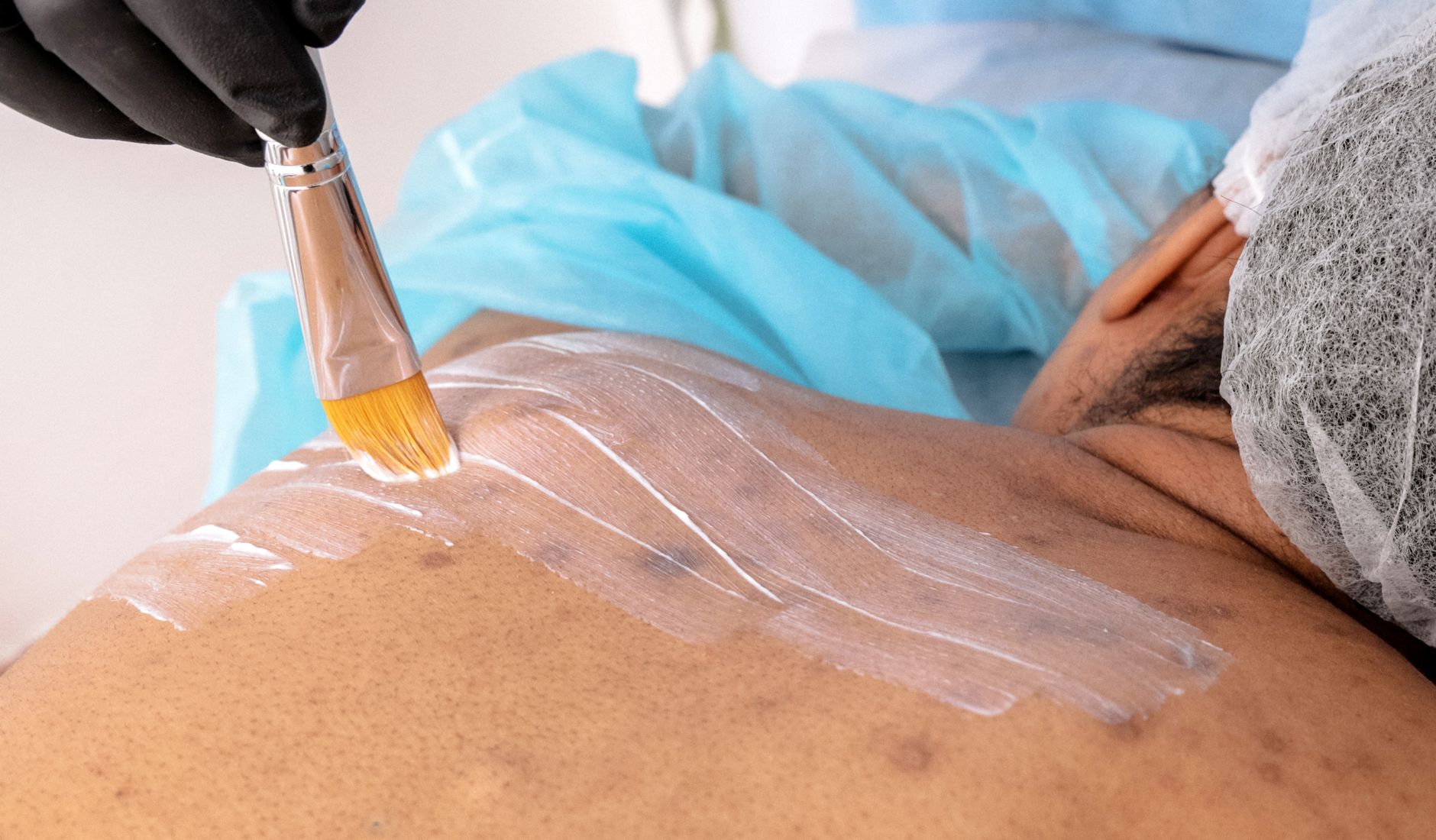
Acne scars can be one of the lingering effects of acne, impacting more than just the skin’s appearance. Many individuals seek effective ways to reduce the visibility of these scars, and retinol is frequently touted as a potential solution. But does retinol truly help with acne scars? This article delves into the evidence surrounding retinol’s efficacy and offers practical insights for those looking to improve their skin’s texture.
Retinol is a derivative of vitamin A known for its ability to promote cell turnover and stimulate collagen production. When used appropriately, it can enhance skin texture, minimize fine lines, and potentially improve the appearance of acne scars. However, understanding how to incorporate it into your skincare routine and managing expectations is crucial for achieving desired results.
Does Retinol Help with Acne Scars?
Yes, retinol can help improve the appearance of acne scars. Its ability to accelerate skin cell turnover promotes the shedding of dead skin cells and the growth of new, healthier skin. This process can gradually blur the visibility of scars and improve overall skin texture. However, results vary based on individual skin types, the severity of scarring, and the consistency of use.
Understanding Acne Scars
Before diving into how retinol works on acne scars, it’s essential to understand the different types of acne scars:
- Atrophic Scars: These include ice-pick, boxcar, and rolling scars that appear as depressions in the skin.
- Hypertrophic Scars: Raised scars that occur when the body produces excess collagen during the healing process.
- Post-Inflammatory Hyperpigmentation (PIH): Dark spots that remain after acne heals, which are not true scars but can be mistaken as such.
Retinol is often most effective for atrophic scars and can also assist with PIH, while hypertrophic scars typically require other treatments.
How Retinol Works
Retinol works by promoting cell turnover. Here’s how it generally affects the skin:
- Increased Cell Turnover: Retinol encourages the skin to shed dead cells at a faster rate. This helps in removing scarred skin surface, making way for new skin.
- Collagen Production: Retinol stimulates fibroblast activity, which increases collagen production. Collagen is essential for skin elasticity and overall texture.
- Improved Skin Texture: With regular use, retinol can lead to smoother skin and a more even tone.
This multifaceted mechanism is what makes retinol a popular option for addressing various skin concerns, including acne scars.
Types of Retinol Products
When considering retinol for acne scars, you might encounter several forms of retinoids, ranging from over-the-counter options to stronger prescription formulations:
- Retinol: Commonly found in skincare products, typically at lower concentrations, making it suitable for beginners.
- Retinaldehyde: More potent than retinol and converts to retinoic acid in the skin more efficiently.
- Prescription Retinoids: Such as tretinoin (Retin-A), these are stronger and can provide quicker results but may lead to more irritation.
Start with a lower concentration of retinol if you’re new to retinoids, then gradually increase as your skin adjusts.
How to Incorporate Retinol into Your Skincare Routine
Here’s a simple guide to incorporating retinol into your skincare routine:
Evening Routine
- Cleanser: Start with a gentle cleanser to remove makeup and impurities.
- Toner (Optional): If you use a toner, ensure it’s hydrating and alcohol-free.
- Retinol Application: Apply a pea-sized amount of retinol to clean, dry skin, avoiding the eye area.
- Moisturizer: Follow the retinol with a moisturizer to help mitigate dryness.
Morning Routine
- Cleanser: Use a gentle cleanser to wash your face.
- Vitamin C Serum (Optional): A vitamin C serum can help protect the skin from free radicals and enhance brightness.
- Moisturizer and Sunscreen: Always finish with a broad-spectrum sunscreen during the day. This is crucial as retinol can increase sun sensitivity.
It’s advisable to use retinol products only at night and slowly introduce them into your routine, starting with one to two times a week before gradually increasing frequency as your skin builds tolerance.
Managing Expectations and Potential Side Effects
While retinol can help improve the appearance of acne scars, it’s essential to manage expectations:
- Varied Results: Results can vary widely from person to person. Some may see significant improvement, while others may notice minor changes.
- Timeframe: Expect to use retinol consistently for several weeks to notice improvements, and it might take months to see more substantial results.
- Possible Side Effects: Skin irritation, redness, and dryness are common, especially when first starting. Use a moisturizer to help alleviate these effects and consider adjusting the frequency of use.
If irritation persists, consider consulting a dermatologist for tailored advice or alternatives that may suit your skin better.
Common Mistakes When Using Retinol
Here are some frequent missteps people make when incorporating retinol into their routine:
- Applying Too Much: Less is more; a pea-sized amount is sufficient for the entire face.
- Skipping Sunscreen: Never omit sunscreen during the day, as retinol increases sensitivity to UV rays.
- Using Multiple Actives: Avoid layering retinol with other potent ingredients (like alpha hydroxy acids or vitamin C) to prevent irritation.
- Not Consistent: Consistency is key; frequent skipping of applications can hinder results.
Other Treatments for Acne Scars
Retinol isn’t the only option available for treating acne scars. Here are some alternatives:
- Chemical Peels: These treatments exfoliate the skin and can promote new skin growth, making them effective for certain types of scars.
- Microneedling: This procedure uses tiny needles to create micro-injuries in the skin, triggering collagen production.
- Laser Therapy: Various laser treatments can help reduce the appearance of scars but should be approached with professional guidance.
Your choice of treatment may depend on the severity and type of acne scars, so consulting a dermatologist can help determine the best plan tailored to your needs.
Considering Complementary Ingredients
In addition to retinol, consider incorporating other beneficial ingredients into your skincare routine:
- Hyaluronic Acid: A great hydrator that can alleviate dryness caused by retinol.
- Niacinamide: Known to reduce inflammation and improve the overall texture of the skin.
- Alpha Hydroxy Acids (AHAs): These exfoliants can enhance cell turnover and help fade dark spots.
- Beta Hydroxy Acids (BHAs): Salicylic acid can help unclog pores, which may reduce future breakouts.
Combining retinol with other supportive ingredients can improve overall outcomes when targeting acne scars.
Conclusion
In summary, retinol can be an effective option for reducing the appearance of acne scars by promoting cell turnover and stimulating collagen production. However, results require patience and consistency. Start slowly, incorporate it into your routine, and manage your expectations. Consulting with a skincare professional can provide you with a tailored plan and help you navigate potential alternatives based on your skin type and concerns.
If you’re interested in learning more about acne scars and how to manage them, consider exploring how to remove acne scars naturally or how retinol works in-depth.