
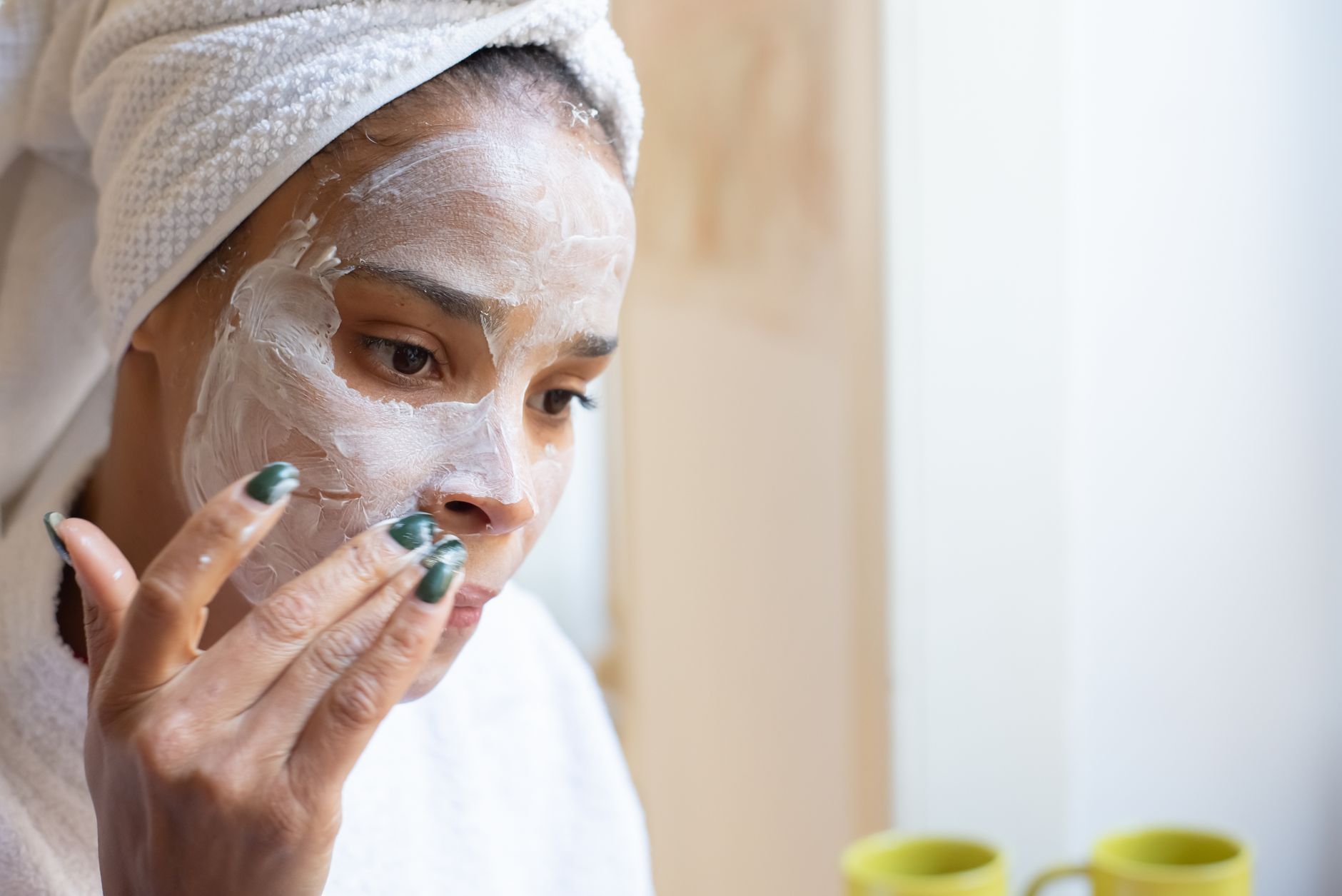
Whey protein has gained immense popularity in the fitness community as a convenient source of protein for muscle recovery and growth. However, among its numerous benefits, there have been concerns about its potential impact on skin health, particularly in relation to acne. In this article, we delve into the relationship between whey protein and acne, examining the evidence, symptoms, and how you can adapt your skincare routine to maintain a clear complexion.
The question of whether whey protein causes acne is multifaceted, with factors such as individual skin types, dietary choices, and hormonal fluctuations at play. By exploring scientific studies and expert opinions, we aim to provide you with a well-rounded understanding of this topic. Let’s unravel the connection between whey protein and acne.
Does Whey Protein Cause Acne?
Whey protein can contribute to the development of acne in certain individuals, but it’s not a universal cause. Some studies suggest that the growth factors and hormones present in whey protein may exacerbate acne for some people, while others may consume it without any adverse skin reactions.
Understanding Acne: A Brief Overview
Before delving deeper into whey protein, it’s essential to understand what acne is and how it develops. Acne occurs when hair follicles become clogged with oil, dead skin cells, and bacteria, leading to various forms like pimples, blackheads, and cysts. Here are some contributing factors to watch out for:
- Hormonal Imbalances: Androgens, or male hormones present in both men and women, can increase oil production, leading to breakouts.
- Dietary Choices: Consuming a diet high in sugars and dairy can lead to increased insulin levels, which may trigger acne.
- Skin Type: Oily skin is more prone to acne, while dry skin can also lead to blemishes if there’s excessive buildup of dead skin cells.
How Whey Protein Works
Whey protein is derived from milk during the cheese-making process and is known for its high biological value, which means the body absorbs it efficiently. It’s rich in branched-chain amino acids (BCAAs) which promote muscle growth and recovery. However, there are concerns about its potential side effects, especially regarding skin health.
Whey Protein Composition
The primary components of whey protein are:
- Protein: A high concentration of amino acids.
- Lactose: A sugar found in milk which may trigger acne in lactose-intolerant individuals.
- Growth Factors: IGF-1 (Insulin-like Growth Factor 1) is a hormone that can stimulate the production of sebum, the natural oil produced by skin glands.
The Link Between Whey Protein and Acne
Research on the connection between whey protein and acne is still ongoing, but some key studies and theories throw light on this relationship. Here’s a summary:
Hormonal Responses
Whey protein consumption can elevate insulin levels, leading to an increase in sebum production. Higher insulin levels stimulate the epidermal growth factor, which leads to increased skin oil production and, consequently, acne development.
Evidence from Scientific Studies
A study published in the Journal of the American Academy of Dermatology indicated a connection between certain dairy products, including whey protein, and acne prevalence among teenagers. However, further research is required to establish a definitive link.
Individual Variability
It’s vital to recognize that not everyone will have the same reaction to whey protein. Factors such as genetics, skin type, and overall diet play significant roles. Some people may consume whey protein without any adverse effects on their skin.
Signs of Whey Protein-Induced Acne
If you’re concerned that your whey protein intake might be contributing to acne, here are some signs to look out for:
- Increased breakouts within a week or two of starting whey protein.
- Acne flare-ups that appear in areas where whey protein is consumed more often, such as the jawline or neck.
- Development of cystic acne, which is typically deeper and more painful than regular acne.
Acne Management: Tips and Tricks
If you’ve been experiencing acne since incorporating whey protein into your diet, consider these management strategies to help maintain your skin’s health:
Adjust Your Whey Protein Intake
- Reduce Portions: Limiting your intake may help identify if whey protein is the root cause.
- Switch Protein Types: Try plant-based proteins such as pea or hemp protein that are less likely to trigger acne.
- Monitor Reactions: Keep a skin diary to track any changes in your skin based on your dietary changes.
Skincare Routine Adjustments
In addition to dietary adjustments, enhancing your skincare routine can help combat acne:
- Gentle Cleansing: Use a mild cleanser that doesn’t strip your skin but effectively removes excess oil.
- Exfoliate Regularly: Incorporate a gentle exfoliating product to remove dead skin cells that could lead to clogged pores.
- Hydration: Use a lightweight, oil-free moisturizer to keep your skin hydrated without adding excess oil.
- Treatment Products: Non-comedogenic products containing salicylic acid or benzoyl peroxide can help treat breakouts.
When to Consult a Professional
If you notice persistent acne despite dietary and skincare adjustments, consider consulting a dermatologist. They can help evaluate your skin condition and may suggest:
- Topical treatments such as retinoids to help clear clogged pores.
- Oral medications which might include antibiotics or hormonal treatments.
- Comprehensive skin analysis to tailor suitable products for your skin type.
Common Misconceptions Around Whey Protein and Acne
Misunderstandings about whey protein and its effects on the skin are prevalent. Here are some clarifications:
- Not All Dairy Causes Acne: While cow milk may contribute to acne in some, cheese and yogurt don’t have the same effect on everyone.
- Protein Isn’t the Only Culprit: Many factors, including stress and hormonal changes, contribute to the development of acne.
- Acne Can Happen Regardless of Diet: Some individuals may struggle with acne due to genetics or other skin conditions.
Choosing the Right Whey Protein
If you decide to continue using whey protein, make sure to choose your product wisely. Look for:
- Isolate vs. Concentrate: Whey protein isolate has reduced lactose levels compared to whey protein concentrate, potentially lowering the chances of breakouts.
- Minimal Additives: Choose brands that avoid artificial flavors, sweeteners, and fillers that could cause skin irritation.
- Check for Allergens: If you’re sensitive to certain ingredients, ensure your chosen product is free from allergens that can cause flare-ups.
Alternative Protein Sources
If you find that whey protein does not agree with your skin, consider exploring these alternatives:
- Plant-Based Proteins: Options such as soy, pea, hemp, and brown rice protein.
- Egg White Protein: A dairy-free option that’s also rich in protein and generally well-tolerated.
- Bone Broth Protein: Offers collagen, which can actually benefit skin health.
The Role of Overall Diet in Skin Health
Your overall diet can significantly affect your skin. Here are some dietary considerations to complement your acne management:
- Hydration: Drink plenty of water to keep your skin hydrated and help flush toxins.
- Omega-3 Fatty Acids: Found in fish, flax seeds, and walnuts, these can reduce inflammation.
- Limit Sugar and Refined Carbs: These can trigger insulin spikes, leading to increased oil production.
- Antioxidants: Foods rich in vitamins A, C, and E can help improve skin health.
Establishing a Skin-Friendly Routine
To combat acne effectively, it’s essential to create a skincare routine tailored to your skin type. Follow this simple morning and evening skincare routine:
Morning Routine
- Cleanser: Start with a gentle cleanser to remove excess oil and impurities.
- Toner: Use a hydrating toner that can prepare your skin for subsequent product absorption.
- Moisturizer: Apply a lightweight, non-comedogenic moisturizer suitable for your skin type.
- Sunscreen: Always apply a broad-spectrum sunscreen to protect your skin from UV damage.
Evening Routine
- Cleanser: Use the same gentle cleanser to remove any makeup and pollution from the day.
- Exfoliation: Use a gentle exfoliating product two to three times a week.
- Targeted Treatments: Apply products containing salicylic acid or benzoyl peroxide as needed.
- Moisturizer: Use a non-comedogenic moisturizer; nighttime is ideal for hydration.
In Conclusion
While whey protein may contribute to acne in some individuals, it’s essential to recognize that everyone’s skin reacts differently. Making dietary adjustments, tailoring your skincare routine, and consulting with a professional can help you manage any unwanted breakouts effectively. By taking a holistic approach to skincare and nutrition, you’ll be better equipped to achieve the glowing complexion you desire.
If you’re interested in learning more about tackling acne, check out our guide on how to get rid of acne fast and explore the details on whether creatine causes acne. Managing your skin’s health is an important part of your beauty routine!