
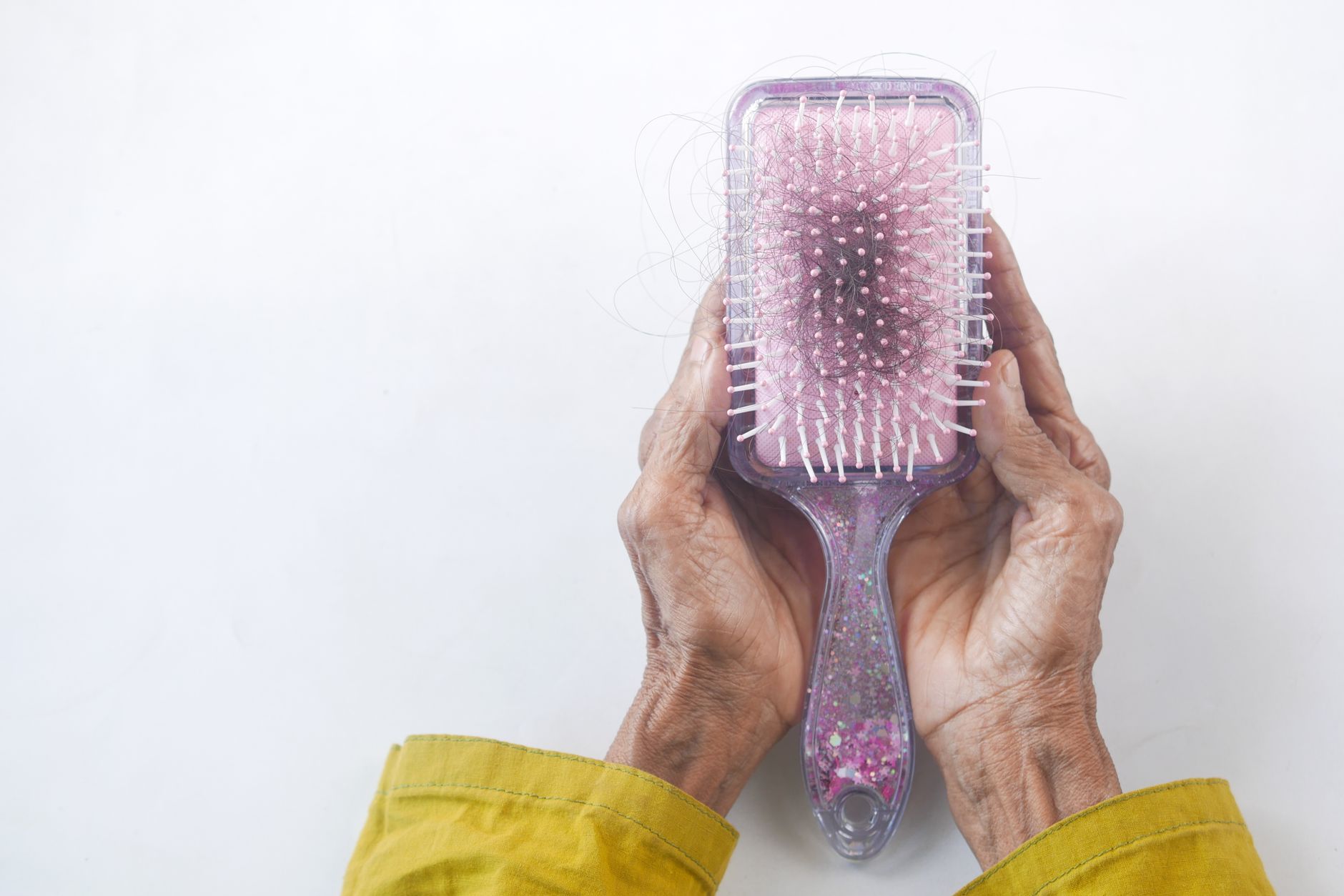
Postpartum hair loss is a common experience for many new mothers as the hormonal changes following childbirth can significantly affect hair density and health. Understanding when this type of hair loss begins and how long it lasts can help you better prepare for this natural phase. In this article, we will explore the timeline of postpartum hair loss and offer practical tips to manage it.
The process of postpartum hair loss can be surprising, as many women notice an increase in shedding around three to six months after giving birth. We will delve deeper into the timeline, possible causes, and how to care for your hair during this period to maintain its health and appearance.
When Does Postpartum Hair Loss Start?
Postpartum hair loss typically starts around three months after giving birth. This is when many women begin to notice an increase in hair shedding, which can last for several months. However, the extent and duration can vary from person to person, influenced by factors such as genetics, hormonal changes, and overall health.
Understanding the Causes of Postpartum Hair Loss
The primary cause of postpartum hair loss is hormonal fluctuations. During pregnancy, increased estrogen levels prolong the growth phase of hair, resulting in thicker, fuller locks. After childbirth, estrogen levels plummet, causing the hair to enter a shedding phase.
Several factors can contribute to the severity of postpartum hair loss:
- Genetics: Family history of hair loss may influence how much shedding occurs.
- Stress: The physical and emotional stresses of childbirth and caring for a newborn can trigger more extensive hair loss.
- Nutrition: Nutritional deficiencies such as low levels of iron or protein can impact hair health.
- Thyroid Function: Thyroid imbalances can exacerbate hair loss; it’s essential to monitor thyroid health postpartum.
Timeline of Postpartum Hair Loss
1 to 2 Months Postpartum
In the first two months after childbirth, most women experience minimal hair loss. The focus during this period is typically on recovery from delivery and adjusting to motherhood. During this time, some may notice that their hair appears slightly fuller due to hormonal changes.
3 to 6 Months Postpartum
This is the peak period for postpartum hair loss. You may begin to see more hair in your hairbrush or the shower drain. This shedding can last for several months, and some women may describe it as noticeable thinning. It’s essential to remember that this process is completely natural.
6 to 12 Months Postpartum
By six months postpartum, the shedding typically begins to decrease. Most women will find that their hair starts to return to its normal growth cycle by the nine to twelve-month mark. However, some may still experience thinning or changes in texture as they fully recover from the hormonal shifts.
How to Manage Postpartum Hair Loss
While postpartum hair loss is a natural process, there are various ways to manage it effectively and promote hair health:
Nourish Your Hair
Healthy hair growth relies on proper nutrition. Ensure you’re consuming a balanced diet rich in:
- Proteins: Hair is primarily made of a protein called keratin. Foods such as eggs, fish, beans, and nuts can support hair strength.
- Iron: Iron deficiency can weaken hair. Incorporate leafy greens, red meat, and legumes into your diet.
- Omega-3 Fatty Acids: Foods like salmon and walnuts help maintain scalp health.
Gentle Hair Care Practices
Adopting gentle hair care practices is crucial during this time. Consider these tips:
- Use a wide-tooth comb: This minimizes breakage and handles tangles more gently.
- Avoid heat styling: Limit the use of blow dryers, straighteners, and curling irons to reduce stress on your hair.
- Choose mild shampoos: Avoid harsh sulfates that can strip hair of its natural oils.
Scalp Care
Healthy hair starts with a healthy scalp. Here are some tips to take care of your scalp:
- Keep your scalp clean: Regular washing prevents product buildup but avoid over-washing.
- Massage your scalp: Regular scalp massages can improve circulation and promote hair health.
- Consider essential oils: Oils like rosemary and peppermint can stimulate hair follicles; however, always dilute with a carrier oil before application.
Hair Supplements
Some women look to hair supplements for additional support during this transition. Look for options that include:
- Biotin: Known to support hair health.
- Vitamin D: Plays a role in the hair growth cycle.
- Folic Acid: May help with the overall health of hair.
Before starting any supplements, it’s essential to talk to your healthcare provider to ensure they are appropriate for you, especially if you are breastfeeding.
Consider a New Hairstyle
A new haircut can help make thinning hair less noticeable. Talk to your stylist about styles that add volume or create the illusion of thicker hair. Consider these styles:
- Choppy Layers: Adds movement and volume.
- Bob Cuts: A shorter length can make hair appear fuller.
- Bouncy Waves: Soft waves create texture and volume.
When to Consult a Professional
While postpartum hair loss is typically not a cause for concern, there are times when it may be beneficial to seek professional advice:
- If you experience excessive hair loss or bald patches, it may indicate an underlying condition.
- Persistent hair loss beyond a year postpartum could benefit from consultation with a dermatologist or healthcare provider.
- If you notice any unusual scalp irritation or discomfort, professional advice is warranted.
Expectations During Postpartum Hair Loss
It’s natural to feel concerned about hair loss shortly after giving birth. While it can be frustrating, understanding what to expect can make the process easier.
As a guideline, many women will notice a return to normal hair health within 12 months postpartum. However, remember that every individual is different, and patience is critical during this transition.
Common Mistakes to Avoid
As you navigate postpartum hair loss, it’s easy to fall into some common traps. Be mindful of the following mistakes:
- Assuming all products will work: Not every treatment or product will suit your hair type and needs. Take time to find what works for you.
- Over-styling: Excessive use of hair products can lead to further damage during this sensitive time.
- Neglecting scalp health: Focusing solely on hair while neglecting the scalp can hinder growth and health.
Final Thoughts
Postpartum hair loss can be a challenging experience, but being informed and taking proactive steps can help mitigate concerns. By understanding the timeline and focusing on hair nourishment, gentle care, and appropriate styling, you can navigate this phase with confidence.
Remember that postpartum hair loss is a natural response to the incredible changes your body has undergone. With time and care, you can look forward to regaining the fullness and strength of your hair. If you ever feel overwhelmed, don’t hesitate to seek guidance from a professional.
To enhance your hair care routine during this time, consider exploring guides on essential oils for hair growth and how to make rosemary water for hair to add natural nourishment to your regimen. Taking informed steps can lead you to a healthier, happier hair journey.
For more in-depth beauty routines, tips, or product recommendations, feel free to check out related guides on our blog.