
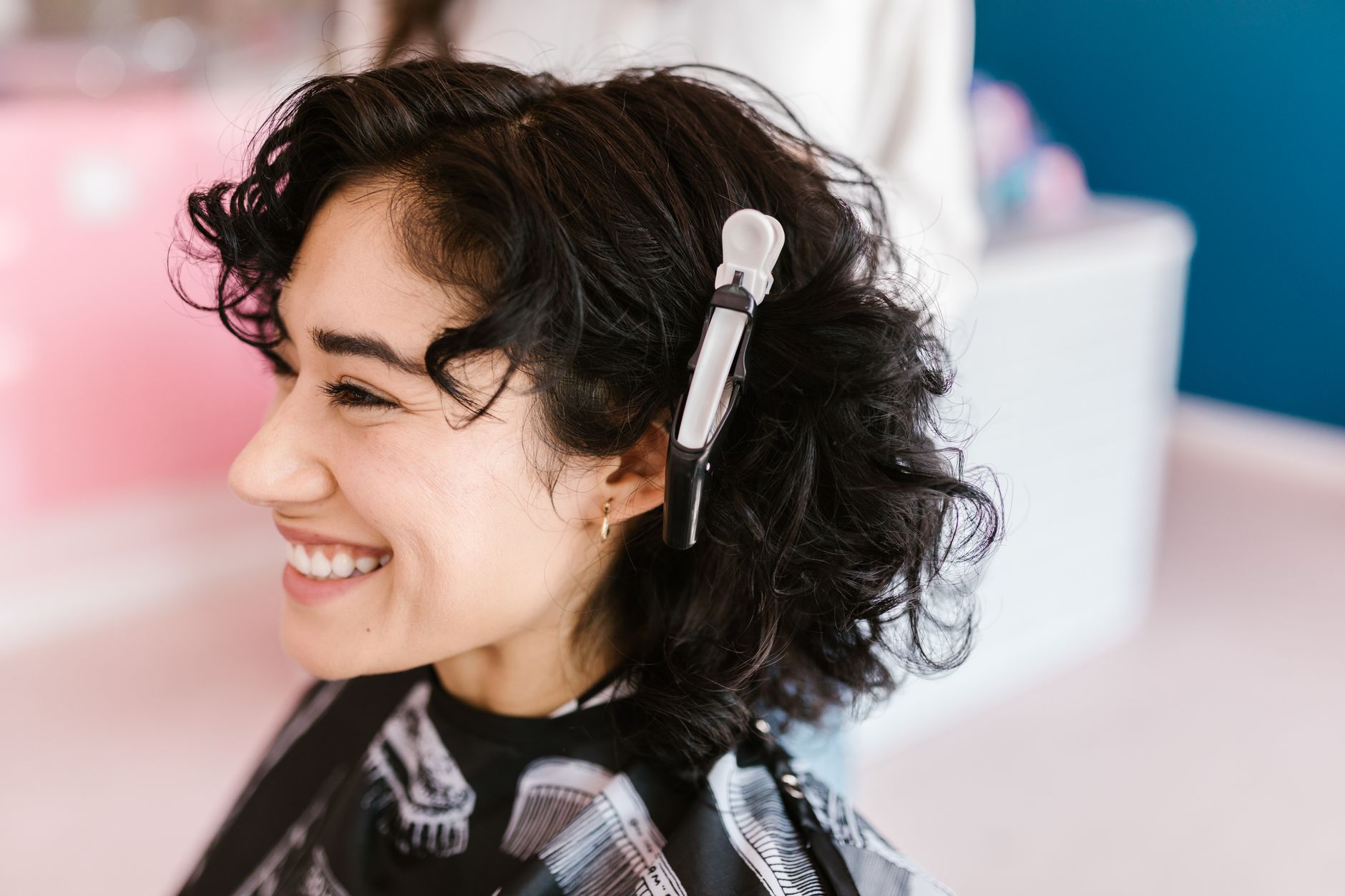
Curl training is a popular method among those with textured or curly hair, helping to enhance and define natural curls while promoting healthier hair. Understanding the principles of curl training can help anyone with curly hair achieve the look they desire. This article will explore what curl training involves, how to style your curls effectively, and tips for maintaining beautiful, bouncy waves.
As more people embrace their natural hair textures, the demand for curl training techniques has increased. Those with curly hair often face challenges such as frizz, dryness, and lack of definition. Curl training addresses these issues by teaching the hair to curl in a more uniform and defined manner, transforming an everyday hairstyle into an eye-catching feature.
What Is Curl Training?
Curl training is a technique used to enhance the natural curl pattern by using specific products and styling methods. The goal is to help your hair remember its natural curls and reduce frizz, leading to more defined and manageable curls over time. This method focuses on using moisturizing products and techniques that work in harmony with curly hair.
By incorporating curl training into your hair care routine, you can help your curls stay hydrated and healthy. This practice not only improves the overall appearance of your curls but can also enhance your confidence as you embrace your natural beauty.
Why Is Curl Training Important?
There are several reasons why curl training is vital for those with curly hair:
- Enhances Curl Definition: Curl training helps your hair learn how to curl properly, resulting in more defined and uniform curls.
- Reduces Frizz: By using the right products and techniques, curl training addresses frizz, allowing for smoother and more polished curls.
- Improves Hair Health: Focused on hydration and moisture, curl training promotes healthier hair, reducing breakage and dryness.
- Creates Manageable Styles: Over time, trained curls become easier to style, saving you time and effort during your daily hair routine.
How to Start Curl Training
To begin curl training, follow these essential steps to create a solid foundation for your curls:
- Assess Your Hair Type: Start by determining your curl type and porosity. Understanding your natural hair pattern and how it responds to moisture will help you select suitable products.
- Build a Wash Routine: Establish a regular wash routine using sulfate-free shampoos and rich conditioners to ensure your curls stay hydrated.
- Choose Curl-Specific Products: Invest in curl creams, gels, and leave-in conditioners designed for your hair type. Look for products with moisturizing ingredients like shea butter or coconut oil to help maintain moisture levels.
- Use the Right Techniques: Embrace techniques such as scrunching and diffusing when styling your hair to encourage curl formation.
- Give Your Hair Time: Understand that curl training is a gradual process. Give your hair time to adjust and learn its new routine.
Common Curl Training Techniques
Different techniques can help improve curling and styling your hair. Here are some common curl training methods:
The Curly Girl Method
The Curly Girl Method (CGM) is an approach created by Lorraine Massey that emphasizes natural curl care. The key principles are:
- Avoid sulfates, silicones, and heat styling
- Select hydrating, curl-enhancing products
- Embrace a gentle wash routine and promote conditioning
Plopping
Plopping is a technique used to dry your curls without causing frizz. Here’s how it works:
- After washing and conditioning your hair, apply your styling products on wet hair.
- Lay a cotton t-shirt or micro-fiber towel on a flat surface.
- Flip your head over and gently lower your curls onto the cloth.
- Wrap the t-shirt or towel around your curls and secure it.
- Leave it on for 15-30 minutes to help absorb excess moisture while your curls retain their shape.
Finger Coiling
Finger coiling is a technique to define individual curls. To coil your curls effectively:
- After applying a curl-defining product, take a small section of hair.
- Wrap the section around your finger gently, encouraging it to curl.
- Release, and repeat the process until you have finger coiled your entire head.
How to Style Trained Curls
Styling trained curls requires attention to detail and the right products. Here are steps to consider when styling your curls:
- Start with Clean, Damp Hair: Ensure your curls are clean and slightly damp. Excess moisture can dilute styling products.
- Apply a Leave-In Conditioner: Use a leave-in conditioner to provide hydration and base moisture before applying styling products.
- Select a Curl Cream or Gel: Depending on your desired hold and curl definition, use a cream for softer curls or gel for more hold.
- Section Your Hair: Divide your hair into manageable sections to ensure even product distribution.
- Scrunch or Smooth: Apply your styling products with either scrunching or smoothing, depending on your technique preference.
- Dry Your Hair: Opt for air-drying or use a diffuser for a faster option. If diffusing, keep the heat on low to reduce the risk of frizz.
- Separate Curls: Once dry, gently separate the curls using your fingers for added volume and definition.
Maintaining Your Curl Training
Curl training is an ongoing process. Here are some tips to keep your curls looking vibrant:
- Moisturize Regularly: Make sure to regularly hydrate your hair with deep conditioning treatments and leave-in conditioners.
- Adjust Your Routine: As your curls adapt, be open to tweaking your products and techniques as necessary.
- Avoid Heat: Limit the use of heat styling tools to preserve curl integrity and reduce damage.
- Protect Your Hair: At night, protect your curls by using silk or satin pillowcases, or consider pineappleing your hair to keep curls intact.
Common Mistakes to Avoid in Curl Training
Many people make mistakes when embarking on their curl training journey. Here are a few common pitfalls to avoid:
- Using Sulfates: Sulfate shampoos can strip hair of much-needed moisture, leading to dryness and frizz.
- Overusing Products: Using too many products can weigh curls down and diminish their natural bounce.
- Infrequent Trims: Regular trims help maintain the health of your curls by eliminating split ends and broken strands.
- Skipping Conditioning: Conditioning is essential to hydrate and protect your curls.
Product Recommendations for Curl Training
Choosing the right products is crucial to achieving the best results. Here are some categories to consider:
- Shampoo: Look for sulfate-free options that provide hydration without stripping moisture.
- Conditioner: Find a rich conditioner to detangle and infuse moisture into your curls.
- Leave-in Conditioner: This will help maintain moisture throughout the day.
- Curl Cream: Designed to offer curl definition and moisture without crunchiness.
- Hair Gel: For those who prefer hold, a lightweight gel can define curls while reducing frizz.
Frequently Asked Questions About Curl Training
Here are some common questions regarding curl training:
How Long Does Curl Training Take?
Results can vary based on hair type and consistency in following the routine. Most people notice improvements within a few weeks, but it may take several months for significant changes.
Can I Use Curl Training on Damaged Hair?
Yes, curl training can be beneficial for damaged hair. However, prioritize hydration and protein treatments to restore your hair’s health.
What If I Don’t Have Natural Curls?
Curl training techniques can still be utilized for wavy hair or even straight hair looking for texture. Modifying the techniques and products can help create a desired wave or curl effect.
Is Curl Training Suitable for All Hair Types?
While curl training primarily focuses on curly hair, it can be adapted for different hair textures, including thick, thin, wavy, or coily hair.
Final Thoughts on Curl Training
Curl training is an excellent way to embrace and enhance your natural curls. By following the right process, utilizing suitable products, and practicing consistently, you can achieve defined and beautiful curls. Remember that the key to successful curl training lies in understanding your unique hair type and adjusting your routine accordingly.
Start by gradually introducing curl training into your regimen, and be patient as your curls transform over time. With love, care, and the right techniques, your curls will become your crowning glory.
For more information on caring for curly hair, check out our guides on how to take care of curly hair and how to get silky hair.