
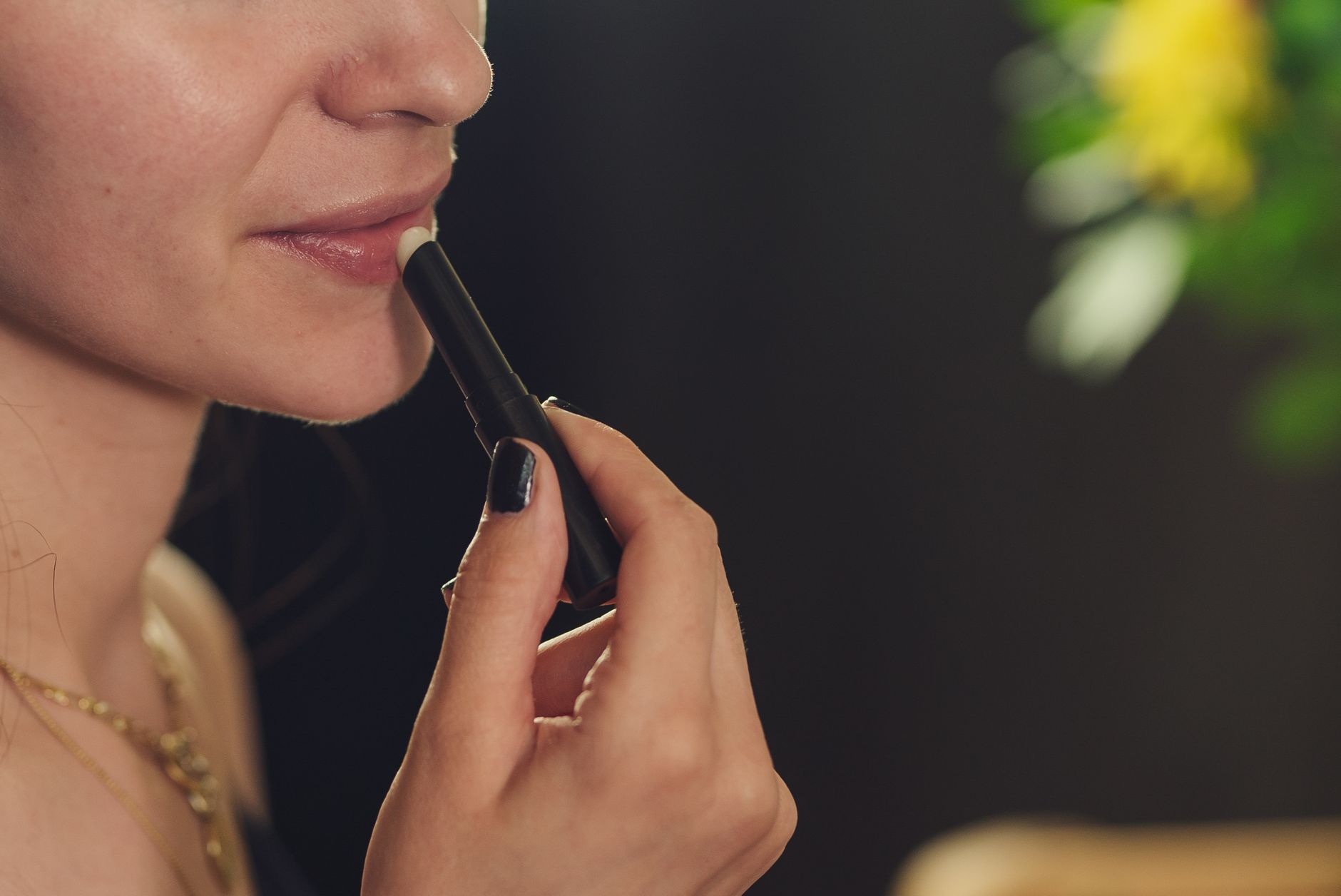
Chapped lips can be an incredibly common yet annoying beauty concern that many people experience year-round. From unsightly flakes to painful cracks, dry lips can make even the simplest tasks feel uncomfortable. Understanding the causes of chapped lips and how to treat them effectively is key to maintaining a healthy, soft pout.
This article explores the most common causes of chapped lips and provides you with practical solutions to keep your smile moisturized and looking its best.
Why Are My Lips Always Chapped?
Your lips may be chapped due to a variety of factors ranging from environmental influences to lifestyle choices. Identifying these causes will help you discover effective solutions to remedy this common issue.
Common Causes of Chapped Lips
1. Environmental Factors
The environment plays a significant role in lip health. Seasonal changes, especially during fall and winter, bring lower humidity levels that can dry out your skin.
Additionally, exposure to harsh weather conditions, such as wind, cold temperatures, and high altitudes, can strip moisture from your lips. Here are a few key environmental influences:
- Cold weather and wind
- Low humidity levels
- Sun exposure
- Indoor heating
2. Dehydration
Just as your skin suffers from dehydration, so do your lips. When your body lacks moisture, it can lead to dry and chapped lips. A common sign of dehydration is dry mouth, which may accompany lip chapping.
To combat dehydration, ensure that you drink sufficient water throughout the day. Aim for at least eight glasses, or more if you are active or in a hot climate.
3. Lip Licking and Biting
While it may be tempting, licking your lips can actually exacerbate dryness. Saliva evaporates quickly, resulting in even drier lips once it dries. Similarly, habitual biting or picking at the lips can create additional irritation.
To break this habit, try keeping your lips moisturized and identify the triggers that lead to this behavior.
4. Allergies and Skin Conditions
Allergic reactions can cause inflammation of the lips, leading to dryness and chapping. Common allergens may include:
- Certain food items (such as citrus or nuts)
- Cosmetic ingredients in lip products (like fragrances or dyes)
- Environmental allergens (such as pollen or dust)
Additionally, skin conditions like eczema or psoriasis can also present symptoms on the lips, resulting in chronic dryness and peeling. If you suspect an allergy or skin condition, consider consulting a healthcare professional.
5. Medication Side Effects
Certain medications can lead to dry mouth and, consequently, chapped lips. Some common culprits include:
- Retinoids (often used for acne treatment)
- Antidepressants
- Diuretics
If you believe your medications are causing issues with your lips, speak with your healthcare provider about potential alternatives or solutions.
6. Nutritional Deficiencies
Your diet can affect your skin and lip health significantly. Deficiencies in vitamins and minerals, particularly:
- Vitamin B2 (Riboflavin)
- Vitamin B3 (Niacin)
- Vitamin B6 (Pyridoxine)
- Iron
may lead to dry and cracked lips. Eating a balanced diet rich in fruits, vegetables, whole grains, and lean proteins can provide the nutrients your body needs to maintain healthy lips.
What to Do About Chapped Lips
Now that we’ve covered the common causes of chapped lips, let’s discuss effective strategies for prevention and treatment. A consistent lip care routine is essential to keep your lips soft and moisturized.
1. Keep Hydrated
The simplest and most important step in lip care is to stay hydrated. Drinking water regularly will help maintain moisture levels not only in your lips but throughout your body. Carry a water bottle with you to ensure you can sip throughout the day.
2. Use Lip Balm Regularly
Investing in a quality lip balm is essential for combating chapped lips. Look for products that contain nourishing ingredients such as:
- Beeswax
- Coconut oil
- Shea butter
- Vitamin E
- Hyaluronic acid
Apply lip balm several times a day to lock in moisture, especially before heading outside or going to bed.
3. Exfoliate Your Lips
Regularly exfoliating your lips can help remove dead skin cells and promote soft, smooth lips. You can gently exfoliate your lips using a sugar scrub or a soft toothbrush:
- Mix sugar with honey or coconut oil to create a natural scrub.
- Apply the mixture to your lips gently in a circular motion.
- Rinse off with warm water and pat dry.
- Follow up with your favorite lip balm.
4. Choose Lip Products Wisely
When selecting lip products, consider avoiding those that contain fragrances, alcohol, or irritating dyes that may contribute to dryness. Look for labels that mention “allergy-tested” or “hypoallergenic” to minimize the risk of irritation.
Also, consider using a tinted lip balm or a natural lip tint instead of traditional lipstick, which might be more drying. Natural oils or balms can deliver color while providing moisture.
5. Protect Your Lips from the Sun
Just like your skin, your lips need protection from harmful UV rays. Opt for a lip balm or lipstick with SPF to safeguard your lips during outdoor activities. Reapply regularly, especially after eating or drinking.
6. Maintain a Balanced Diet
Including a variety of fruits, vegetables, whole grains, and lean proteins in your diet can help prevent nutritional deficiencies. Furthermore, consider taking in foods high in healthy fats, such as avocados and nuts, to nourish your skin from within.
7. Avoid Harsh Ingredients
If you frequently experience chapped lips, check the labels of makeup and skincare products. Avoid ingredients such as:
- Menthol
- Camphor
- Fragrance
Switch to gentler formulations that still deliver lovely results without stripping your lips of moisture.
8. Overnight Treatments
Consider using overnight treatments for your lips. After applying a generous amount of lip balm, consider using a thin layer of petroleum jelly or mask designed for lips to lock in moisture as you sleep. This can significantly improve hydration levels.
9. Humidify Your Space
If you live in a dry climate or use heating systems during the summer, consider using a humidifier in your home to help maintain moisture in the air. This can relieve dryness not just for lips but for your skin as well.
Common Mistakes to Avoid
While caring for your lips, it’s important to steer clear of some common pitfalls that may worsen your chapped lips:
1. Ignoring the Symptoms
If you notice persistent chapped lips despite taking care of them, do not ignore the signs. This could indicate an underlying medical issue or allergic reaction that requires professional attention.
2. Skipping SPF Protection
Never skip sun protection for your lips, even in winter. Lips can suffer sunburn too, leading to dryness and damage.
3. Over-Exfoliating
While exfoliation can be beneficial, overdoing it may strip your lips of natural moisture. Aim for gentle exfoliation no more than once a week.
Signs of Irritation and When to Seek Help
Pay attention to how your lips respond to your care routine. If you notice signs of persistent irritation such as redness, swelling, or bleeding, it may indicate a more serious issue.
Additionally, consult a healthcare professional if:
- Your chapped lips continue despite consistent treatment efforts.
- You experience extreme discomfort or pain.
- You suspect an allergic reaction or if the condition spreads beyond your lips.
Final Thoughts on Lip Care
Chapped lips are not only bothersome but can also impact your overall confidence. By understanding the causes and incorporating a diligent lip care routine, you can maintain healthy, hydrated lips. Remember to stay hydrated, use quality lip products, and be gentle with your exfoliation.
If you’re struggling with chapped lips, prioritize your lip care and make necessary adjustments based on your unique lifestyle and environment. Soft, supple lips are achievable with the right knowledge and tools.
Explore more on related topics: learn about why your lips might be dry and find out if Vaseline is a good choice for your lips.