
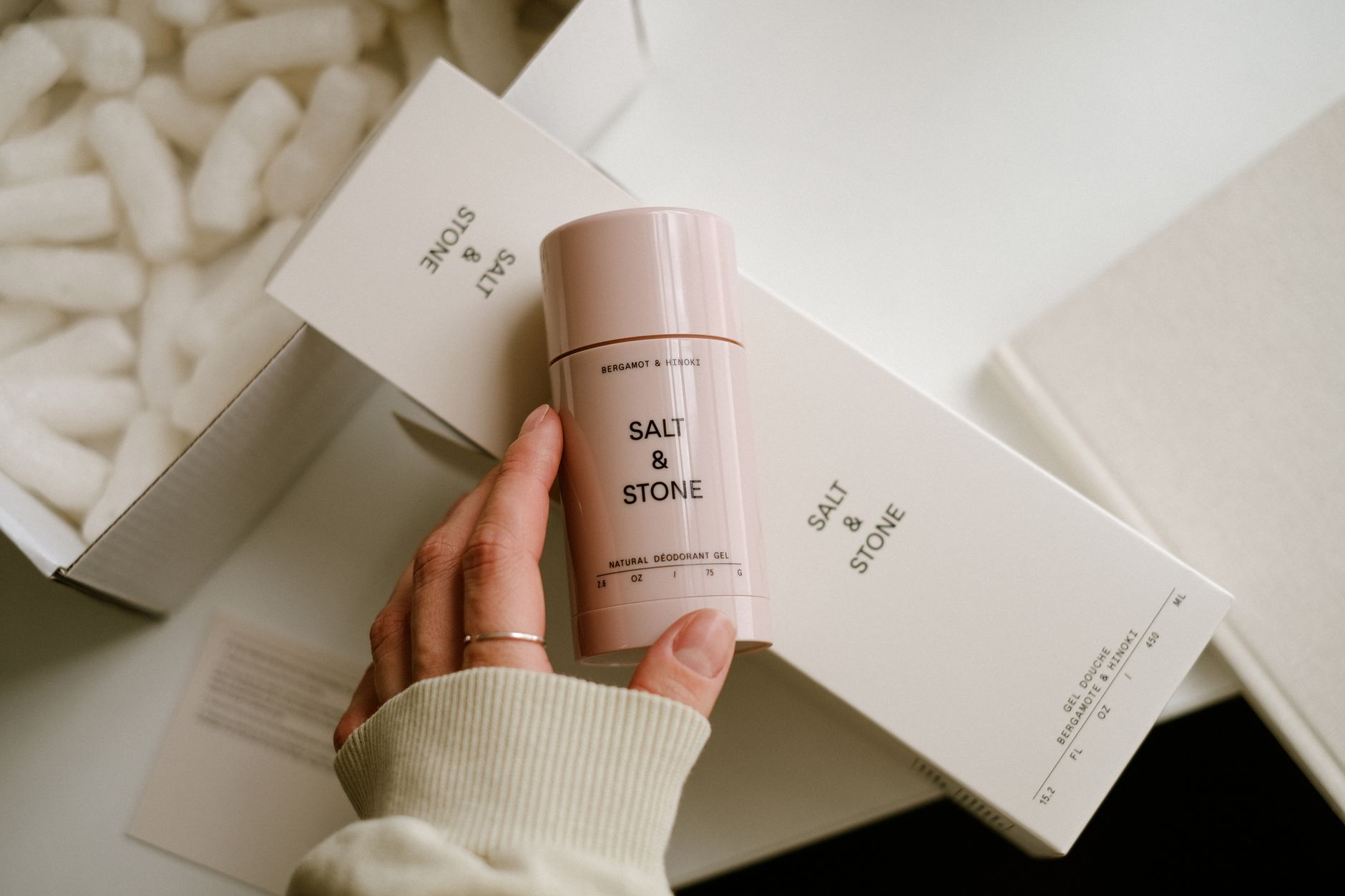
Deodorants are a staple in many people’s beauty routines, but there is ongoing debate about their safety and potential effects on health. As a key part of personal hygiene, understanding what deodorant does, its ingredients, and any potential risks can help you make informed choices. This article will explore if deodorant is bad for you by examining its ingredients, safety, and how it interacts with skin.
From natural alternatives to conventional formulations, the choices can be overwhelming. To simplify, let’s delve into the facts that will empower you as a consumer and guide you to select the right products for your lifestyle.
Is Deodorant Bad for You?
In general, deodorants are not considered bad for you when used as directed. However, some concerns arise with specific ingredients found in conventional deodorants and antiperspirants. The most pressing issues involve aluminum compounds, fragrances, parabens, and other potentially irritating substances. Understanding how these affect your skin and health can help you choose effectively.
Understanding Deodorants vs. Antiperspirants
Before diving into ingredients and safety, it’s important to differentiate between deodorants and antiperspirants. While both products aim to combat body odor, they work in distinct ways:
- Deodorants: These products primarily mask or neutralize body odor. They contain antimicrobial agents that reduce the bacteria on your skin, which is responsible for odor when sweat breaks down.
- Antiperspirants: In addition to reducing odor, these products aim to prevent sweating. They primarily contain aluminum-based compounds that temporarily block sweat glands.
Knowing the difference will help you understand which product is best for your needs. If you solely want to manage odor, a deodorant will suffice. If you’re looking to reduce perspiration, consider an antiperspirant.
Key Ingredients to Look For
The effectiveness and potential concerns related to deodorants largely stem from their ingredients. Below are some common components found in both deodorants and antiperspirants:
1. Aluminum Compounds
Aluminum compounds are the active ingredients in most antiperspirants. They work by forming a gel-like plug in sweat glands to reduce perspiration. While the FDA considers them safe, some studies have raised concerns about potential links to breast cancer and Alzheimer’s disease. Current research has not confirmed these claims definitively.
2. Parabens
Parabens are used as preservatives to extend the shelf life of products and prevent microbial growth. Though the FDA has deemed them safe in low concentrations, parabens can be absorbed through the skin, leading to concerns about hormonal disruptions. Natural alternatives often replace parabens, employing citrus oils or vitamin E instead.
3. Fragrances
Fragrances can enhance the sensory experience of deodorants; however, they can also pose risks for sensitive skin. Certain synthetic fragrances may lead to irritation or allergic reactions. Look for products labeled as fragrance-free if you have sensitivity issues.
4. Alcohol
Alcohol is commonly used in deodorants as an antibacterial agent and to help products dry quickly. However, it can also be drying or irritating for sensitive skin types. Those with dry or sensitive skin should consider alcohol-free options.
5. Natural Ingredients
In recent years, a rise in popularity of natural deodorants has occurred. Common ingredients in natural formulations include:
- Baking Soda: Helps neutralize odor but can irritate sensitive skin.
- Arrowroot Powder: Absorbs moisture without clogging pores.
- Essential Oils: Provide fragrance and antimicrobial properties.
Always check ingredient labels for any known allergens or irritants, especially if you have a history of skin sensitivity or allergies.
Potential Risks and Safety Concerns
Understanding the potential risks associated with certain ingredients can help inform your deodorant choices. Though most deodorants pose little risk, some people may experience reactions based on their unique skin types or sensitivities.
Skin Reactions
Individuals with sensitive skin may experience irritation from the following:
- Alcohol
- Fragrance
- Aluminum compounds
- Baking soda (in natural options)
If you notice redness, burning, itching, or a rash after using a deodorant, discontinue use immediately. It is advisable to patch-test new products before applying them more liberally.
Environmental Impact
The debate around deodorant also includes environmental concerns, particularly regarding packaging waste and the presence of certain chemicals. Brands focused on sustainability often use eco-friendly packaging and natural ingredients, allowing consumers to make choices that align with both their health and environmental values.
How to Choose the Right Deodorant
With so many options available, choosing the right deodorant can seem daunting. However, considering the following factors can help narrow your choices:
1. Know Your Skin Type
Understanding your skin type is critical to finding an appropriate deodorant:
- Dry Skin: Look for cream-based or moisturizing deodorants, preferably without alcohol.
- Oily or Combination Skin: Lightweight gels or sprays may work best, as they dry quickly.
- Sensitive Skin: Seek out hypoallergenic, fragrance-free, and alcohol-free options.
2. Consider Your Lifestyle
Your daily activities may influence your deodorant needs. If you lead an active lifestyle, stronger antiperspirants may be beneficial. Conversely, if you prefer natural products, consider natural deodorants that use alternative ingredients for odor control.
3. Read Reviews and Ingredient Labels
Check product reviews and ingredient lists before making a purchase. Look for products free from known irritants or allergens. Additionally, brands that offer transparent labeling allow consumers to feel more confident in their choices.
4. Try Different Formulations
Everyone’s body chemistry is different, which means product performance may vary from one person to another. If one formula doesn’t work for you, don’t hesitate to experiment with different types or brands to find the best fit.
Natural Deodorants: Are They Safer?
With rising concerns over conventional deodorants, natural options have gained traction. Many of these products avoid synthetic chemicals and depend on ingredients like baking soda, essential oils, and plant-based powders. However, they may not be suitable for everyone.
Here’s what to keep in mind when choosing natural deodorants:
- Effectiveness: Some natural deodorants may not prevent sweating, as they do not contain antiperspirant ingredients. They are primarily designed to mask odor instead.
- Irritation Risk: Natural ingredients like baking soda can irritate sensitive skin. Testing different formulations may be necessary to find one that works for you.
- Customization: Many brands allow you to tailor scent and ingredients to your liking, providing a more personalized deodorant experience.
Do Deodorants Expire?
Yes, deodorants can expire. Although they may not go “bad” in a way that is harmful, their effectiveness can diminish over time. Most deodorants have a shelf life of three years, but always check for an expiration date. If you’re unsure, a product that has changed in consistency, scent, or color should likely be discarded. For more on this topic, check out Does Deodorant Expire?.
Common Mistakes to Avoid
Even when trying to find the right deodorant, mistakes can happen. Here are some common pitfalls and how to avoid them:
- Applying on Irritated Skin: Avoid applying deodorant to freshly shaved or irritated skin, as it can worsen irritation.
- Choosing Scent Over Safety: Don’t pick a deodorant solely based on fragrance. Look for ingredients that are gentle on your skin.
- Skipping Patch Tests: Always conduct a patch test when trying a new product to gauge your skin’s reaction.
- Ignoring the Label: Take the time to read ingredient labels. A product labeled as “natural” doesn’t always mean it’s safe for everyone.
Signs of Irritation and When to Seek Help
If you experience unmanageable irritation or extreme discomfort while using any deodorant, consider discontinuing use. Signs of irritation may include redness, swelling, itching, or an overall burning sensation.
If these symptoms persist even after stopping the product, consult a dermatologist for proper advice and alternative recommendations.
Conclusion
Overall, deodorants are generally safe for most people when used as intended, but individual needs vary significantly. Understanding your body, skin type, and ingredient effects will empower you to make the best choice for yourself. It’s essential to try different formulas and be conscious of any skin reactions. As you navigate your options, you can feel confident about your deodorant choice.
For those exploring personal hygiene further, you may want to consider looking into why your armpits might smell or how to properly care for your beauty products. Each small step in hygiene and product selection can contribute to a better overall beauty routine.