
Do you ever find yourself wondering, “Why is my skin so oily?” While a radiant, dewy complexion can be desirable, excessive oiliness can lead to unwanted shine and breakouts. Understanding the causes of oily skin is crucial for developing an effective skincare routine to manage it. In this guide, we will explore the reasons your skin may feel oily, prevention methods, and practical care tips.
Oily skin occurs when the sebaceous glands produce excess sebum, leading to a shiny appearance and sometimes clogged pores. By identifying the causes, you can implement strategies to reduce the oiliness and maintain healthier skin. Let’s dive deeper into the factors that contribute to oily skin and how you can manage them effectively.
Why Is My Skin So Oily?
Oily skin can stem from various factors including genetics, hormonal changes, lifestyle choices, and environmental influences. To effectively manage it, it’s essential to understand the underlying causes. Here are some common reasons why your skin may be producing excess oil:
1. Genetics
Your genetic makeup plays a significant role in your skin type. If your parents or other family members have oily skin, you may be predisposed to the same condition. Genetic factors determine the size of your sebaceous glands and their activity level.
2. Hormonal Changes
Hormones significantly influence sebum production. Fluctuations during puberty, menstruation, pregnancy, or hormonal therapies can lead to increased oiliness. Androgens, in particular, stimulate sebaceous glands, resulting in an overproduction of oil.
3. Diet
Your diet can affect your skin’s oil production. A diet high in refined sugars, dairy, and unhealthy fats can lead to increased oiliness. Processed foods and carbohydrate-heavy meals may trigger inflammatory responses that influence sebum production.
4. Climate and Environment
Humidity and heat can make oily skin feel even greasier. In hot weather, the skin may compensate for sweat loss by producing more oil. Pollution can also contribute to skin issues by clogging pores and increasing sebum production.
5. Stress
High-stress levels can trigger hormonal changes that lead to increased oil production. When you’re stressed, your body releases cortisol, which can stimulate your sebaceous glands and result in oilier skin.
6. Incorrect Skincare Products
Using heavy, occlusive products that aren’t tailored to oily skin can exacerbate oiliness. Many individuals may mistakenly opt for products designed for dry skin, leading to an increase in excess oil and breakouts.
7. Over-Cleansing
Over-washing your face can strip away natural oils, prompting your skin to overcompensate by producing even more sebum. While it’s essential to cleanse your skin, moderation and selecting the right products are key.
8. Certain Medications
Some medications can increase oil production as a side effect. Check with a healthcare professional if you suspect a medication you’re taking could be contributing to oily skin.
Prevention: Tips to Manage Oily Skin
While oily skin can be challenging, there are several preventive measures and routines you can implement to manage excess oil. Consistency is crucial for seeing results.
1. Select the Right Cleanser
Choose a gentle foaming or gel-based cleanser that removes excess oil without over-drying your skin. Look for non-comedogenic products that won’t clog pores. Ingredients like salicylic acid can help in deep cleansing the pores and regulating oil production.
2. Use Toner
A toner can help remove any remaining impurities after cleansing. Opt for alcohol-free toners containing ingredients like witch hazel, tea tree oil, or rose water that help balance oil levels and refresh the skin.
3. Moisturize Daily
Even oily skin needs hydration. Select lightweight, oil-free moisturizers that provide hydration without adding excess oil. Gel-based moisturizers are often a great choice for oily skin types.
4. Incorporate Exfoliation
Regular exfoliation helps remove dead skin cells and prevent clogged pores, reducing oiliness. Aim to exfoliate 1-2 times a week with a gentle scrub or chemical exfoliants like AHAs or BHAs. Be careful not to over-exfoliate, as it can irritate the skin.
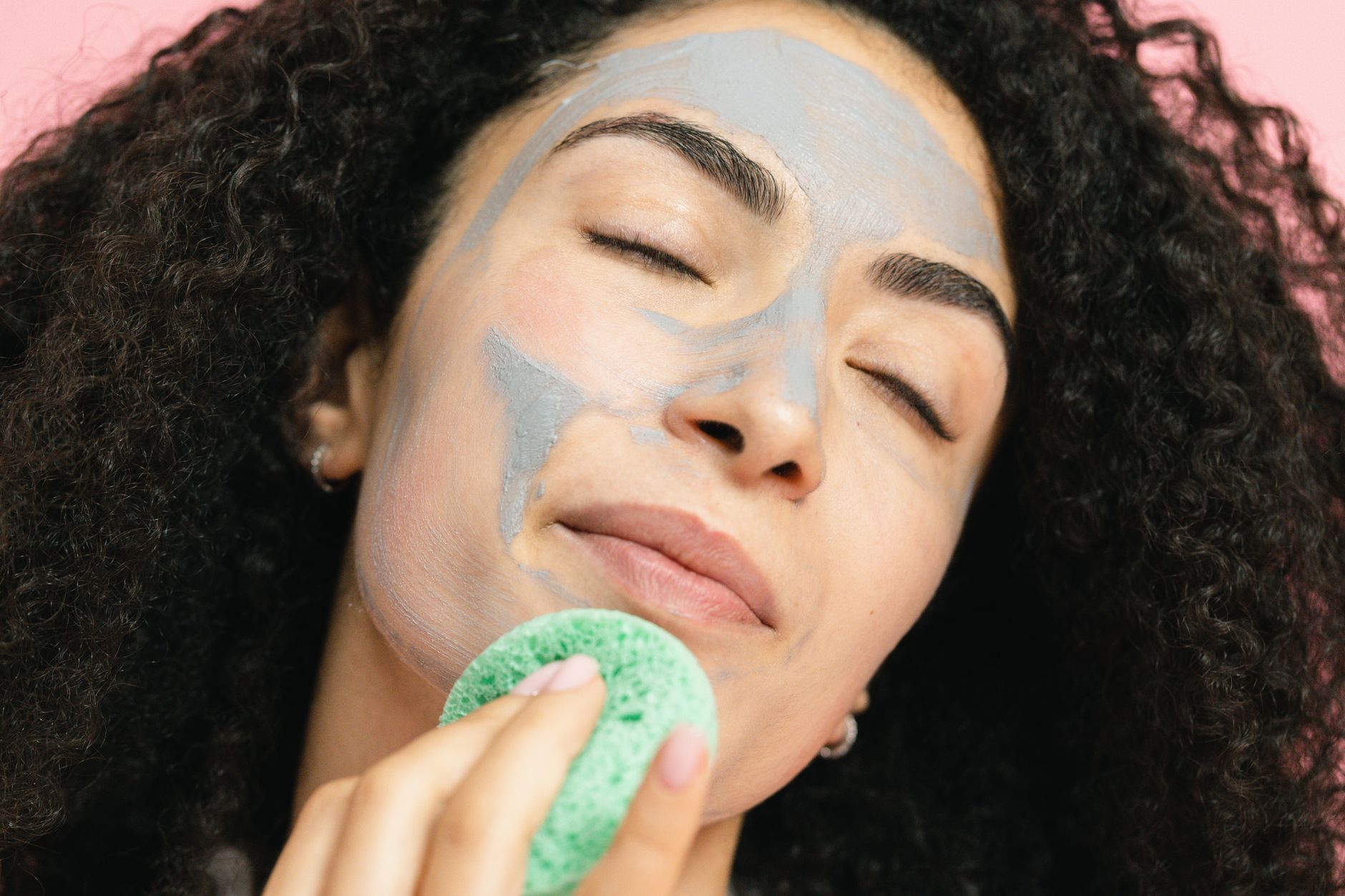
5. Use Clay Masks
Clay masks can absorb excess oil and draw out impurities from the skin. Consider incorporating them into your routine once a week for effective oil control without over-drying the skin.
6. Opt for Oil-Free Makeup
If you wear makeup, choose oil-free or matte-finish products. Avoid heavy foundations and instead go for lightweight options that allow your skin to breathe. Setting powders can also help control shine throughout the day.
7. Keep Hands Off Your Face
Touching your face can transfer oils and bacteria that may contribute to oiliness and breakouts. Make a conscious effort to avoid resting your hands on your face and to keep your skin clean.
8. Manage Stress
Implement stress-relief techniques like yoga, meditation, or exercise to help manage stress levels that can lead to increased oil production. Finding healthy coping mechanisms can positively impact your skin.
Skincare Routine for Oily Skin
Developing a structured skincare routine tailored for oily skin can help keep excess oil at bay. Here’s a simple step-by-step routine to follow:
Morning Routine
- Cleansing: Cleanse your face with a gentle foaming or gel-based cleanser.
- Toning: Apply a toner to help remove residual impurities.
- Moisturizing: Use a lightweight, oil-free moisturizer.
- Sun Protection: Apply an oil-free sunscreen with at least SPF 30.
Evening Routine
- Cleansing: Cleanse your skin to remove makeup, dirt, and excess oil.
- Exfoliation: Use a gentle exfoliant 1-2 times a week, preferably in the evening.
- Toning: Repeat the use of toner.
- Treatment: Apply targeted treatments that contain ingredients like salicylic acid or niacinamide to help control oil.
- Moisturizing: Finish with an oil-free moisturizer.
Common Mistakes to Avoid
While managing oily skin, it’s important to recognize common pitfalls that could hinder your efforts:
- Over-cleansing: Cleansing too frequently can backfire, prompting your skin to produce even more oil.
- Using Harsh Products: Avoid products with strong alcohol or fragrances, as they can irritate the skin.
- Skipping Moisturizer: Many with oily skin neglect hydration, but this can lead to increased oiliness.
- Inconsistent Routine: Sticking to your routine is essential for long-term results.
Ingredients to Look For
Choosing the right product ingredients can make a significant difference in managing oily skin. Here are some beneficial ingredients to look for:
- Salicylic Acid: An effective beta-hydroxy acid (BHA) that penetrates pores, helping to exfoliate and control oil production.
- Niacinamide: This form of vitamin B3 can reduce sebum production and improve skin texture.
- Tea Tree Oil: A natural antiseptic that can help reduce acne and calm inflammation.
- Witch Hazel: A natural astringent that helps absorb excess oil and tighten pores.
- Clay: Clay-based ingredients like bentonite help draw out impurities and excess oil.
Conclusion
Understanding why your skin is oily allows you to implement strategies for better care and management. With the right routine, products, and lifestyle adjustments, you can achieve a balanced complexion. Start small by introducing new practices gradually, and be patient as your skin adjusts. In the fight against oily skin, consistency truly is key.
If you’re looking for more ways to enhance your beauty routine, consider exploring guides on why your hair gets oily so fast or the benefits of salicylic acid in skincare. Both can complement your journey to clearer skin!