
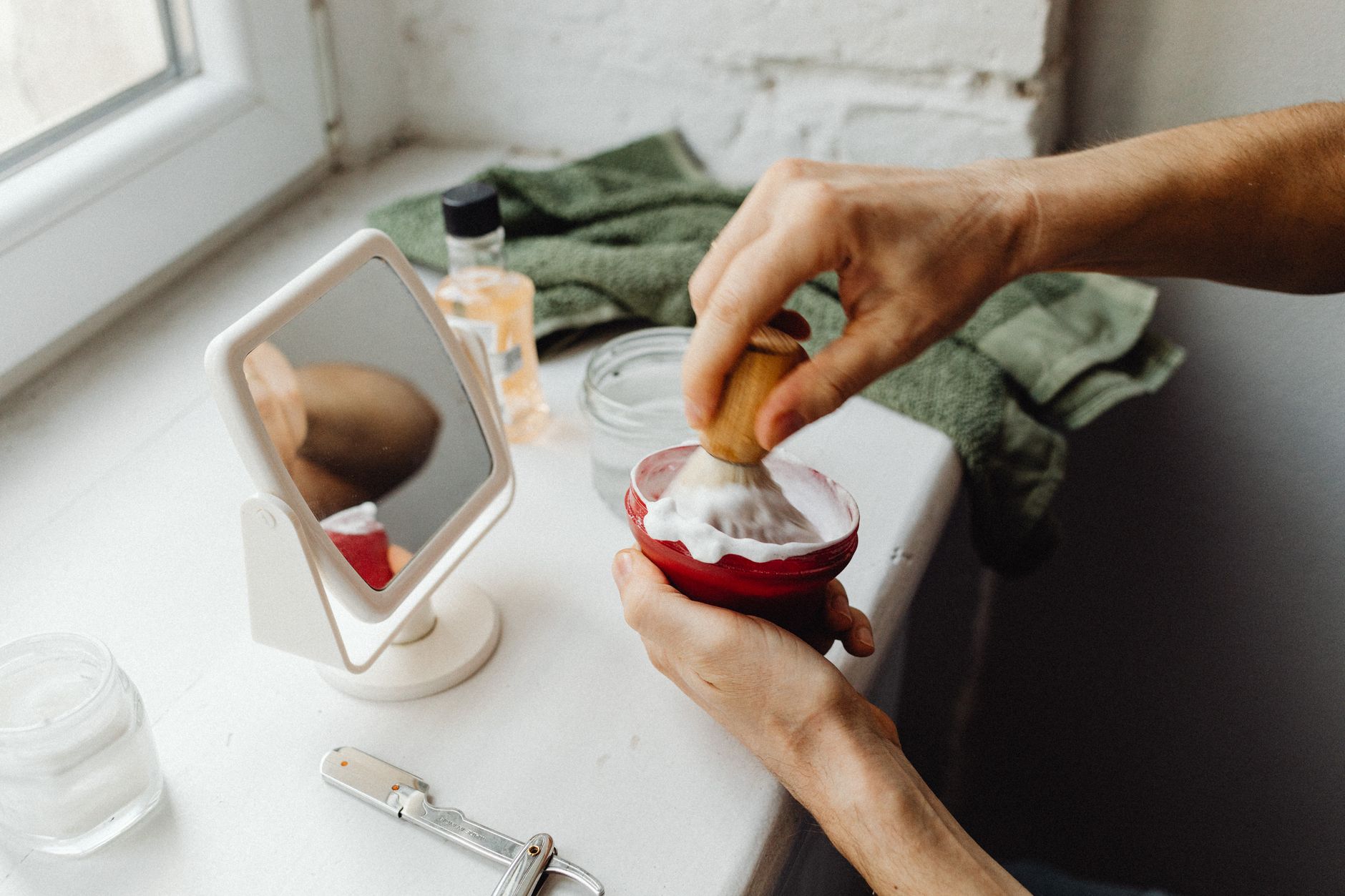
Razor bumps, also known as ingrown hairs, can be a frustrating consequence of shaving that affect both men and women. These bumps occur when hair curls back into the skin after shaving, leading to irritation and even inflammation. Understanding how to prevent razor bumps can make a significant difference in your grooming routine and overall skin health.
This guide will walk you through effective strategies and practical steps to minimize the risk of razor bumps, ensuring smoother skin and a more comfortable shaving experience.
How to Prevent Razor Bumps?
To prevent razor bumps, adopt practices such as preparing the skin before shaving, using the right tools, adopting proper shaving techniques, and implementing aftercare. Each step plays a crucial role in minimizing irritation and ensuring hair grows back smoothly.
Understanding Razor Bumps
Razor bumps develop when shaved hairs grow into the skin instead of outward. This can happen for a variety of reasons, such as the hair’s natural curliness, improper shaving technique, or using dull blades. While anyone can experience razor bumps, they’re more prevalent in those with curly or coarse hair.
Common Causes of Razor Bumps
- Improper Shaving Technique: Using incorrect angles or pressure can increase the likelihood of irritation.
- Dull Blades: Outdated or worn-out razor blades may not cut hair cleanly, leading to irritation.
- Dry Shaving: Shaving without the use of a suitable product can damage the skin’s surface.
- Skin Type: Individuals with sensitive skin may react more strongly to shaving methods, increasing the risk of bumps.
Step-by-Step Prevention Techniques
To effectively prevent razor bumps, follow this structured routine incorporating essential practices both before and after shaving.
Preparation before Shaving
- Exfoliate: Use a gentle exfoliator to remove dead skin cells. This step helps to clear the hair follicles and encourages hair to grow straight out instead of curling back in. Aim to exfoliate 2-3 times a week, especially before shaving.
- Hydrate Skin: Moisturize your skin before shaving, as hydrated skin is more pliable and less prone to irritation. Choose a lotion that suits your skin type.
- Warm Water: Shave after a warm shower or apply a warm towel to the area to soften the hair and skin. This can help open up hair follicles.
Choosing the Right Tools
- Razor Type: Opt for a single-blade razor or a safety razor. Multi-blade razors can lift hair and cut it below the skin surface, leading to bumps.
- Quality Blades: Always use a sharp blade. Dull blades require more pressure, increasing the risk of irritation.
- Shaving Cream or Gel: Use a moisturizing shaving cream or gel designed for your skin type. Look for products with natural ingredients that soothe the skin while providing a barrier against the razor.
Proper Shaving Technique
- Shave in the Direction of Hair Growth: Always shave in the same direction that your hair grows to minimize irritation.
- Avoiding Too Much Pressure: Let the razor do the work—avoid pressing too hard as this can cause the hair to bend and grow inwards.
- Rinse Often: Rinse the razor after every swipe to keep it clean and effective. This also prevents buildup of hair and shaving product.
- Limit Overlapping Strokes: Avoid going over the same area repeatedly as it can increase irritation.
Aftercare Post-Shaving
Taking care of your skin after shaving is crucial for preventing razor bumps.
- Rinse with Cool Water: After shaving, rinse the area with cool water. This helps to close the pores and reduce irritation.
- Apply Aftershave or Moisturizer: Use an alcohol-free aftershave or a soothing moisturizer. Look for ingredients like aloe vera or witch hazel to calm the skin.
- Avoid Tight Clothing: Tight clothing can rub against freshly shaved skin, exacerbating irritation. Wear loose-fitting clothes for a few hours post-shaving.
Additional Tips for Specific Areas
Different areas of the body may require tailored approaches to avoid razor bumps effectively.
Facial Hair
- Use a pre-shave oil to provide additional lubrication.
- Consider electric clippers for a less aggressive approach, which may help those with a high propensity for bumps.
Body Hair (Legs, Underarms, Bikini Area)
- For sensitive areas like the bikini line, use a dedicated bikini razor that is designed to minimize irritation.
- Always ensure the area is well-hydrated before shaving to prevent tugging.
When to Seek Professional Help
If you continue to experience severe razor bumps despite implementing these preventive measures, consider seeking advice from a dermatologist. They can recommend specialized treatments like topical creams or laser hair removal, which may be suitable for your skin type and hair growth pattern.
Common Mistakes to Avoid
- Shaving too frequently can overstimulate the skin and lead to increased irritation.
- Neglecting to change razor blades regularly can exacerbate issues.
- Skipping exfoliation before shaving may lead to clogged pores and increased hair growth problems.
Realistic Expectations
It’s essential to have realistic expectations regarding razor bumps. With consistent application of these techniques, you should notice improvements over time, but results may vary based on individual skin types and hair characteristics. Patience and diligence are key components to achieving smoother skin.
Incorporating Natural Remedies
In addition to the aforementioned techniques, some natural remedies can aid in soothing irritated skin after shaving:
- Tea Tree Oil: Known for its anti-inflammatory properties, tea tree oil can help prevent infection from ingrown hairs. Always dilute it with a carrier oil.
- Aloe Vera Gel: Aloe vera is known for its soothing properties, making it an excellent choice for post-shaving care.
- Apple Cider Vinegar: This natural antibacterial can help reduce inflammation when applied diluted to the affected area.
Conclusion
Preventing razor bumps involves a combination of proper technique, preparation, tool selection, and post-shaving care. By following these guidelines, you can greatly reduce the likelihood of razor bumps and enjoy smoother, healthier skin. If razor bumps continue to be an issue, consider consulting a dermatologist for personalized advice.
Explore our other guides for more beauty tips, such as how to treat razor burn or how to get rid of razor bumps on the pubic area overnight!