
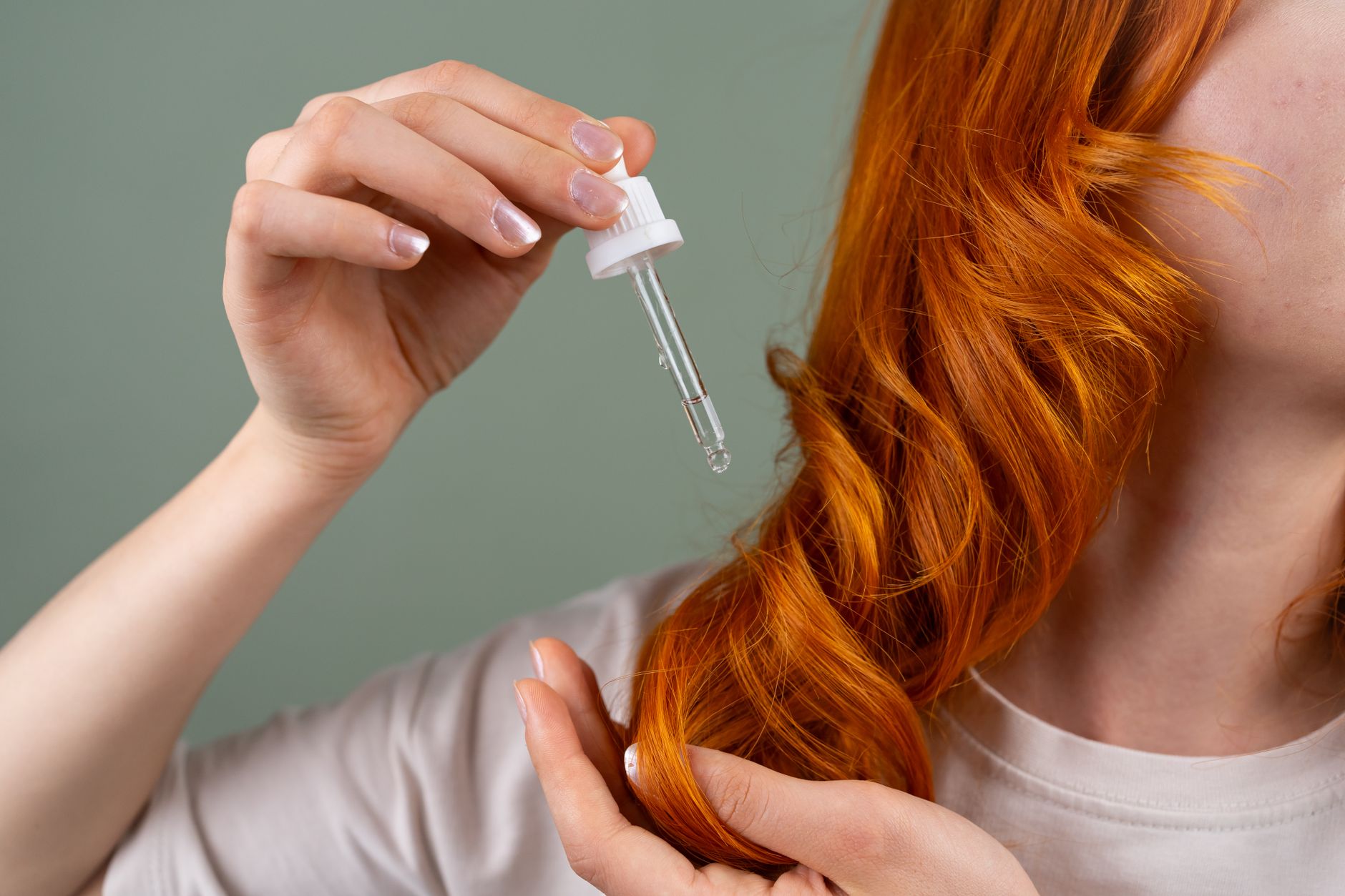
Castor oil, widely recognized for its benefits in hair care, can transform your tresses when used properly. Its rich composition—packed with essential fatty acids, particularly ricinoleic acid—nourishes the scalp, encourages healthy hair growth, and provides deep hydration. By understanding how to use castor oil effectively on your hair, you can harness its power for improved luster and strength.
In this article, we’ll delve into various methods for using castor oil on hair, discuss safety tips, and answer common questions to enhance your hair care regimen. Whether you’re looking to improve your scalp health, moisture levels, or overall hair vitality, castor oil can be a valuable addition to your routine.
How to Use Castor Oil on Hair?
To use castor oil on hair, you can apply it directly, mix it with other oils, or incorporate it into hair masks. The key is to ensure you are using the right method for your hair type and needs while following safety precautions to avoid any adverse reactions.
Understanding the Benefits of Castor Oil for Hair
Before jumping into the methods of application, it’s essential to recognize why castor oil is beneficial for hair. Here are some key advantages:
- Moisturization: Castor oil is a humectant, helping to attract moisture to the hair, making it softer and more manageable.
- Scalp Health: Its antimicrobial properties help soothe and maintain scalp health, potentially reducing dandruff and itchiness.
- Strengthening: The ricinoleic acid helps improve circulation to the scalp, promoting stronger and healthier hair growth.
- Split End Prevention: Regular application can help prevent split ends by providing intense hydration and nourishment to hair strands.
Methods for Applying Castor Oil on Hair
1. Direct Application
Applying castor oil directly to your hair is one of the simplest methods. Here are the steps:
- Preparation: Start with clean, damp hair. This helps the oil absorb better.
- Section Your Hair: Divide your hair into sections to ensure even application.
- Oil Application: Pour a small amount of castor oil into your palms, rub them together, and apply to each section, focusing on the scalp and ends.
- Massage: Use your fingertips to massage the oil into your scalp for a few minutes. This promotes blood circulation.
- Leave In: Allow the oil to sit for at least 30 minutes or overnight for better results.
- Wash Out: Shampoo your hair well to remove the oil completely. Follow with conditioner.
2. Castor Oil and Other Oils Blend
Mixing castor oil with other oils can enhance its benefits while making it easier to apply. Common oils to mix with castor oil include:
- Coconut Oil: Provides additional moisture and nourishment.
- Jojoba Oil: Mimics natural scalp oils, ideal for all hair types.
- Olive Oil: Rich in antioxidants and vitamins that promote hair health.
To create an oil blend:
- Combination Ratio: Mix equal parts of castor oil with your chosen carrier oil.
- Heat Slightly: Optional—warming the oil mixture can enhance absorption. Ensure it’s not too hot to avoid burns.
- Apply as Direct Method: Use the same application method as described above.
3. Castor Oil Hair Mask
A hair mask enriched with castor oil can provide additional nutrients. Here’s how to make one:
Ingredients Needed:
- 2 tablespoons castor oil
- 2 tablespoons honey (for hydration)
- 1 tablespoon coconut milk (for nourishment)
Instructions:
- Mix Ingredients: Combine all ingredients in a bowl until well mixed.
- Apply: Spread the mixture through clean, damp hair, focusing on the roots and ends.
- Cover Hair: Use a shower cap or towel to cover your hair. This helps retain warmth and moisture.
- Leave On: Allow the mask to sit for 30 minutes to 1 hour.
- Rinse: Wash out using mild shampoo and conditioner.
4. Overnight Treatment
For those looking for intensive care, an overnight treatment can be beneficial.
- Follow Direct Application Method: Apply castor oil following the direct application method.
- Protect Your Hair: Use a silk or satin scarf or pillowcase to reduce friction while you sleep.
- Morning Rinse: In the morning, wash your hair thoroughly with shampoo and follow with conditioner.
Safety Tips for Using Castor Oil on Hair
While castor oil is generally safe for most people, it’s important to follow certain guidelines to ensure a positive experience:
- Patch Test: Before using castor oil extensively, perform a patch test on a small area of your skin to check for any allergic reactions.
- Use Sparingly: Castor oil is thick and can weigh hair down. Use it in moderation to avoid greasiness.
- Avoid Scalp Abrasions: Do not apply if you have cuts or abrasions on your scalp.
- Wash Thoroughly: Ensure you thoroughly cleanse your hair after applying castor oil to avoid buildup.
- Pregnancy and Breastfeeding: Consult a healthcare provider if you are pregnant or breastfeeding before using castor oil on your hair.
Choosing the Right Type of Castor Oil
Not all castor oils are created equal. Here’s what to look for when selecting a castor oil:
- Cold-Pressed: Look for “cold-pressed” castor oil, which retains the oil’s beneficial properties better than refined oils.
- Organic: Choose organic castor oil to avoid pesticides and unnecessary chemicals.
- Hexane-Free: Make sure the oil is extracted without hexane, a solvent that may leave residues.
Common Misconceptions About Castor Oil
Several misconceptions exist around castor oil’s use on hair. Let’s clear a few:
- It Causes Hair Growth: While castor oil can improve scalp health and potentially lead to healthier hair, it does not directly stimulate hair growth or make hair grow faster.
- Too Thick for Fine Hair: While it’s true that castor oil is thick, it can be beneficial for all hair types when used appropriately, including fine hair when mixed with lighter oils.
- Only for Dry Hair: Although castor oil is excellent for moisturizing dry hair, it can also be beneficial for all types if balanced with other products.
Integrating Castor Oil into Your Hair Care Routine
To maximize the benefits of castor oil, consider the following:
- Frequency: Start with once a week application and adjust based on how your hair responds.
- Combine with Other Treatments: Combine castor oil treatments with regular trimming and a balanced diet for the best results.
- Maintain a Balanced Hair Care Regimen: Use gentle, sulfate-free shampoos and nourishing conditioners alongside castor oil to promote overall hair health.
Expected Results and Timeframe
While individual results may vary, with consistent use, you may start to notice improvements in hair texture and shine within four to six weeks. Patience is key, as hair growth and health improvements can take time. Keep in mind that factors such as hair type, diet, and overall health also play a significant role.
Conclusion
Using castor oil on hair can significantly enhance its health and appearance when done correctly. From direct application to hair masks, various methods can suit different preferences and hair types. Remember to follow safety precautions and integrate castor oil into a well-rounded hair care routine for the best outcomes. Consider trying castor oil in your next hair care session to nourish your locks and promote health.
If you’re eager to learn more about natural ingredients, explore how castor oil can provide a myriad of benefits in other areas of beauty, such as skincare in what is castor oil good for or tips on accelerating your hair growth in how to grow your hair faster.