
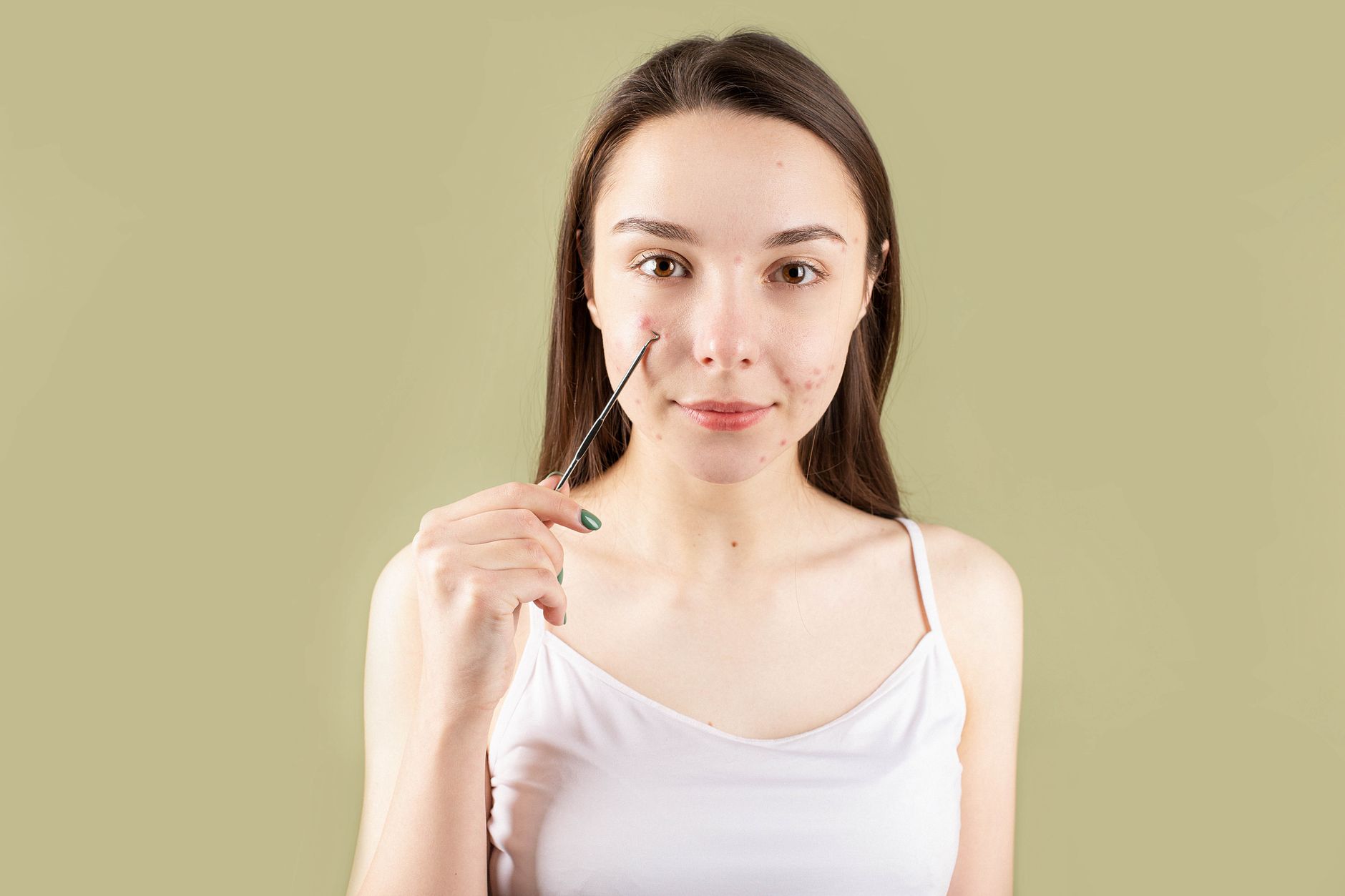
Dealing with breakouts on your forehead can be frustrating, especially when you don’t know the root causes behind them. Various factors contribute to acne and blemishes on the skin, particularly in the forehead area, where excess oil and clogged pores are common. Understanding these causes and learning how to manage them effectively can lead to clearer skin and increased confidence.
This guide will explore common reasons your forehead may be breaking out, practical tips to improve your skin, and a sample routine to help maintain balance and clarity in your complexion.
Why Is My Forehead Breaking Out?
There are several reasons why you might be experiencing breakouts on your forehead. From hormonal fluctuations and stress to diet changes and the use of certain hair and skincare products, it’s essential to identify the underlying causes to address them effectively. Common reasons include:
- Excess Oil Production
- Pore Clogging from Hair Products
- Hormonal Changes
- Diet and Hydration
- Stress and Lifestyle Factors
- Inadequate Skincare Routine
- Touching Your Face
- Maskne
Common Causes of Forehead Breakouts
Excess Oil Production
The forehead is one of the oilier areas of the face, often associated with the T-zone. If your skin produces excess oil, it can mix with dead skin cells and bacteria, leading to clogged pores and breakouts. Understanding your skin type—whether it is oily, combination, or normal—can help you choose appropriate products to balance oil levels.
Pore Clogging from Hair Products
Sometimes, the haircare products used can get on your forehead and cause acne. Ingredients in gels, pomades, and heavy conditioners can transfer to the skin, leading to breakouts. Always ensure that these products are applied carefully to avoid contact with the forehead.
Hormonal Changes
Hormones play a crucial role in skin health. Fluctuations during menstrual cycles, puberty, pregnancy, or stress can lead to increased oil production and breakouts. If you notice a pattern with your cycle, it may be worthwhile to track these changes.
Diet and Hydration
What you eat and your hydration levels can influence your skin’s health. Diets high in processed sugars and dairy products may worsen acne for some individuals. Staying adequately hydrated is also critical; when the body is dehydrated, the skin can compensate by producing more oil, leading to breakouts.
Stress and Lifestyle Factors
Stress can prompt the body to produce more hormones like cortisol, which has been linked to increased oil production and acne. Lifestyle factors—such as lack of sleep or poor hygiene—can exacerbate the problem by not allowing your skin the chance to repair itself.
Inadequate Skincare Routine
Your skincare routine is vital to acne management. If you’re not cleansing effectively or using heavy products unsuitable for your skin type, breakouts may occur. Evaluate your routine to ensure it addresses your forehead specifically.
Touching Your Face
It’s easy to instinctively touch your face, transferring oils and bacteria. This habit can significantly impact forehead breakouts. Make a conscious effort to avoid touching your face, especially with unwashed hands.
Maskne
Wearing face masks can cause friction and trap sweat and oil on your skin, leading to “maskne.” If you wear a mask frequently, ensure to remove any makeup and cleanse your forehead afterwards to avoid clogged pores.
Skincare Tips for a Clear Forehead
Improving your skincare routine can significantly reduce breakouts. Here are some practical tips to consider:
- Establish a Consistent Skincare Routine
- Choose the Right Products
- Exfoliate Regularly
- Keep Hair Products at Bay
- Stay Hydrated
- Manage Stress
- Avoid Heavy Makeup
- Use Non-Comedogenic Products
Establish a Consistent Skincare Routine
Creating a basic routine involving cleansing, toning, and moisturizing can set the foundation for clearer skin. Make sure to cleanse twice a day, especially after periods of wearing a mask or engaging in sweaty activities.
Choose the Right Products
Look for products formulated for acne-prone skin. Here are some ingredients to consider:
- Salicylic Acid
- Benzoyl Peroxide
- Niacinamide
- Tea Tree Oil
- Hyaluronic Acid
These ingredients can help manage oil production and keep pores clear. However, it’s crucial not to overwhelm your skin with too many active ingredients at once.
Exfoliate Regularly
Exfoliation removes dead skin cells that can clog pores. Both physical exfoliants (like scrubs) and chemical exfoliants (like AHA and BHA) are options. Aim to exfoliate 1-2 times a week, but adjust based on your skin’s tolerance.
Keep Hair Products at Bay
When styling your hair, avoid products that could seep onto your forehead. Use lightweight hair products and tie back hair when possible. Ensuring that your hair stays away from your face can help minimize breakouts.
Stay Hydrated
Drinking plenty of water can keep your skin hydrated and help flush out toxins that may contribute to breakouts. Aim for at least eight glasses of water a day and incorporate water-rich foods into your diet, such as fruits and vegetables.
Manage Stress
Finding ways to cope with stress can impact your skin positively. Consider mediation, yoga, or other relaxation techniques. Regular exercise can also help reduce stress levels, which in turn may improve your skin.
Avoid Heavy Makeup
While it might be tempting to cover breakouts with makeup, heavy products can worsen the situation. Opt for lightweight, non-comedogenic options while you’re addressing acne issues.
Use Non-Comedogenic Products
Using products labeled as “non-comedogenic” means they have been designed not to clog pores. This can be particularly helpful in managing acne-prone areas, including your forehead.
Creating an Effective Skincare Routine
Here’s a simple morning and evening routine that can help with forehead breakouts:
Morning Routine
- Cleansing: Use a gentle foaming cleanser to remove impurities and excess oil.
- Toning: Apply a toner to help balance your skin’s pH and reduce the appearance of pores.
- Serum: Incorporate a serum with vitamin C or niacinamide to brighten and even the skin tone.
- Moisturizing: Choose a lightweight, oil-free moisturizer.
- Sun Protection: Finish with a broad-spectrum sunscreen with at least SPF 30 to protect against UV damage.
Evening Routine
- Cleansing: Use the same gentle cleanser to wash away makeup and impurities.
- Exfoliation: Exfoliate 1-2 times a week, using a gentle scrub or a chemical exfoliant.
- Toning: Again, apply toner to refresh the skin.
- Treatment: Depending on skin tolerance, apply a treatment containing salicylic acid or benzoyl peroxide.
- Hydration: Apply a non-comedogenic moisturizer or overnight mask to keep skin hydrated.
Common Mistakes to Avoid
In addition to implementing effective practices, several common mistakes can lead to worsening breakouts:
- Over-exfoliating can strip your skin of its natural oils and trigger more oil production.
- Not cleansing your face after wearing a mask or sweating can lead to clogged pores.
- Ignoring expiry dates on skincare or makeup products can lead to skin irritation.
- Skipping sunscreen can cause damage and worsen existing breakouts.
- Using too many new products at once can make it difficult to pinpoint irritation causes.
When to Seek Professional Help
If breakouts persist despite following a skincare routine, consider consulting a dermatologist. They can provide personalized guidance and may recommend treatments such as prescription topical or oral medications, which may be beneficial in more serious cases.
Realistic Expectations
While adopting a targeted skincare routine can make a significant difference, it’s essential to have realistic expectations. Acne management takes time, and results may not be immediate. Consistency is key, and over time, you should see improvements in the condition of your forehead.
Conclusion
Understanding why your forehead may be breaking out is the first step in addressing the issue. By implementing a consistent skincare routine that includes proper cleansing, the right product selection, and lifestyle adjustments, you can help minimize breakouts and improve your skin’s overall health.
To further enhance your skincare journey, check out our guides on how to get rid of whiteheads and what salicylic acid can do for your skin. Understanding these aspects can aid in creating an effective routine tailored to your needs.