
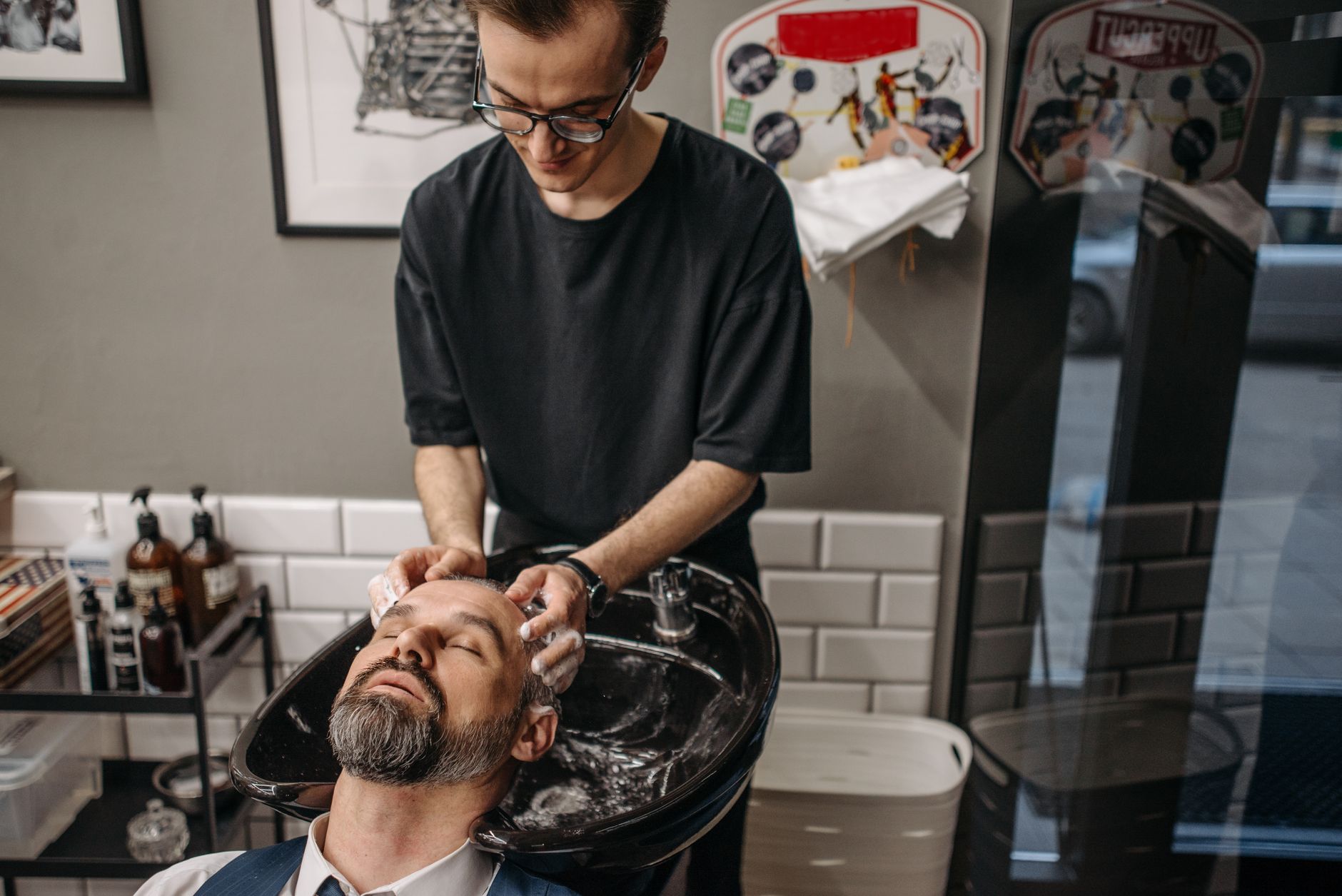
Determining the right frequency for shampooing your hair can be a challenge. The ideal shampooing schedule varies based on factors such as hair type, scalp condition, lifestyle, and styling practices. Whether you’re battling oiliness, dryness, or simply maintaining healthy locks, understanding how often to shampoo can improve your overall hair health.
This comprehensive guide will delve into various factors influencing how often you should shampoo your hair, provide tailored advice for different hair types, and help you build a routine that suits your lifestyle and hair needs.
How Often Should You Shampoo Your Hair?
The frequency of shampooing varies widely among individuals, but a general guideline is to shampoo your hair every 2 to 3 days. This keeps your scalp clean without stripping away natural oils. However, specific factors like hair type and lifestyle can significantly influence this recommendation.
Factors Affecting Shampoo Frequency
Understanding the unique qualities of your hair and scalp will help you establish the right shampooing schedule. Here are some key factors to consider:
- Hair Type: Straight, wavy, curly, and coily hair types all have unique needs when it comes to oil production and moisture retention.
- Scalp Condition: Oily, dry, or sensitive scalps require different care and shampooing frequencies.
- Lifestyle: Activities such as workouts, swimming, or exposure to pollution can necessitate more frequent washing.
- Hair Products: The use of styling products can affect how often you should cleanse your hair.
- Environmental Factors: Climate and seasons can influence how your hair behaves.
Hair Types and Recommended Shampooing Frequencies
Straight Hair
Straight hair tends to get oily more quickly than other types. If you have straight hair, aim to shampoo every 1 to 2 days. This helps maintain a balanced scalp by removing excess oil while keeping your hair looking fresh and clean.
Wavy Hair
Wavy hair can be slightly drier than straight hair due to its texture. Shampooing every 2 to 3 days is generally recommended. This frequency maintains moisture while preventing buildup from oils or styling products.
Curly Hair
Curly hair often requires more moisture and is generally drier. It is usually best to shampoo every 3 to 7 days, depending on the dryness of your scalp and the products you use. Opt for a sulfate-free shampoo to preserve natural oils.
Coily Hair
Coily hair is the driest hair type and often benefits from less frequent shampooing. Every 5 to 10 days is sufficient, allowing the scalp’s natural oils to moisturize the hair strands. Consider co-washing or using a cleansing conditioner to maintain scalp health without stripping moisture.
Scalp Conditions and Their Impact on Shampooing
Different scalp conditions require tailored shampooing approaches to maintain scalp health.
Oily Scalp
If you have an oily scalp, consider shampooing more often—every day or every other day. Look for shampoos formulated to cut grease without being too stripping, which can cause increased oil production.
Dry Scalp
In the case of a dry or flaky scalp, aim to wash less frequently, about every 3 to 5 days. Use moisturizing shampoos to nourish your scalp while preventing irritation.
Sensitive Scalp
A sensitive scalp requires special care with milder products that won’t irritate. Shampoo every 2 to 3 days with gentle, fragrance-free formulas.
Lifestyle Considerations
Your lifestyle is a significant factor in determining how often you should shampoo your hair. Consider the following:
- Exercise: Regular workouts that cause sweating may necessitate more frequent shampooing to keep your scalp clean.
- Swimming: Exposure to chlorine or saltwater can dry out hair, so a post-swim rinse and wash are advisable.
- Pollution: Living in a polluted environment may lead to more hair and scalp buildup, requiring more frequent washing.
Hair Products and Their Influence
The use of styling products, such as gels, sprays, or creams, can contribute to buildup on your hair and scalp. If you use heavy products, you may need to shampoo more frequently to avoid greasiness and residue.
Environmental Factors
Changes in climate or seasons can alter your hair’s needs. For example, during humid summer days, you may find your scalp producing more oil; thus, more frequent shampooing might be appropriate. Conversely, drier winter months might require you to shampoo less often to maintain moisture.
How to Establish a Personalized Shampooing Routine
To find your ideal shampooing frequency, follow these steps:
- Assess Your Hair and Scalp: Identify your hair type and scalp condition.
- Consider Your Lifestyle: Acknowledge your daily activities and environment.
- Experiment: Try different frequencies. Start with every 2-3 days and adjust based on how your hair and scalp feel.
- Monitor Your Hair’s Condition: Take note of how your hair responds to the routine. Adjust as needed.
Common Shampooing Mistakes
There are some missteps in hair washing routines that can hinder your efforts. Here are common mistakes to avoid:
- Using Too Much Product: Applying more shampoo than necessary can strip natural oils and lead to dryness. A quarter-sized amount is often sufficient.
- Not Rinsing Thoroughly: Leaving shampoo in the hair can lead to buildup, so ensure you rinse thoroughly.
- Over-washing or Under-washing: Too much washing can lead to dryness, while not enough can cause excess oil and greasy hair.
Signs You Should Change Your Shampoo Routine
Pay attention to changes in your hair or scalp as they can indicate that you need to adjust your washing frequency. Signs include:
- Increased oiliness or grease on the scalp
- Persistent dryness or flakiness
- Noticing buildup or residue from products
- Changes in texture or appearance
Tips for Healthy Shampooing Practices
Adopting proper shampooing practices can greatly benefit your hair health. Consider these tips:
- Use Lukewarm Water: Very hot water can strip hair of its natural oils, while cold water may not effectively cleanse.
- Focus on the Scalp: When shampooing, concentrate on massaging your scalp to stimulate blood flow.
- Follow Up with Conditioner: Always apply conditioner after shampooing to lock in moisture.
- Consider Transitioning Period: If you’re changing products or routines, give your hair a few weeks to adjust.
When to Consult a Professional
If you’re unsure about your hair care routine or experience unusual changes in your hair or scalp condition, it may be time to consult a haircare professional. A stylist or dermatologist can provide personalized recommendations based on your specific needs.
Wrapping Up Your Shampooing Journey
Finding the right shampooing schedule takes time and observation. By considering your hair type, scalp health, and lifestyle, you can establish a routine that enhances your hair’s health and appearance.
Remember, there’s no one-size-fits-all approach. Regularly reevaluate your shampooing frequency based on your evolving hair needs for radiant, healthy locks. Make sure to listen to your hair, and adjust your routine as necessary.
Explore related beauty guides, routines, or tutorials to enhance your beauty knowledge and practices, such as understanding how to get rid of dandruff or exploring the implications of dry shampoo on your hair.