
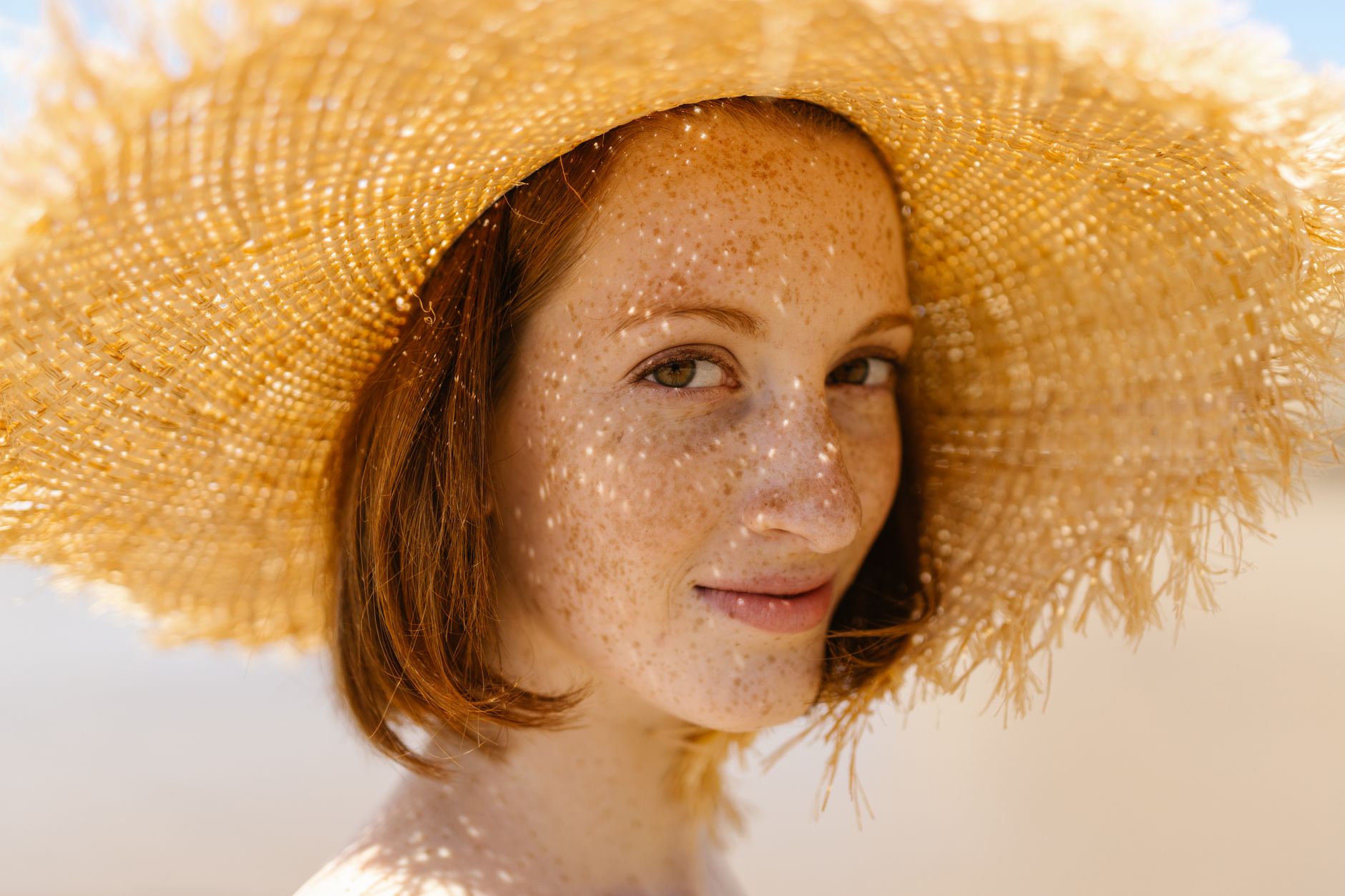
Freckles are small, often light brown or tan spots that typically form on sun-exposed skin. While they can be considered a charming feature by many, others may prefer to minimize their appearance. Understanding what freckles are, their causes, and the available treatment options can help you make informed decisions about your skincare routine.
In this article, we will explore the different types of freckles, their underlying causes, and various treatment options to help you achieve the look you desire. Whether you want to embrace your freckles or reduce their appearance, we’ve got you covered!
What Are Freckles?
Freckles are small, flat marks on the skin that are usually a few millimeters in diameter. Their color can range from light tan to dark brown, depending on skin tone and sun exposure. Freckles are primarily a result of increased melanin production, which is triggered by exposure to sunlight.
Though they’re commonly seen in individuals with lighter skin, freckles can appear on any skin type. They are most often found on the face, arms, shoulders, and other areas that receive direct sunlight.
Types of Freckles
Freckles can generally be categorized into two main types: ephelides and solar lentigines.
Ephelides
Ephelides, commonly referred to as “summer freckles,” are tiny, light-brown spots that appear on the skin after sun exposure. They usually intensify during the summertime and may fade in the winter months when sun exposure decreases. Ephelides are most commonly found on those with fair skin and are influenced by genetic factors.
Solar Lentigines
Solar lentigines, or “age spots” and “liver spots,” occur as a result of prolonged sun exposure over time. These spots tend to be larger and darker than ephelides and can appear on the skin regardless of age or skin type. While they are common in older adults, they can also occur in younger individuals who have spent significant time in the sun.
What Causes Freckles?
Several factors contribute to the development of freckles, including genetic predisposition and environmental factors.
Genetics
Your genetic background plays a crucial role in determining whether you will develop freckles. If you have parents or grandparents with freckles, you are more likely to develop them as well. This predisposition is mainly linked to variations in the MC1R gene, which affects melanin production.
Sun Exposure
One of the strongest triggers for freckle formation is sun exposure. When skin is exposed to ultraviolet (UV) rays from the sun, it produces more melanin to protect itself. In those with a genetic predisposition, this increased melanin can manifest as freckles. This is why individuals with lighter skin textures are more prone to freckles; their skin has less melanin, making freckles more visible when melanin production increases.
Hormonal Changes
Hormonal changes, such as those experienced during pregnancy or hormonal therapy, can also affect melanin production. These changes may result in an increase in the number of freckles or darkening of existing freckles.
Can Freckles Change Over Time?
Yes, freckles can change over time. They may darken with increased sun exposure or fade when sun exposure decreases. Additionally, new freckles may form as a result of further sun exposure during the warmer months. For some people, freckles can become less noticeable as they age, particularly if they take measures to protect their skin from the sun.
How to Embrace Freckles
If you love your freckles and want to embrace them, there are several ways to enhance their appearance:
- Minimize Makeup: Use light coverage foundation or tinted moisturizer to allow your freckles to shine through. A sheer, dewy finish can enhance your freckles.
- Add a Highlighter: Applying a subtle highlighter to the high points of your face can accentuate your natural beauty while keeping your freckles in the spotlight.
- Use the Right Skincare: Keep your skin healthy with hydrating moisturizers and serums to promote an even skin texture.
- Sun Protection: Embrace your freckles responsibly by using sunscreen to protect your skin from UV rays, preventing the formation of new freckles.
Treatment Options for Reducing Freckles
If you prefer to reduce the appearance of your freckles, several treatment options are available, ranging from topical treatments to professional procedures.
Topical Treatments
Several over-the-counter and prescription products can help lighten freckles or even skin tone:
- Hydroquinone: This topical bleaching agent can help lighten areas of hyperpigmentation, including freckles.
- Retinoids: Prescription-strength retinoids can promote cell turnover and help fade dark spots over time.
- Vitamin C Serums: Antioxidant-rich vitamin C can brighten the skin and even out skin tone, making freckles less noticeable.
- Chemical Exfoliants: Alpha-hydroxy acids (AHAs) and beta-hydroxy acids (BHAs) can help exfoliate the skin, leading to improved skin appearance and moderate lightening of freckles.
Professional Treatments
If you are looking for more immediate and pronounced results, professional dermatological treatments may be more suitable:
- Laser Therapy: Laser treatments, such as Q-switched lasers or fractional lasers, can target pigmented areas to reduce the appearance of freckles and other skin discolorations.
- Intense Pulsed Light (IPL): This treatment uses light energy to target dark spots and improve overall skin tone.
- Chemical Peels: A chemical peel can exfoliate the top layers of skin, promoting a more even skin tone and reducing the appearance of freckles over time.
- Microneedling: This procedure can stimulate collagen production and improve skin texture, which may result in a more uniform skin appearance.
Home Remedies
For those who prefer natural approaches, there’s a wealth of options to explore, though their effectiveness can vary and may not provide immediate results:
- Lemon Juice: The acidity of lemon juice may help lighten freckles. Apply it to affected areas, leave on for a short duration, and rinse. Always follow with sunscreen, as lemon juice can increase sensitivity to sunlight.
- Aloe Vera: Known for its soothing and healing properties, aloe vera is gentle on the skin and may help lighten pigmentation over time.
- Apple Cider Vinegar: This natural astringent can help balance skin tone. Dilute it with water and apply to freckles as a toner.
- Honey and Yogurt: This mixture can hydrate and nourish the skin. Regular application may help improve overall complexion.
Choosing the Right Sunscreen
Regardless of your choice to embrace or reduce freckles, sun protection is essential. Here’s how to select the right sunscreen:
- Broad Spectrum Protection: Choose a sunscreen that protects against both UVA and UVB rays.
- SPF 30 or Higher: Opt for a minimum SPF of 30 for adequate protection, especially for fair skin.
- Water-Resistant Formulas: If you’re planning to engage in activities that may cause sweating or water exposure, consider water-resistant sunscreen options.
- Reapplication: Remember to reapply every two hours, or more frequently if swimming or sweating.
Common Mistakes to Avoid
It’s easy to make mistakes in your quest for more even skin, so keep these tips in mind:
- Skipping Sunscreen: Not wearing sunscreen is one of the biggest mistakes you can make, as it can lead to further pigmentation.
- Over-Exfoliating: While exfoliation can help, overdoing it can result in irritation and worsen pigmentation.
- Expecting Immediate Results: Most treatments require time to show visible results, so patience is key.
- Not Patch Testing New Products: Always perform a patch test before trying a new skincare product to avoid irritation or allergic reactions.
Realistic Expectations for Treating Freckles
It’s important to understand that while treatments can help reduce the visibility of freckles, complete removal may not be achievable for everyone. Factors like skin type, genetic disposition, and treatment type will influence results. It’s also essential to maintain a consistent skincare regimen to see improvement.
Moreover, freckles are natural and can be embraced as unique features of your skin. Understanding their nature can help foster a more positive relationship with your skin.
Conclusion
Freckles can be a unique and beautiful aspect of your skin, or they may be a feature you wish to minimize. Understanding the different types of freckles, their causes, and the treatment options available empowers you to make informed decisions about your skincare routine. Whether you choose to embrace or reduce the appearance of freckles, make sun protection a priority for maintaining healthy, beautiful skin.
Ready to learn more about hyperpigmentation and acne scars? Explore our guides on what is hyperpigmentation and how to remove acne scars naturally!