
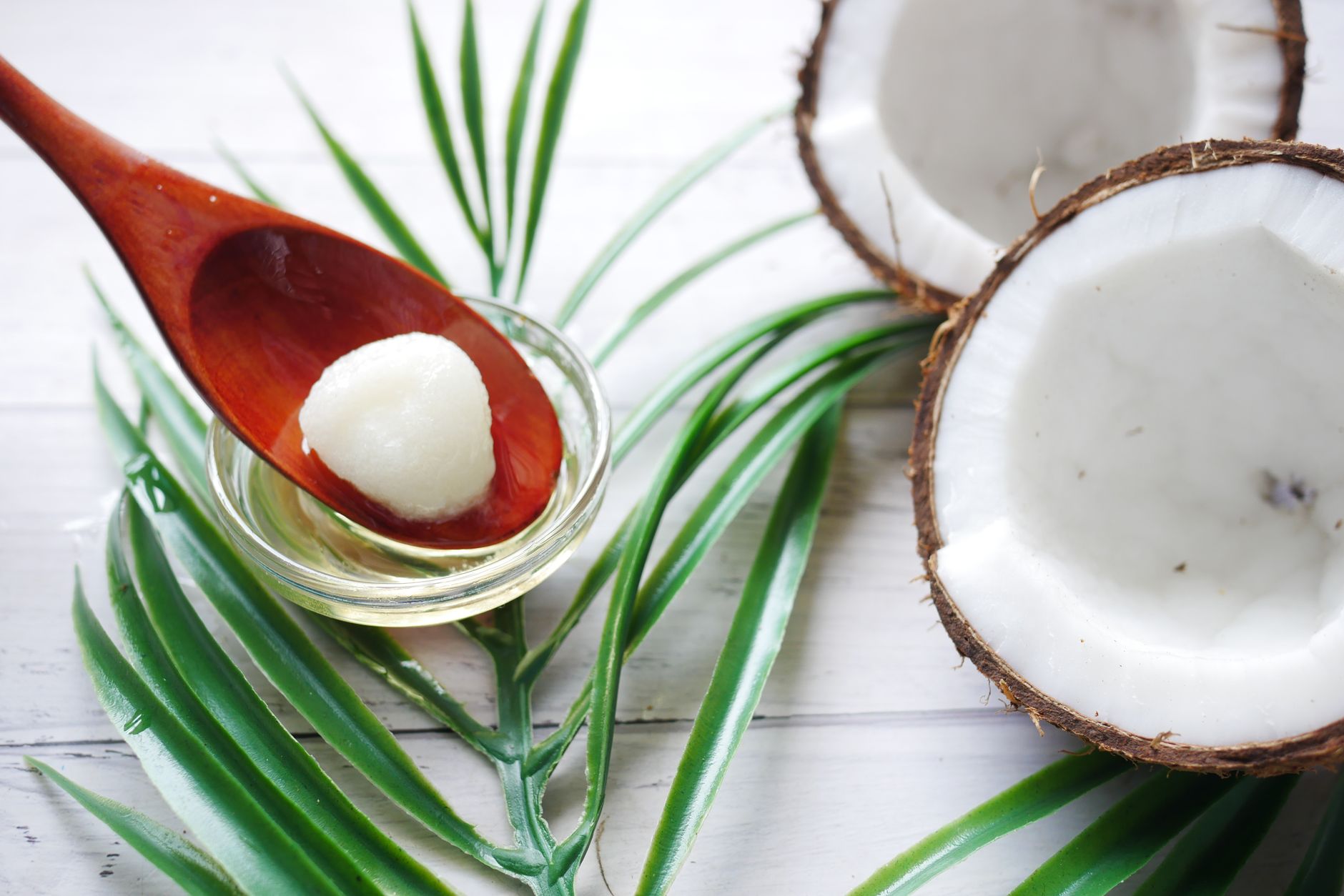
Coconut oil has become a ubiquitous name in haircare, hailed for its numerous benefits and natural properties. But is coconut oil truly good for hair? In this article, we will explore the advantages and disadvantages of using coconut oil on your hair, as well as provide practical tips on how to incorporate it into your haircare routine.
From moisturizing dry strands to promoting shine and improving scalp health, coconut oil boasts many benefits. However, it’s not without its drawbacks, as some hair types may not react positively to this ingredient. Let’s dive deeper into the science and practical applications of using coconut oil for hair.
Is Coconut Oil Good for Hair?
Yes, coconut oil can be beneficial for hair care due to its moisturizing properties, ability to reduce protein loss, and natural antifungal qualities. However, results may vary based on hair type, density, and individual needs.
Benefits of Coconut Oil for Hair
Coconut oil is packed with nutrients and properties that can make it an excellent addition to your haircare routine. Here are some of the primary benefits:
1. Moisturizes Dry Hair
Coconut oil is a natural emollient that penetrates the hair shaft and helps to retain moisture. This makes it beneficial for dry or damaged hair, providing hydration and preventing dryness.
2. Reduces Protein Loss
Coconut oil helps reduce protein loss when used as a pre-wash or post-wash treatment. This can be especially important for those with chemically treated or color-treated hair, where protein degradation is more common.
3. Enhances Shine and Luster
Applying coconut oil can add shine and a healthy glow to your hair. It can help smooth the hair cuticle, making strands look healthier and more vibrant.
4. Improves Scalp Health
The antifungal properties of coconut oil make it beneficial for treating dandruff and promoting a healthy scalp environment. It can soothe dryness and irritation on the scalp while reducing flakiness.
5. Prevents Damage from Heat and Styling
Using coconut oil as a pre-styling product can help protect hair from heat damage caused by tools like flat irons and curling wands. It acts as a barrier to minimize the impact of high temperatures.
6. Promotes Hair Growth
While coconut oil cannot guarantee drastic hair growth, it can create a healthy environment conducive to growth due to its nourishing properties. A healthy scalp and well-moisturized hair are essential for optimal growth.
Drawbacks of Coconut Oil for Hair
Despite the advantages, there are some drawbacks to using coconut oil that you should be aware of:
1. Not Suitable for All Hair Types
Some hair types, particularly fine or straight hair, may find coconut oil too heavy. This can lead to increased greasiness and limp hair. Individuals with oily scalps should use it sparingly.
2. Potential Build-up
Coconut oil can cause product build-up on the hair, particularly if not properly washed out afterward. This can result in hair that feels unclean or weighed down.
3. Allergic Reactions
Though rare, some individuals may experience allergic reactions to coconut oil. Always do a patch test before applying it extensively to your scalp or hair.
4. Can Be Difficult to Wash Out
Depending on your hair type, coconut oil may not wash out easily, requiring multiple washes to remove completely. This may lead to additional stress on the hair and scalp if done frequently.
How to Use Coconut Oil on Hair
Incorporating coconut oil into your haircare routine can be straightforward. Here are some effective methods:
1. Pre-Shampoo Treatment
- Take a small amount of coconut oil (about a tablespoon) and warm it slightly until it melts.
- Apply it evenly to dry hair, focusing on the ends.
- Leave it in for at least 30 minutes, or overnight for deeper conditioning.
- Shampoo and condition your hair as usual.
2. Deep Conditioning Mask
- Combine coconut oil with other nourishing ingredients like honey or avocado.
- Apply the mixture to damp hair and cover with a shower cap.
- Leave it in for 30 minutes to an hour.
- Rinse thoroughly and follow up with your regular shampoo and conditioner.
3. Leave-in Conditioner
- Use a very small amount of coconut oil (a pea-sized amount) after washing your hair.
- Rub the oil between your palms and apply it to the mid-lengths and ends of your hair.
- Avoid applying it to your scalp to prevent greasiness.
4. Scalp Treatment
- Warm coconut oil slightly and apply it directly to the scalp.
- Massage it in gently to soothe dryness while promoting circulation.
- Leave it in for 20-30 minutes and then wash it out.
Tips for Using Coconut Oil
To get the most out of coconut oil while minimizing potential drawbacks, consider the following tips:
- Choose virgin or extra virgin coconut oil for the highest quality and nutrient content.
- Start with smaller amounts to see how your hair reacts before adjusting based on your needs.
- Mix coconut oil with lighter oils (like argan or jojoba oil) for better absorption and less weight.
- Be sure to properly cleanse your hair after using coconut oil to prevent build-up.
- Store coconut oil in a cool, dry place to maintain its quality and prevent it from going rancid.
Additional Considerations
While coconut oil is widely celebrated for its benefits, it’s crucial to recognize that not all hair is created equal. Here are a few factors that may influence your results:
1. Hair Texture
The effectiveness of coconut oil can vary greatly with hair texture. Curly and coily hair often benefits from coconut oil due to its ability to retain moisture. In contrast, straight and fine hair types may find coconut oil overly heavy.
2. Hair Porosity
Hair porosity plays a significant role in how well oils penetrate the hair shaft. Low-porosity hair typically repels moisture, meaning it may not absorb coconut oil easily. High-porosity hair, however, can absorb coconut oil well, thereby enjoying its benefits.
3. Chemical Treatments
If you have color-treated or chemically straightened hair, coconut oil can help reduce protein loss and improve moisture retention. However, those with chemically treated hair should do a patch test to ensure compatibility.
Coconut Oil Alternatives
If you find that coconut oil does not suit your hair type, there are various alternatives you can consider:
- Argan Oil: Known for its lightweight texture, argan oil is ideal for adding shine and moisture without feeling greasy.
- Jojoba Oil: Similar to the natural oils in scalp skin, jojoba oil is excellent for balancing moisture levels without clogging pores.
- Olive Oil: A heavier oil that is excellent for deep conditioning and repairing dry hair, but should be used sparingly to avoid build-up.
- Sweet Almond Oil: A light oil that contains vitamins and can promote hair health, adding moisture without weighing hair down.
Conclusion
Coconut oil can be a valuable addition to your haircare routine, offering myriad benefits, especially for those with dry or damaged hair. However, it’s essential to consider your unique hair characteristics and needs. Start with small applications and adjust based on how your hair responds. If coconut oil proves to be too heavy or causes build-up, exploring lighter oils can provide similar nourishment without the drawbacks.
For more insights into hair oils and their uses, feel free to explore our guides on coconut oil’s effectiveness and using castor oil on hair. Your hair deserves the best, so take the time to discover what works for you!