
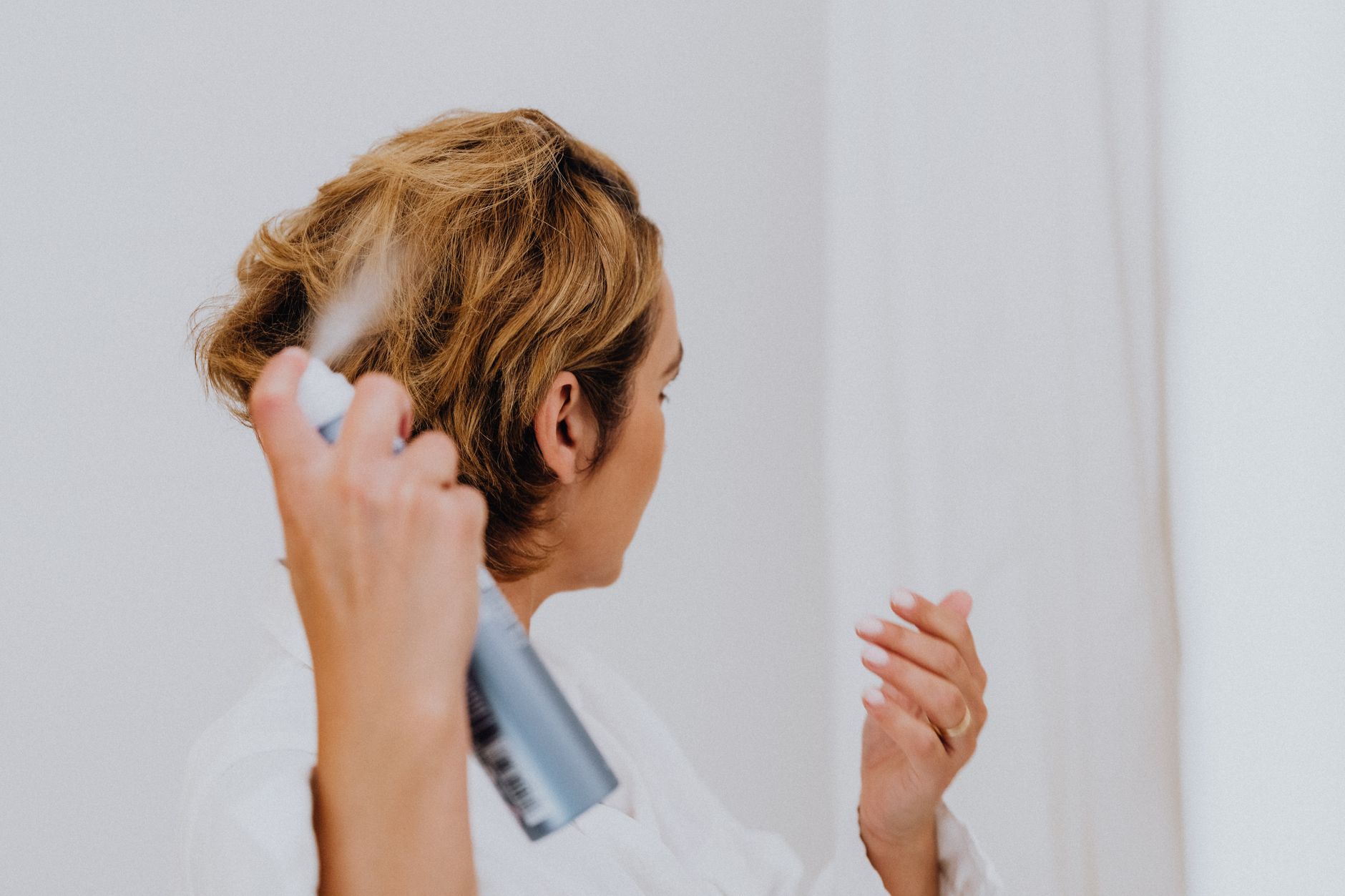
Hair breakage can be a frustrating and common issue for many individuals, leading to uneven lengths and a lack of shine. Fortunately, with a few simple steps and the right products, you can help maintain strong, healthy hair. Understanding the causes of hair breakage can empower you to take control and protect your locks.
This guide will explore effective methods to prevent hair breakage, focusing on daily routines, product selection, and essential tips that cater to various hair types. From cleansing to styling, we’ll cover everything you need to know.
How to Prevent Hair Breakage?
To prevent hair breakage, it’s essential to adopt a comprehensive hair care routine that includes proper cleansing, conditioning, and protection. By choosing suitable products, reducing heat exposure, and adopting gentle styling techniques, you can significantly improve your hair’s health and resilience.
Understanding Hair Breakage
Hair breakage occurs when the hair’s structure weakens and strands snap due to stress, damage, or improper care. Common causes include:
- Overprocessing with dyes, relaxers, or perms.
- Excessive heat styling with tools like blow dryers, straighteners, and curling irons.
- Mechanical damage from tight hairstyles or rough handling.
- Environmental factors such as sun exposure, pollution, and humidity.
- Insufficient moisture and dryness from over-washing or using harsh products.
Recognizing these factors can help you take targeted steps to protect your hair.
Daily Hair Care Routine
A consistent hair care routine is crucial for maintaining the strength and health of your hair. Here’s a simple yet effective routine to follow:
- Cleansing: Choose a sulfate-free shampoo that suits your hair type. Sulfates can strip natural oils, leading to dryness and breakage. Aim to wash your hair 1-3 times a week, depending on your hair’s oiliness and texture.
- Conditioning: Always follow shampoo with a conditioner to provide moisture and help detangle. Look for products with nourishing ingredients such as shea butter, argan oil, or keratin. Focus application on the mid-lengths to ends, avoiding the roots to prevent greasiness.
- Leave-In Treatments: After conditioning, apply a leave-in conditioner or moisturizer. This adds a protective layer and helps combat dryness throughout the day.
- Drying: Avoid vigorous towel drying; instead, gently pat your hair dry or use a microfiber towel which reduces friction. Let your hair air dry whenever possible, as this prevents heat damage.
- Protective Styles: Incorporate protective hairstyles, like braids or buns, which reduce exposure to environmental damage and minimize styling stress on your hair.
Choosing the Right Products
Product selection can have a significant impact on hair health. Here’s what to look for when preventing hair breakage:
Shampoos
- Opt for sulfate-free formulas that are gentle on the scalp and hair.
- Consider moisturizing shampoos for dry hair or strengthening shampoos for brittle hair.
- Look for shampoos containing proteins such as keratin, which can help rebuild weakened strands.
Conditioners
- Choose rich, creamy conditioners that hydrate and detangle.
- Consider deep conditioning treatments once a week to restore moisture levels.
- Products with natural oils such as jojoba, coconut, or olive can nourish the hair and reduce frizz.
Leave-In Conditioners and Treatments
- Look for leave-in conditioners that offer heat protection if you regularly use styling tools.
- Consider masks and oils with ingredients like argan oil or biotin, which promote strength and shine.
- Use protein treatments if your hair is damaged or breaking; follow package instructions carefully to avoid overuse.
Heat Protection and Heat Styling
Heat styling tools such as curling irons, straighteners, and blow dryers can exacerbate hair breakage. Here are tips to minimize heat damage:
- Use a Heat Protectant: Always apply a heat protectant spray or serum before styling to create a barrier against high temperatures.
- Lower the Temperature: Use tools at the lowest effective heat setting. Fine or damaged hair may only need a lower temperature.
- Limit Heat Styling: Reduce the frequency of styling sessions, opting for air-drying and natural hairstyles whenever possible.
- Invest in Quality Tools: High-quality styling tools that provide even heat can reduce thermal damage.
Detangling Techniques
Improper detangling can lead to breakage, particularly if your hair is wet. Here’s how to do it right:
- Use a Wide-Tooth Comb: Always detangle your hair with a wide-tooth comb, starting from the ends and gradually working your way up to the roots.
- Detangle on Damp Hair: Detangling while your hair is damp (not wet) can prevent unnecessary stress and possible breakage.
- Use a Detangler: Use a detangling spray to soften knots and make the process easier without pulling.
Mind Your Hair Accessories
Many hair accessories can contribute to hair breakage if not chosen carefully. Here’s what to consider:
- Avoid Tight Styles: Hairstyles that pull tight on the scalp, like tight ponytails, can lead to traction alopecia over time.
- Opt for Gentle Hair Ties: Use fabric-covered hair ties instead of rubber bands to minimize damage.
- Avoid Metal Clips: Choose plastic or cloth-based hair accessories that are gentle on your strands.
Maintaining an Overall Healthy Lifestyle
Healthy hair is often a reflection of your overall health. Here are lifestyle changes that support hair health:
- Stay Hydrated: Drinking sufficient water helps maintain moisture levels in your hair and scalp.
- Eat a Balanced Diet: Protein, vitamins, and minerals play an integral role in hair strength. Consider including foods rich in omega-3 fatty acids, biotin, vitamins A and E, and zinc.
- Avoid Excessive Stress: Implement stress-reducing practices such as exercise, meditation, or yoga to promote overall well-being.
Regular Maintenance and Professional Help
Regular hair maintenance is important to prevent breakage. Here are some practices to incorporate:
- Regular Trims: Schedule trims every 6-8 weeks to eliminate split ends and maintain a healthy cut.
- Professional Treatments: Consider professional treatments like keratin smoothing treatments or deep conditioning sessions for intensive care.
- Consult with a Stylist: Work with a professional stylist to customize your hair care plans based on your hair type and condition.
Identifying Signs of Damage
Being aware of the signs of hair damage can help you take action sooner rather than later. Look for:
- Brittle or dry texture
- Excessively frizzy hair
- Split ends or hair that feels rough
- Increased hair fall during washing or styling
If you notice these signs, it may be time to assess your routine and implement some of the tips discussed in this article.
Common Mistakes to Avoid
Preventing hair breakage requires awareness of common pitfalls. Here are mistakes to steer clear of:
- Using hot water to wash hair can strip natural oils; stick to lukewarm water instead.
- Overusing styling products that contain alcohol can dry out your hair.
- Not being mindful of environmental effects, such as sun and wind exposure.
- Neglecting to protect your hair at night; consider using a silk or satin pillowcase.
Your Journey to Healthy Hair
Incorporating these steps into your hair care routine can lead to noticeable improvements in the health and appearance of your hair. Remember, consistency is key, as healthy hair doesn’t happen overnight.
While you may not be able to completely eliminate hair breakage, adopting the right practices can dramatically reduce its occurrence. Be patient with your hair’s progress and adjust your routine as needed based on how it reacts.
With a healthy approach and the right treatment options, you can enjoy stronger, healthier hair that shines with vitality.
To further enhance your hair routine, consider exploring these guides: prevent split ends and how to use a hair mask.