
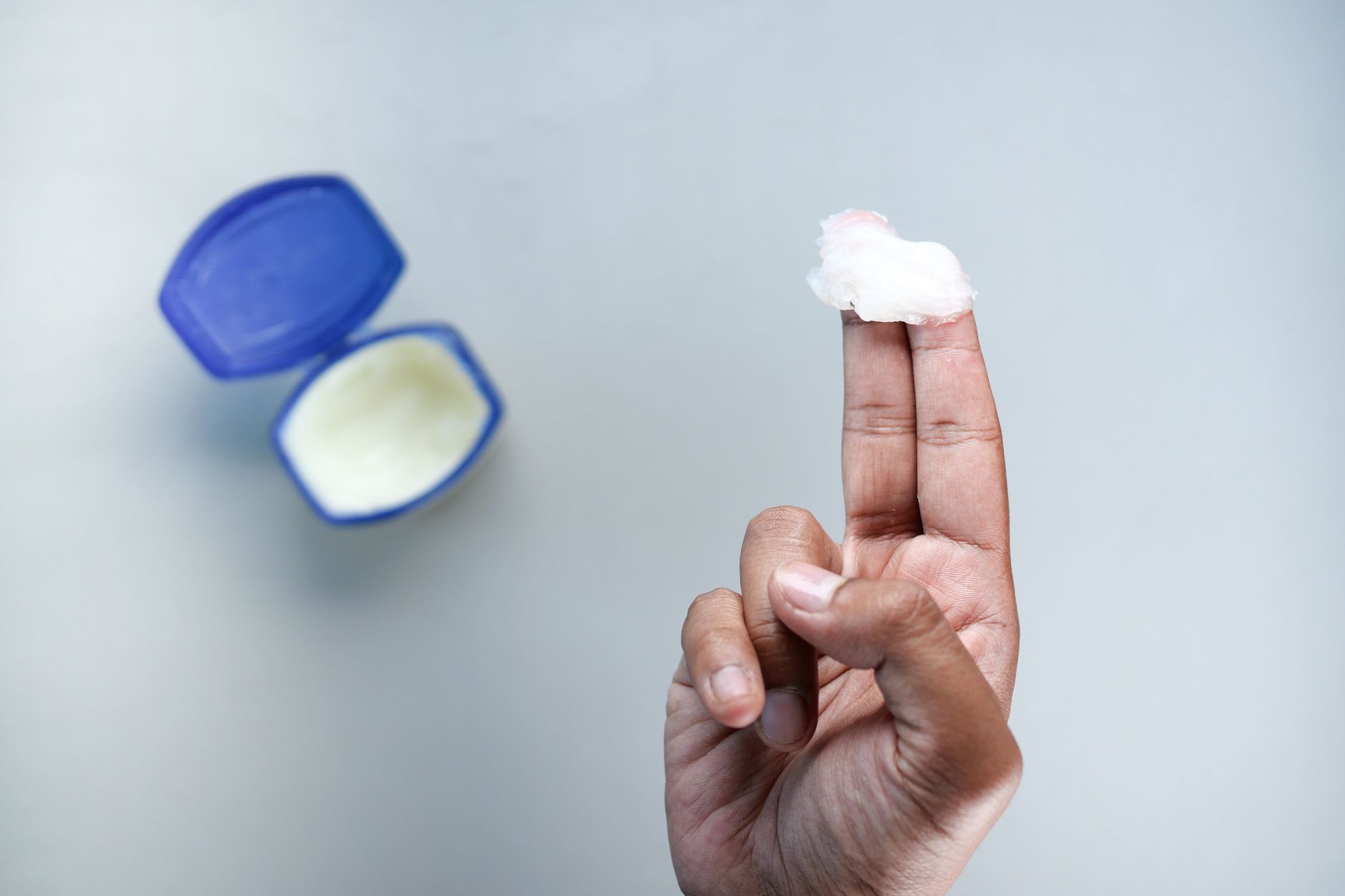
Petroleum jelly has long been a staple in beauty routines, lauded for its protective and moisture-retaining properties. However, with the rise in demand for natural and organic products, many people are questioning whether petroleum jelly is safe for use on skin and hair. Is it a benign staple, or does it pose risks that we should avoid?
This article delves into the evidence and potential risks associated with petroleum jelly, helping you make an informed choice about its use in your beauty regimen.
Is Petroleum Jelly Bad For You?
No, petroleum jelly is not inherently bad for you. It is generally considered safe for topical use on the skin and is effective at sealing in moisture. However, there are some considerations regarding its ingredients, potential for skin reactions, and the sustainability of petroleum products that may impact its use.
Understanding Petroleum Jelly
Petroleum jelly, often known by the brand name Vaseline, is a semi-solid mixture of hydrocarbons derived from crude oil. It has been used for over a century in various cosmetic and medical applications. Due to its occlusive characteristics, it forms a barrier on the skin, preventing transepidermal water loss and helping to keep the skin moisturized.
Common Uses
People incorporate petroleum jelly into their routines for various purposes, including:
- Moisturizing dry skin
- Protecting minor cuts and abrasions
- As a lip balm or treatment for chapped lips
- Reducing friction during activities, such as running or cycling
- Adding shine to nails and hair
- Preventing diaper rash in infants
The Benefits of Petroleum Jelly
When considering whether petroleum jelly is good for you, it’s important to recognize its benefits:
- Moisture retention: The primary function of petroleum jelly is to create a barrier that locks moisture in, making it effective for dry skin.
- Skin protection: It can help shield minor wounds, cuts, and abrasions from germs and irritants.
- An inexpensive option: Petroleum jelly is widely available and relatively inexpensive compared to specialized moisturizers.
- Versatility: It can be used on various parts of the body and even for makeup applications, such as a highlighter or a lip gloss base.
Potential Risks and Considerations
Despite its benefits, there are some potential risks associated with using petroleum jelly that you should be aware of:
1. Allergic Reactions and Sensitivities
While many people can use petroleum jelly without any issues, some may experience allergic reactions or sensitivities to it. This could manifest as:
- Redness
- Itching
- Rash or hives
If you’re concerned about potential reactions, performing a patch test on a small area of skin is a good precaution before applying it to larger areas.
2. Not Comedogenic for Everyone
Petroleum jelly is often described as non-comedogenic, meaning it shouldn’t clog pores. However, some individuals, particularly those with acne-prone or oily skin, may find that its occlusive nature exacerbates breakouts or leads to clogged pores. It’s essential for those individuals to consider their skin type and how their skin reacts to heavy products.
3. Environmental Considerations
Petroleum jelly is a by-product of petroleum—a non-renewable resource. This has raised sustainability concerns regarding its production and impact on the environment. If eco-friendliness is a priority in your beauty routine, consider alternatives such as natural oils or butters.
4. Potential for Contamination
If accessed from an open jar, petroleum jelly can become contaminated with bacteria or other harmful pathogens. To minimize this risk:
- Avoid using your fingers directly; utilize a clean spatula for dispensing.
- Keep the container tightly closed when not in use.
How to Incorporate Petroleum Jelly into Your Routine Safely
If you decide to incorporate petroleum jelly into your skincare or beauty routine, here are some practical tips:
Moisturizing Routine
- Cleanse: Start with a gentle cleanser suitable for your skin type to remove dirt and impurities.
- Apply a moisturizer: If you prefer, use a lightweight moisturizer or serum before applying petroleum jelly on top. This can enhance hydration.
- Pursue targeted areas: If you’re targeting dry patches, apply petroleum jelly directly to those areas as a sealant to retain moisture.
Use on Lips and Cuticles
- Exfoliate: For lips, start with a gentle scrub to remove dead skin cells.
- Application: Apply a thin layer of petroleum jelly to clean, dry lips or cuticles, helping to lock in moisture.
Makeup Tips
Petroleum jelly can also be used as a versatile beauty tool:
- As a highlighter: Dab a small amount onto the cheekbones for a dewy finish.
- For dry patches on foundation: Mix with foundation for a more luminous application.
- As a lip gloss: Apply directly for a shiny, hydrated look.
Natural Alternatives to Petroleum Jelly
If the concerns surrounding petroleum jelly make you hesitant, there are various natural alternatives to consider:
- Coconut Oil: Provides moisture and antioxidants without the occlusive nature of petroleum jelly.
- Shea Butter: Rich in fatty acids and vitamins, great for hydration.
- Beeswax: Forms a barrier and locks in moisture while allowing the skin to breathe.
- Aloe Vera Gel: Helps hydrate and repair the skin, making it suitable for sensitive skin types.
Conclusion: Making an Informed Choice
Petroleum jelly offers numerous benefits and has a longstanding track record in beauty and skincare. While generally safe, it does come with certain risks and considerations such as potential allergic reactions and environmental concerns. Ultimately, whether you choose petroleum jelly or an alternative depends on your individual skin type, needs, and values.
For those already using petroleum jelly, keep an eye out for any signs of irritation or discomfort, and adjust your usage as necessary to suit your routine. If you’re exploring other options, many natural alternatives can provide similar benefits without the drawbacks associated with petroleum products.
Curious about other beauty products? You can read more about whether Vaseline is good for your lips, or learn if Vaseline expires. Exploring these guides can help you build a beauty routine that best fits your lifestyle and skin health goals.