
When it comes to hair growth, many of us wonder how long it takes to achieve that coveted inch of length. Understanding the timeline of hair growth can help set realistic expectations for those looking to grow their hair out, whether for style, convenience, or as part of a beauty routine. In this article, we will explore the factors influencing hair growth and provide practical tips to help you achieve those hair goals.
On average, hair grows about half an inch per month, which translates to roughly six inches per year. However, individual hair growth can vary due to several factors. By understanding these elements, you can better support healthy hair growth and keep your mane looking its best.
How Long to Grow an Inch of Hair?
The standard hair growth rate is approximately half an inch each month, meaning it typically takes about two months to grow an inch of hair. However, this can be influenced by various factors, including genetics, hair care practices, and overall health. In this section, we will delve into these factors that impact hair growth and how you can optimize your hair care routine.
Factors Influencing Hair Growth
Understanding the factors that play a role in hair growth can help you make informed decisions about your hair care routine. Here are some of the main factors to consider:
1. Genetics
Your genetic makeup is one of the most significant determinants of your hair growth rate. Just as some people inherit traits like curly or straight hair, they may also inherit a predisposition for faster or slower hair growth. If you have relatives with long, thick hair, you might be more likely to experience similar hair growth.
2. Age
As we age, the rate of hair growth tends to slow down. Hair follicles may also become less active over time, leading to thinner hair. Generally, younger individuals experience faster hair growth due to higher levels of growth hormones.
3. Hormonal Changes
Hormones play a crucial role in hair growth. For example, during puberty, pregnancy, or menopause, fluctuating hormone levels can affect the growth cycle of hair. Conditions such as polycystic ovary syndrome (PCOS) can also disrupt hormonal balance, impacting growth rates.
4. Diet and Nutrition
A well-balanced diet rich in essential nutrients can support healthy hair growth. Nutrients like vitamins A, C, D, E, zinc, iron, and protein are particularly important for maintaining strong and healthy hair. Ensuring you meet your dietary needs can positively influence your hair growth.
5. Hair Care Practices
The products you use and how you treat your hair can also affect its growth rate. Over-processing with heat tools, harsh chemicals, and improper cleansing can lead to damage and breakage, undermining your hair growth goals. Adopting gentle hair care practices can support overall hair health.
6. Scalp Health
A healthy scalp promotes a favorable environment for hair growth. Regular exfoliation, hydration, and cleansing are essential for keeping the scalp free from buildup and irritation, which can impede growth.
Understanding the Hair Growth Cycle
To enhance your hair growth strategy, it’s essential to understand the hair growth cycle. Hair goes through three main phases:
1. Anagen Phase (Growth Phase)
The anagen phase is the active growth phase of hair, where the hair follicle is actively producing new hair cells. This phase can last anywhere from two to seven years, depending on genetics and other factors. Longer anagen phases typically result in longer hair.
2. Catagen Phase (Transitional Phase)
After the anagen phase, hair enters a short transitional phase called catagen. This phase lasts about two to three weeks, during which hair growth slows, and the follicle begins to shrink. The hair follicle detaches from the dermal papilla, ceasing active hair production.
3. Telogen Phase (Resting Phase)
The telogen phase is the resting phase of the hair cycle. This phase lasts around three months, during which the hair follicle is inactive. After the telogen phase, the hair falls out, making way for new hair growth as the cycle restarts.
Tips for Supporting Hair Growth
While you may not be able to control your genetics or age, there are several steps you can take to support healthy hair growth and minimize breakage. Here are some tips to help:
- Maintain a Balanced Diet: Focus on consuming a diet rich in vitamins and minerals that promote hair health. Incorporate foods like nuts, seeds, eggs, leafy greens, and lean proteins into your meals.
- Stay Hydrated: Proper hydration is essential for overall health, including hair health. Aim for at least eight glasses of water a day to keep your hair hydrated.
- Use Gentle Hair Products: Choose sulfate-free shampoos and conditioners that are free from harsh chemicals. Look for products containing natural ingredients that nourish the hair.
- Limit Heat Styling: Reduce your use of heat styling tools, as excessive heat can damage hair and hinder growth. If you must use heat, apply a heat protectant beforehand.
- Regular Trims: Schedule regular trims to eliminate split ends and prevent breakage. Trimming doesn’t directly influence hair growth but promotes healthier hair.
- Scalp Care: Keep your scalp clean by using gentle exfoliating scrubs or oils to prevent buildup and stimulate hair follicles.
- Manage Stress: High-stress levels can negatively impact hair growth. Practice relaxation techniques such as yoga, meditation, or deep-breathing exercises.
- Avoid Tight Hairstyles: Tight ponytails or braids can lead to traction alopecia, a form of hair loss caused by excessive pulling on the hair. Opt for loose styles instead.
Common Myths About Hair Growth
There are several myths surrounding hair growth that can lead to confusion. Here are some common misconceptions:
Myth 1: Shaving Hair Makes It Grow Thicker
Many believe that shaving hair makes it grow back thicker or faster. In reality, shaving only cuts the hair at the surface and does not affect the hair follicle or growth rate.
Myth 2: Hair Growth Supplements Guarantee Results
While some supplements are marketed to promote hair growth, not everyone will see results. Supplements may support hair health, but individual results can vary due to factors like genetics.
Myth 3: Hair Grows Faster in Warmer Weather
While some claim that hair grows faster in the summer due to increased blood circulation, studies have shown that hair growth is largely unaffected by temperature changes.
Tracking Your Hair Growth
If you’re committed to growing your hair, keeping track of your progress can be motivating. Here’s how to monitor your hair growth effectively:
- Take Regular Photos: Capture images of your hair over time to visually track your growth. This method can help you see progress that may not be immediately apparent.
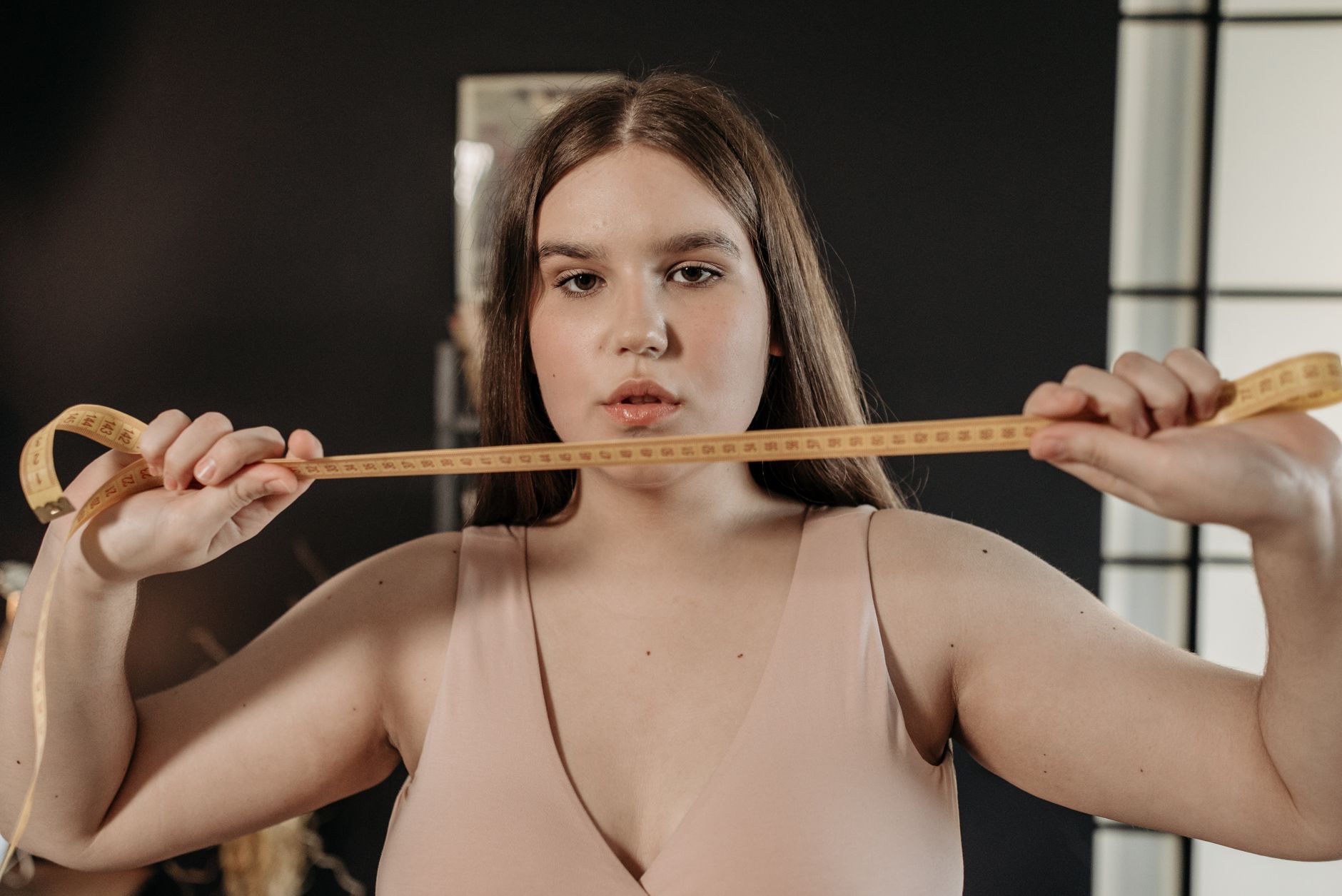
- Measure Your Hair: Use a measuring tape or ruler to assess hair length at the roots every month to quantify growth.
- Journaling: Keep a hair diary to note product usage, dietary changes, and any treatments you try. This can help you identify what works best for your hair.
The Role of Salon Treatments
Professional treatments can also complement your hair care routine and support hair growth. Here are some treatments to consider:
- Scalp Massages: Professional scalp massages can help improve blood circulation to the hair follicles, promoting growth.
- Deep Conditioning Treatments: Regular deep conditioning treatments can nourish and hydrate your hair, reducing breakage and maintaining length.
- Hair Masks: Using hair masks with ingredients designed to promote strength and shine can help create a healthy hair environment.
- Coloring with Caution: If you dye your hair, consider using less damaging techniques like balayage or ombre, which require less frequent touch-ups.
When to Consult a Professional
If you notice significant hair thinning or loss, it may be wise to consult a dermatologist or trichologist. They can evaluate your scalp health and hair growth cycle to determine the best course of action, whether it’s a medical treatment or professional product recommendation.
Some signs that you should seek professional advice include:
- Excessive hair shedding or bald patches
- Itchy or inflamed scalp
- Changes in hair texture or thickness
- Persistent dryness or breakage
Setting Realistic Hair Goals
While it’s tempting to aim for a drastic change in length, setting realistic expectations is essential. Understanding that hair grows at its own pace and can be impacted by numerous factors will help you remain patient in your hair growth journey. If you’re eyeing those gorgeous long locks, it’s crucial to celebrate the small milestones along the way.
Conclusion
On average, growing an inch of hair takes about two months, but individual growth rates can vary significantly. Genetics, diet, hair care practices, and scalp health all play a role in determining how fast your hair will grow. By adopting healthy habits and caring for your scalp and hair, you can create the best environment for optimal hair growth and reach your hair goals. Remember, beauty is not solely defined by length; healthy hair is beautiful hair.
For more insights on beauty care routines and related topics, be sure to check out our guides on how long nail polish takes to dry and how long it takes for eyelashes to grow back.