
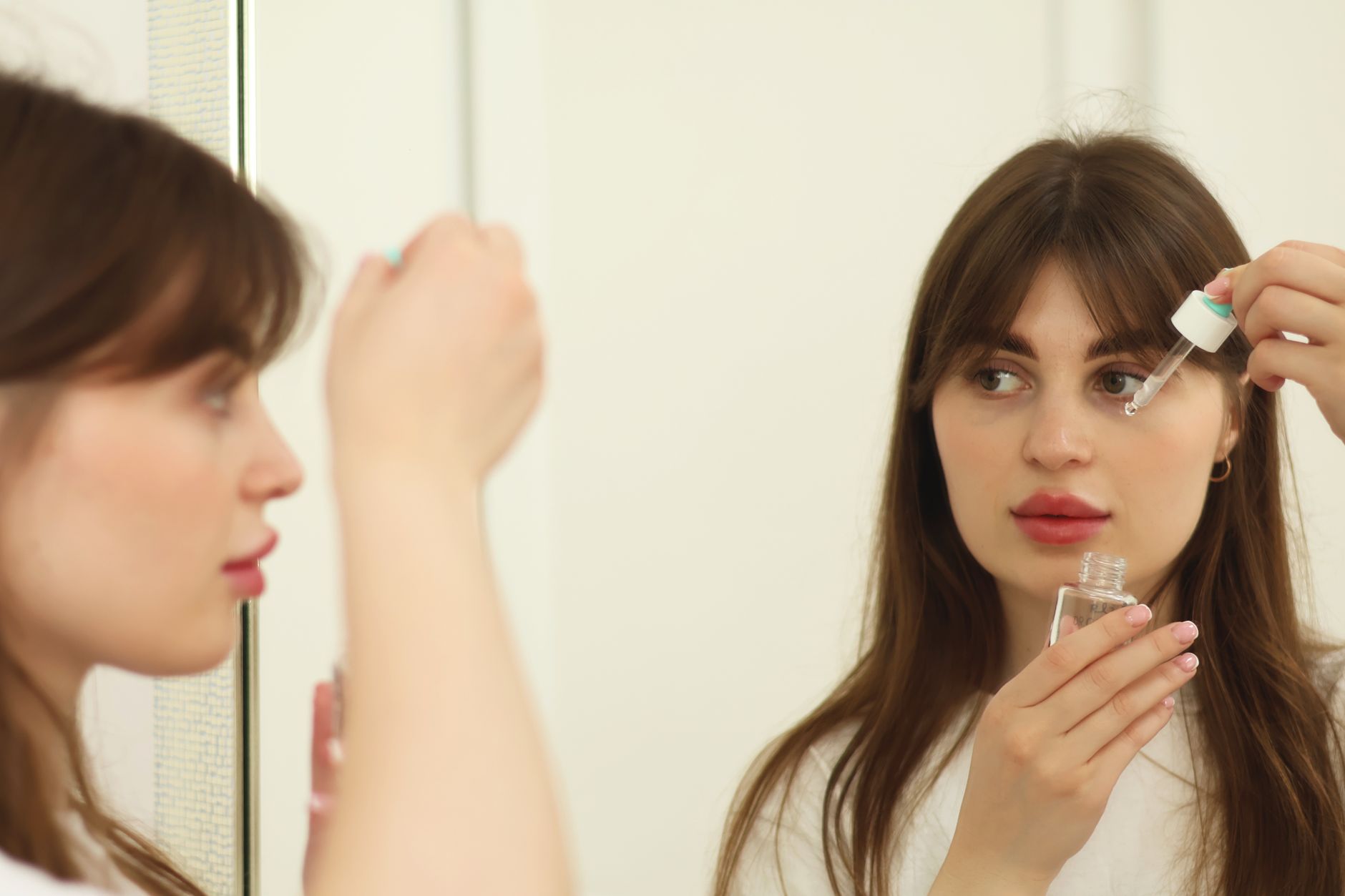
Vegetable glycerin, also known as glycerin or glycerol, is a versatile ingredient derived from plant oils with numerous benefits in beauty and personal care products. Widely praised for its moisturizing properties, it acts as a humectant, drawing moisture to the skin and hair. This makes it an essential addition to various formulations, from skincare to haircare and beyond.
Whether you’re exploring new beauty products or looking to create your own formulations, understanding vegetable glycerin’s roles and benefits will help you make informed decisions. In this article, we’ll delve into what vegetable glycerin is, its benefits, uses, and some key facts you need to know.
What Is Vegetable Glycerin?
Vegetable glycerin is a colorless, odorless, and viscous liquid derived from the hydrolysis of fats and oils, notably palm, soy, or coconut oil. It is a simple polyol compound and is often included in beauty products for its moisturizing, soothing, and anti-aging properties.
Commonly found in numerous cosmetics and personal care products, it serves as an effective humectant—this means it can attract moisture from the environment into your skin or hair, helping them to stay hydrated and soft.
Benefits of Vegetable Glycerin
Vegetable glycerin is celebrated in the beauty world for various reasons. Let’s explore some of the most prominent benefits:
- Moisturizing Properties: As a humectant, vegetable glycerin helps draw moisture to the skin and hair, providing hydration without leaving a greasy residue.
- Skin Barrier Protection: It can strengthen the skin’s natural barrier, enhancing its ability to retain moisture and protect against environmental stressors.
- Soothing and Healing: Glycerin has soothing properties that can help alleviate irritation and promote healing, making it beneficial for sensitive or damaged skin.
- Anti-Aging: The hydrating effects of vegetable glycerin can help plump skin, reducing the appearance of fine lines and wrinkles.
- Non-Comedogenic: It is unlikely to clog pores, making it suitable for various skin types, including oily and acne-prone skin.
- Versatility: It can be used in a wide range of formulations, from creams and lotions to serums and haircare products.
Uses of Vegetable Glycerin in Beauty
Vegetable glycerin can be incorporated in myriad ways across different beauty categories. Below, we explore how it can be utilized:
Skincare
In skincare, vegetable glycerin plays a vital role in hydrating and maintaining soft, supple skin. It’s commonly found in:
- Moisturizers: Helps to keep the skin hydrated and smooth.
- Serums: Boosts hydration levels and enhances the serum’s efficacy.
- Cleansers: Aids in removing impurities while moisturizing the skin.
- Body lotions: Provides lasting hydration for dry skin all over the body.
Haircare
For haircare, vegetable glycerin serves as a moisturizing agent that can help maintain healthy hair. You’ll find it in:
- Conditioners: Adds moisture and helps detangle hair.
- Hair masks: Delivers intense hydration and nourishment.
- Styling products: Helps control frizz and adds shine.
Makeup
Vegetable glycerin can also be a key player in makeup products:
- Primers: Provides a smooth base by hydrating the skin.
- Setting sprays: Helps lock in moisture for a dewy finish.
- Foundations: Adds hydration and a natural glow to the complexion.
Body and Nail Care
In body and nail care, vegetable glycerin helps to:
- Moisturize cuticles: Keeps cuticles soft and prevents dryness.
- Hydrate skin: Provides moisture to rough or dry areas, such as elbows and knees.
Fragrance
Vegetable glycerin can also be found in fragrance formulations, where it acts as a solvent for essential oils, helping the scent to last longer and ensuring even application.
Key Facts about Vegetable Glycerin
Here are some essential points to know when considering vegetable glycerin for your beauty routine:
- Plant-Derived: Vegetable glycerin is derived from renewable plant sources, making it a more sustainable choice compared to petroleum-derived alternatives.
- Safe for Most Skin Types: It is suitable for most skin types, including sensitive and acne-prone skin, as it is non-irritating.
- General Safety: Generally recognized as safe when used as directed, but patch testing is recommended for those with sensitive skin.
- Cosmetic and Food Grade: Always check product labels to ensure you are using cosmetic-grade glycerin in beauty applications.
- Absorption: Glycerin is hygroscopic, which means it attracts moisture, but it’s essential to apply it in an environment with humidity to maximize its efficacy.
How to Incorporate Vegetable Glycerin into Your Routine
Integrating vegetable glycerin into your beauty routine can be simple and effective. Here’s how to do it safely and effectively:
For Skincare
- Start with a clean face. Use your regular cleanser to remove makeup and impurities.
- Apply a toner to prep your skin and enhance absorption.
- Mix a few drops of vegetable glycerin with your favorite serum or moisturizer.
- Gently massage it into your skin, focusing on dryer areas.
- Follow up with sunscreen in the morning to protect your skin.
For Haircare
- Shampoo your hair as usual to remove buildup.
- Mix a few drops of vegetable glycerin with your conditioner or hair mask.
- Apply the mixture evenly to your hair, focusing on the ends.
- Leave it on for a few minutes before rinsing thoroughly to lock in moisture.
Common Mistakes with Vegetable Glycerin
While vegetable glycerin has many benefits, there are some common pitfalls to avoid:
- Using Too Much: Overusing glycerin can lead to a greasy feeling and may attract excess moisture, making skin appear oily. Start small and increase as needed.
- Not Considering Humidity: Glycerin requires moisture to be effective. If you are in a dry climate, it may not perform as expected.
- Skipping Patch Testing: New ingredients can sometimes cause reactions. Always patch test before fully incorporating into your routine.
Potential Concerns and Cautions
Even with its many benefits, there are some considerations when using vegetable glycerin:
- Concentration Matters: Using glycerin in high concentrations can lead to sticky skin. It’s best to use it in moderation and as part of a balanced formulation.
- Allergic Reactions: Although rare, some individuals may be allergic. Monitor for signs of irritation.
How to Choose Products with Vegetable Glycerin
When selecting products containing vegetable glycerin, consider the following:
- Ingredients List: Always check the ingredients to ensure glycerin is listed prominently, ideally within the first five ingredients.
- Product Type: Decide on the type of product you need, whether it’s a moisturizer, serum, or hair treatment.
- Skin Type: Choose products that suit your skin or hair type, as formulations will vary dramatically.
Conclusion
Vegetable glycerin is a powerful and versatile ingredient that can significantly enhance your beauty routine by providing hydration and various skincare benefits. Whether you’re looking to improve your skin’s moisture barrier, hydrate your hair, or create your own beauty products, vegetable glycerin is an excellent addition to consider.
As you explore different beauty products, keep in mind the important role of vegetable glycerin. Its ability to draw moisture into the skin and hair can contribute to a healthier, more radiant appearance. Always be sure to patch test new products and seek those that fit your specific beauty needs.
If you’re interested, explore related beauty guides such as What Is Lanolin? and What Is Castor Oil Good For? for additional insights into beneficial ingredients that can enhance your beauty routine.