
Bleaching your hair at home can be an exciting way to express your personality and change up your look. However, it’s essential to approach the process with careful preparation, proper technique, and a good understanding of safety tips to achieve your desired result without damaging your hair.
This comprehensive guide will walk you through the steps of bleaching your hair at home, highlight essential safety tips, and address various hair types and considerations, ensuring you feel empowered and informed every step of the way.
How to Bleach Your Hair at Home?
To bleach your hair at home, gather the necessary tools and products, follow the proper preparation steps, bleach your hair while monitoring the process, and take care of your hair afterward. With these steps, you can achieve beautiful, bleached hair safely.
Understanding the Basics of Hair Bleaching
Bleaching hair involves a chemical process that removes color from the hair. The primary ingredient in most hair bleach is hydrogen peroxide, which penetrates the hair shaft to strip it of pigment. Here’s what you should know:
- Hair Structure: Hair is made of a protein called keratin, with melanin (pigment) determining its color.
- Porosity: Hair porosity affects how well your hair absorbs bleach. High porosity hair may lighten faster but can also sustain more damage, while low porosity hair may take longer.
- Natural Hair Color: The darker your hair, the more processing time it generally needs.
Preparing for the Bleaching Process
Preparation is key to a successful bleaching experience. Follow these steps to ensure your hair is ready and that you have everything you need.
Gather Your Materials
Before starting, make sure you have the following items:
- Hair bleach (powder and developer)
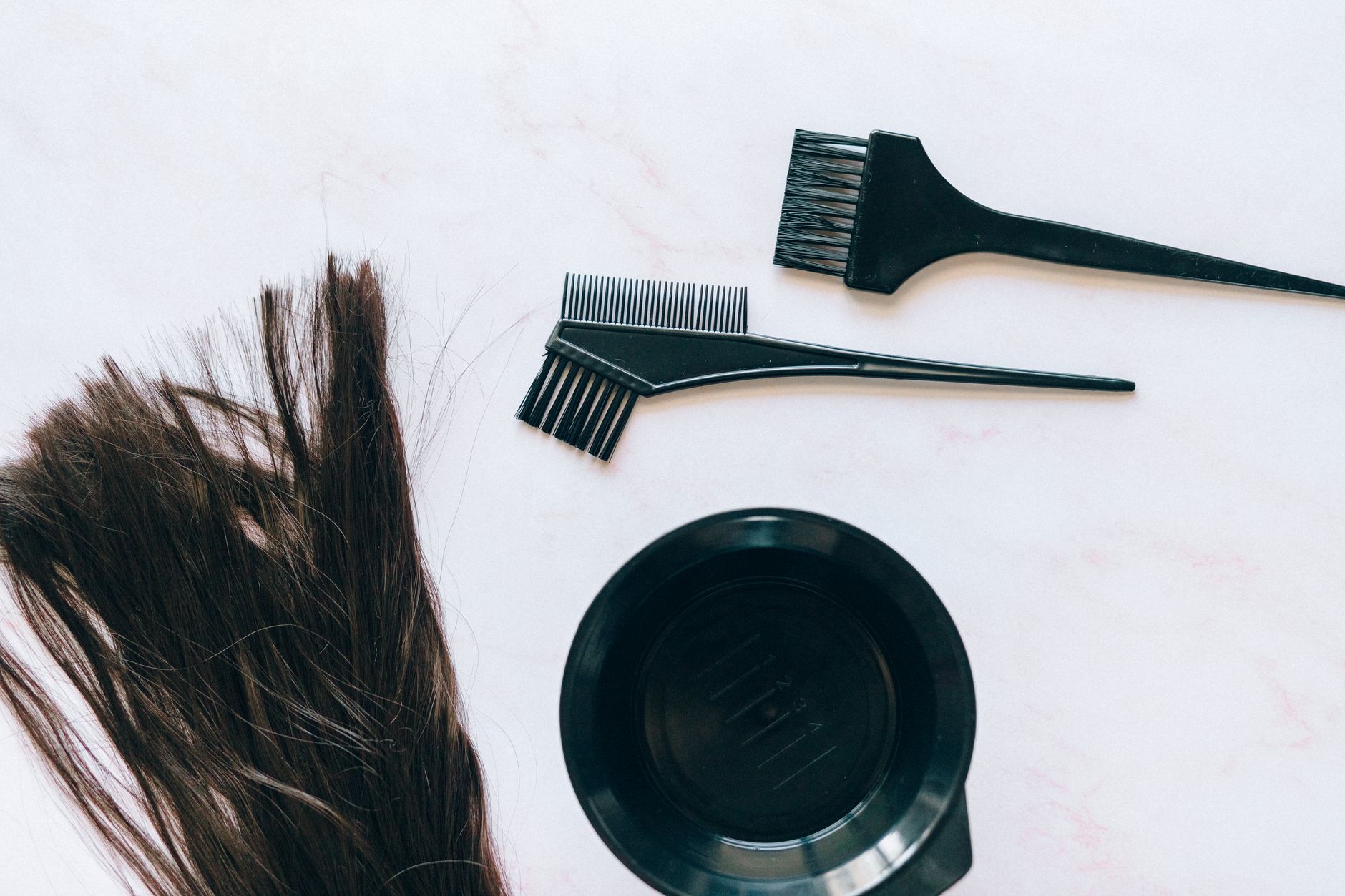
- Mixing bowl and applicator brush
- Gloves to protect your hands
- Old towel or cape to cover your clothes
- Plastic cap or wrap to hold in heat
- Wide-toothed comb for detangling
- Toner (optional, for after bleaching)
- Deep conditioner or hair mask for post-bleach care
Assess Your Hair
Assess the health of your hair before bleaching. If your hair is already damaged or overly processed, consider postponing or seeking professional assistance. Perform a strand test to see how your hair reacts to bleach:
- Take a small section of hair from an inconspicuous area.
- Mix the bleach according to the instructions.
- Apply the bleach to the hair strand and monitor how it lifts.
Pre-Bleach Treatments
To minimize damage, consider a few pre-bleach treatments:
- Deep Conditioning: Apply a deep conditioning treatment a few days before bleaching to strengthen your hair.
- Trim Split Ends: Get a trim to remove any damaged ends, helping your hair look healthier post-bleach.
- Do Not Wash Hair: Avoid washing your hair on the day of bleaching; the natural oils can protect your scalp from irritation.
The Bleaching Process: Step-by-Step
Now that you’re prepared, it’s time to bleach your hair. Follow these detailed steps carefully for the best results.
Step 1: Mix the Bleach
In a mixing bowl, combine the bleach powder and developer. Follow the package instructions for the correct ratio (usually 1:2 ratio of bleach to developer), and mix until you achieve a smooth consistency.
Step 2: Section Your Hair
Divide your hair into manageable sections for easier application. Use hair clips to pin each section up. Aim for at least four sections (top, bottom, left, right) depending on your hair’s thickness.
Step 3: Application
Put on your gloves and start applying the bleach:
- Begin at the back sections of your hair, as these tend to take longer to process.
- Using your brush, apply the bleach about 1 inch from the scalp, avoiding the roots initially.
- Apply the bleach liberally, ensuring the hair is evenly saturated.
- Once you’ve finished the mid-lengths and ends, go back and apply bleach to the roots. The heat from your scalp will help lift the color faster.
Step 4: Monitor the Process
Check your hair every 5 to 10 minutes for processing. Natural hair colors will typically take 30 to 45 minutes, though darker colors may require longer. Ensure you follow the product instructions for timing.
Step 5: Rinse and Shampoo
Once the desired lift is achieved, quickly rinse out the bleach with lukewarm water.
- Follow up with a gentle, sulfate-free shampoo to remove all traces of bleach.
- Condition thoroughly to replenish moisture.
Step 6: Toner (Optional)
If desired, apply a toner to neutralize any unwanted brassy or yellow tones. Follow the toner instructions for application and processing time. This typically takes about 10 to 20 minutes.
Post-Bleach Care
After bleaching, your hair needs special care to maintain its health and vibrancy. Follow these tips:
- Deep Conditioning Treatments: Use moisturizing masks weekly to nourish and protect bleached hair.
- Limit Heat Exposure: Avoid excessive heat styling to prevent further damage.
- Use a UV Protectant: Protect your hair from sun damage with UV protectant sprays.
- Regular Trims: Schedule regular trims every 6-8 weeks for ongoing maintenance.
Safety Tips for Bleaching Your Hair at Home
Bleaching hair can be harsh, so prioritizing safety is crucial. Here are important safety tips to consider:
- Patch Test: Always conduct a patch test 48 hours before bleaching to check for allergic reactions.
- Work in a Well-Ventilated Area: Ensure proper airflow to avoid inhaling fumes.
- Follow Instructions: Always adhere to the product instructions for the best results.
- Protect Your Skin: Use an old towel to protect your clothes, and apply a layer of conditioner around your hairline to prevent skin burns.
- Don’t Rush: Allow time to process; if you’re unsure, remove the bleach sooner rather than risking damage.
Common Mistakes to Avoid When Bleaching Hair
While the process seems straightforward, there are common pitfalls to watch out for:
- Failing to read and follow product instructions closely can result in uneven or unexpected results.
- Applying bleach on dirty hair can lead to uneven results; always start on clean, dry hair.
- If your first attempt doesn’t achieve your goal, resist the urge to re-bleach immediately. Give your hair a break and assess its condition.
- Not using a toner post-bleach can lead to unwanted brassiness, especially on light brown or dark blonde hair.
Frequently Asked Questions About Hair Bleaching
How long does it take for hair to bleach?
The duration varies based on hair type and color. Typically, it takes between 30 to 45 minutes, but darker hair may need more time. Always check the progress frequently.
Can I bleach my hair if I’ve colored it before?
Yes, but be cautious. It is crucial to consider the previous color used and ensure your hair is in good health before attempting to bleach again.
How do I choose the right developer strength?
For most at-home bleaching, a 20-volume developer is suitable for lifting by 1-2 levels, while a 30-volume developer lifts about 2-3 levels. Choose based on your hair’s health and desired outcome.
Wrapping Up
Bleaching your hair at home can be a rewarding beauty transformation when done correctly and safely. By following these comprehensive steps, monitoring your hair’s health, and taking proper precautions, you can achieve that sun-kissed or platinum look you desire. Remember to prioritize hair care post-bleach to maintain the integrity of your hair.
Ready to explore further beauty techniques or tips? Check out our guides on how long it takes for hair to grow an inch or how long to leave bleach in hair to keep enhancing your beauty routine.