
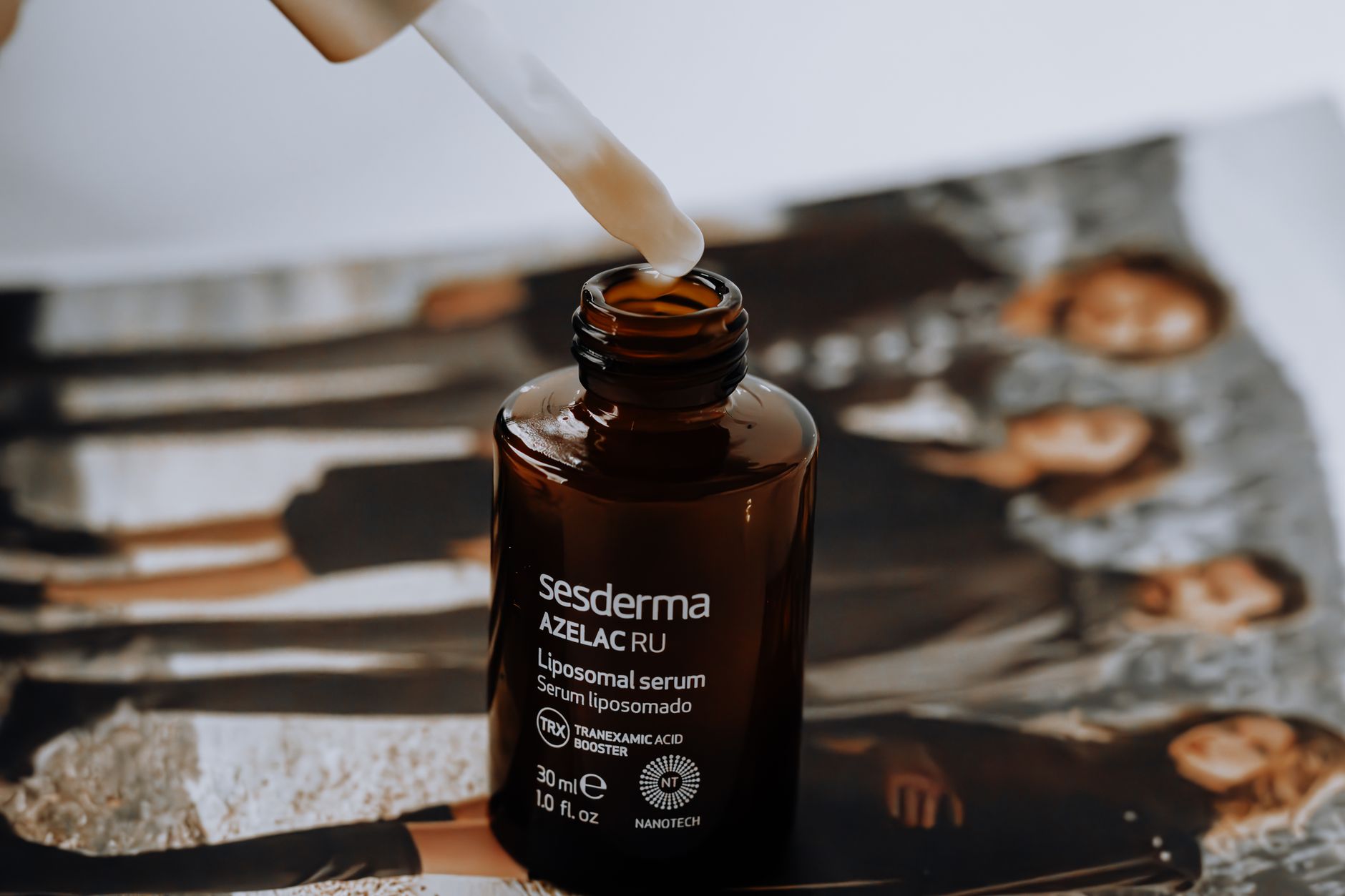
Azelaic acid has emerged as a popular ingredient in the skincare world, known for its multifaceted benefits. If you’re seeking a solution for issues like acne, rosacea, or hyperpigmentation, understanding how to properly incorporate azelaic acid into your skincare routine can make a notable difference. This guide will cover everything you need to know about using azelaic acid, including its benefits, application order, skin types, and safety tips.
Whether you’re considering trying azelaic acid for the first time or looking to refine your existing routine, this article aims to provide clear steps and essential information to help you on your skincare journey.
How to Use Azelaic Acid?
To use azelaic acid effectively, you should understand its benefits and how it fits into your skincare routine. Azelaic acid can help reduce inflammation, unclog pores, and regulate skin cell turnover while also diminishing hyperpigmentation. Generally, it can be used in both morning and evening routines, depending on product formulations. Start by introducing it gradually and observe your skin’s response.
Understanding Azelaic Acid
Azelaic acid is a dicarboxylic acid naturally found in grains, such as barley, rye, and wheat. It exhibits various benefits, including:
- Anti-inflammatory properties that can soothe red, irritated skin.
- Comedolytic effects, which help to unclog pores and reduce acne breakouts.
- Skin brightening abilities that can reduce the appearance of hyperpigmentation.
- Antibacterial properties effective in treating acne-causing bacteria.
This ingredient is often found in various formulations, including creams, gels, and foams. For those with sensitive or reactive skin types, azelaic acid is generally well-tolerated compared to stronger actives like retinoids or glycolic acid.
Choosing the Right Product
When selecting an azelaic acid product, consider the concentration and formulation:
- Concentration: Most azelaic acid products range from 10% to 20%. Beginners may start with a lower concentration to assess skin compatibility.
- Formulation: Options include creams, gels, and serums. Creams are ideal for dry skin, while gels may suit oilier complexions.
Read labels carefully to ensure the product aligns with your skin type and specific concerns. Do check for additional ingredients that can provide complementary benefits, such as niacinamide or salicylic acid.
Skin Types and Considerations
Before you incorporate azelaic acid, it’s essential to understand how it interacts with different skin types:
- Oily Skin: Azelaic acid helps to manage excess oil and minimize breakouts.
- Dry Skin: Opt for cream formulations to provide necessary hydration while benefiting from the acid’s calming properties.
- Sensitive Skin: Patch test before use; azelaic acid is typically gentle but it’s wise to monitor any reactions.
- Combination Skin: A gel formulation can work well on oilier areas while using a cream on drier patches.
- Skin Tone: Azelaic acid can help even out skin tone, making it suitable for various skin tones.
Incorporating Azelaic Acid into Your Routine
When introducing azelaic acid into your skincare routine, follow a structured approach. Here’s a typical sequence for morning and evening routines:
Morning Routine
- Cleanser: Start with a gentle cleanser to remove impurities without stripping your skin.
- Toner (optional): If you use a toner, apply a hydrating or balancing toner before the next steps.
- Azelaic Acid: Apply the azelaic acid product according to its instructions. Use a small amount, usually the size of a pea.
- Moisturizer: Lock in hydration with a suitable moisturizer for your skin type.
- Sunscreen: Finish with a broad-spectrum sunscreen, a crucial step to protect your skin, especially when using active ingredients.
Evening Routine
- Cleanser: Use a gentle cleanser to wash off the day’s grime.
- Exfoliation (optional): You may include a chemical exfoliant, but avoid layering strong actives to prevent irritation.
- Toner (optional): Apply a toner, if desired.
- Azelaic Acid: Apply the azelaic acid as before, allowing it to absorb.
- Moisturizer: Follow up with a nourishing moisturizer to support skin repair overnight.
Gradual Introduction
When starting azelaic acid, take it slow. Begin with applying it 2-3 times a week and gradually increase frequency as tolerated. Watch for any signs of irritation like redness, peeling, or excessive dryness. If such reactions occur, reduce frequency or stop using it altogether.
Common Mistakes to Avoid
While using azelaic acid, being aware of common missteps can ensure a smoother experience:
- Skipping Sunscreen: Not wearing sunscreen is a critical mistake while using any active ingredient, especially azelaic acid.
- Overusing Products: Layering multiple actives can overwhelm your skin. Be mindful of what products you combine.
- Neglecting Moisturizer: Not using a moisturizer can lead to dryness, so always hydrate accordingly.
- Ignoring Patch Testing: Every new product should be patch-tested to mitigate the risk of reactions.
Signs of Irritation and What to Do
If you experience irritation while using azelaic acid, it’s essential to address it promptly:
- Redness: If your skin becomes red or inflamed, reduce usage to once every other day.
- Peeling: Excessive peeling may require you to decrease the frequency of use or apply a heavier moisturizer.
- Burning Sensation: If you feel burning or stinging, rinse it off immediately and consider discontinuing.
In any case of severe irritation, consult a dermatologist for personalized guidance.
Realistic Expectations
It’s essential to have realistic expectations when using azelaic acid. While some users may notice improvements within a few weeks, others might take several months to see results. Understanding that everyone’s skin is unique will help navigate your skincare journey effectively.
Azelaic acid can enhance your routine, but there are no shortcuts to flawless skin. Consistency paired with patience is key.
Consultation with a Professional
If skin concerns persist or worsen, consider consulting a dermatologist. They can recommend personalized treatment options that suit your specific skin condition. This is particularly relevant for severe acne or rosacea cases, where a professional’s insight can make a significant difference.
Combining Azelaic Acid with Other Ingredients
Azelaic acid can be effectively combined with certain other skincare ingredients:
- Niacinamide: It pairs well with azelaic acid for added soothing and brightening effects.
- Glycolic Acid: Combining is acceptable, but do not use them simultaneously to prevent irritation.
- Hyaluronic Acid: Use hyaluronic acid to boost hydration, especially if using azelaic acid on dry skin.
Storing Azelaic Acid Products
Proper storage of azelaic acid products is crucial for maintaining effectiveness:
- Keep in a cool, dark place: Excess light and heat can degrade active ingredients.
- Seal tightly: Ensure caps are tightly sealed to prevent exposure to air.
Conclusion
Incorporating azelaic acid into your skincare routine can help address various skin concerns while promoting an even, healthy complexion. Start with a gradual introduction, monitor your skin’s response, and pair it thoughtfully with other products. Should any issues arise, consult a skincare professional for tailored advice.
By understanding how to use azelaic acid and integrating it into a consistent routine, you can enjoy the journey of skincare with improved confidence and knowledge.
Explore our other beauty guides for more routines, tips, and tutorials to enhance your skincare and makeup applications.