
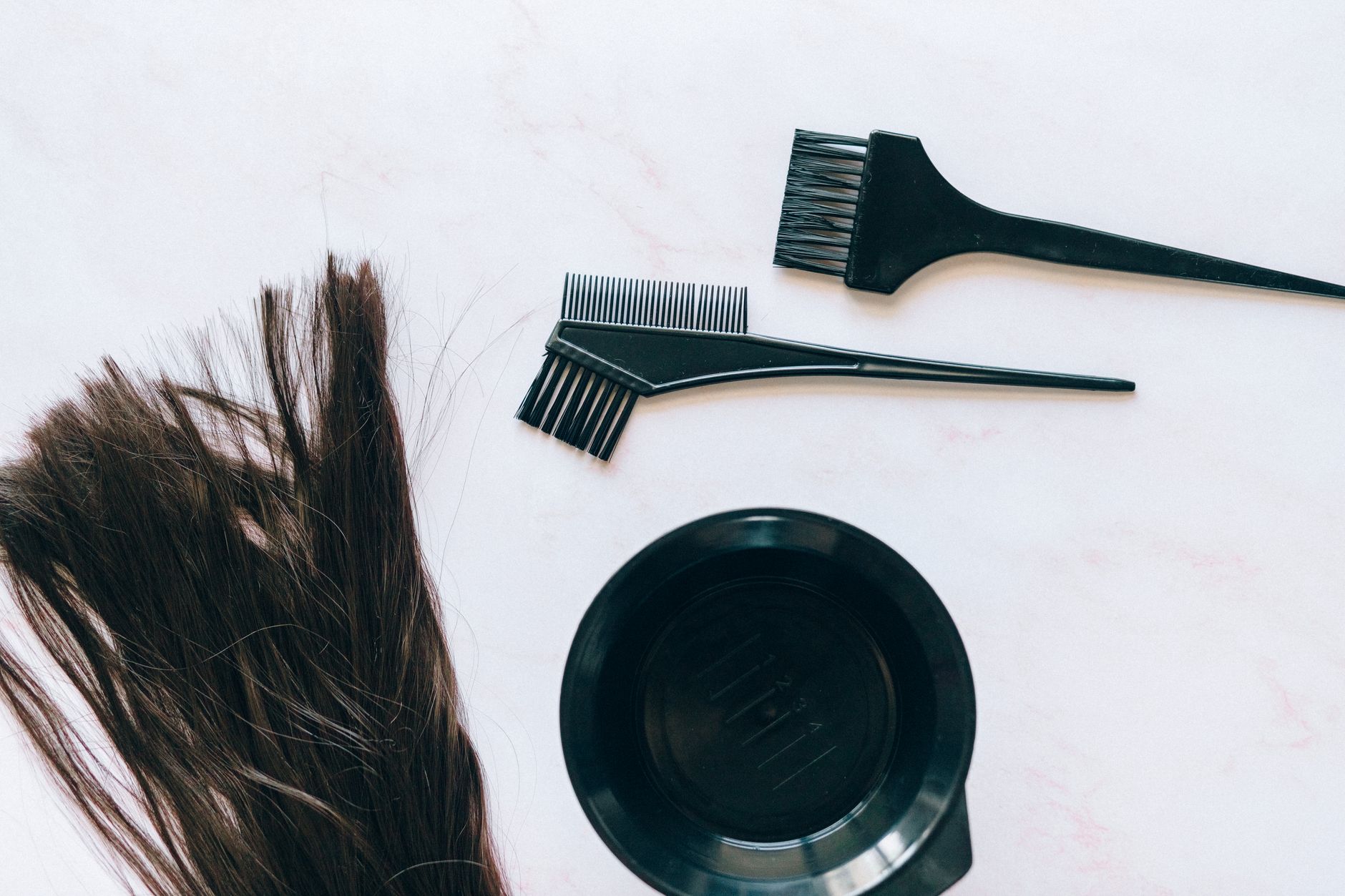
When it comes to hair coloring, the terms “developer” and “bleach” often come up in conversations, but many may be unsure about the differences between them. Understanding the role of developer in the bleaching process is essential for anyone looking to lighten their hair or create vibrant color results. This guide will explore whether developer is bleach, how it works, and what you need to know for safe and effective hair coloring.
Developer, often referred to as “oxidizing agent,” is a crucial component used in the hair coloring process. It activates the hair dye and enables it to penetrate the hair shaft. While developer itself is not bleach, it is often used in conjunction with bleach to achieve desired hair lightening results. Let’s break down the specifics so you feel confident in your hair coloring journey.
Is Developer Bleach?
Developer is not bleach, but it plays a significant role in the hair lightening process when used alongside bleach. Developer contains hydrogen peroxide, which helps open the hair cuticles to allow color or bleach to penetrate effectively. Bleach, on the other hand, contains strong chemicals that lighten hair by breaking down the pigments present in the hair strand.
How Developer Works in Hair Coloring
To better understand the function of developer, it’s essential to clarify its components and how it interacts with hair dye or bleach:
- Composition: Developer typically comes in different volumes—10, 20, 30, and 40. The volume indicates the concentration of hydrogen peroxide in the developer.
- Activation: When a developer is mixed with hair dye or bleach, hydrogen peroxide activates the dye or bleach, making it effective in changing the hair color.
- Open Cuticles: The developer also helps open the hair cuticle layer, allowing the dye or bleach to penetrate the hair shaft more efficiently.
Understanding Bleach: What It Actually Does
Bleach is a chemical agent that lightens hair by removing natural pigments. Unlike developer, which facilitates the process, bleach is the substance that actually alters your hair color. Here’s a closer look at how bleach works:
- Oxidation: Bleach functions through a chemical reaction known as oxidation. When applied to hair, it breaks down the melanin pigments, leading to lighter hair shades.
- Types of Bleach: There are various forms of bleach, including powder bleach and cream bleach. Powder bleach is mixed with developer, while cream bleach is usually premixed.
- Potential Damage: While bleach can achieve brilliant colors, it can also weaken and damage your hair if not used carefully.
Choosing the Right Developer
When considering hair bleaching or coloring, selecting the right developer is crucial. The volume you choose will significantly affect the outcome:
Developer Volumes Explained
| Volume | Lightening Ability | Best For |
|---|---|---|
| 10 Volume | 1 level lightening | Deposit color without significant lifting |
| 20 Volume | 2 levels lightening | Gray coverage and lightening darker hair colors |
| 30 Volume | 3-4 levels lightening | Lightening darker colors significantly; effective for highlights |
| 40 Volume | 4-5 levels lightening | Professional use; strong lift for very dark hair |
Choosing the right volume depends on your hair’s current color and desired results. For instance, if you’re looking to lighten your hair significantly, a higher volume typically yields better results. However, keep in mind that more potent developers can also lead to greater damage.
Developer and Bleach Application Process
If you are planning to use developer with bleach, it’s important to follow a systematic approach to achieve the best possible outcome:
- Preparation: Gather all supplies, including gloves, mixing bowl, brush, and a timer. Keep a towel handy, and wear old clothes to avoid staining.
- Mixing: In a mixing bowl, combine the bleach powder with the appropriate volume of developer according to the instructions provided on the products. Be sure to mix thoroughly.
- Application: Divide your hair into sections for even application. Using a brush, apply the bleach mixture starting from the ends, moving upwards towards the roots. This ensures that the roots, which develop heat, lighten faster.
- Timing: Set a timer according to the product guidelines. Monitor the hair regularly to avoid over-processing. Typically, bleaching takes about 20-40 minutes.
- Rinsing: Once the desired lift is achieved, rinse your hair thoroughly with cool water. Follow up with a deep conditioner to restore moisture.
Common Mistakes to Avoid When Using Developer and Bleach
To achieve optimal results while minimizing damage, it’s important to be mindful of common pitfalls:
- Skipping the Strand Test: Always do a strand test on a small section of hair before applying bleach all over. This helps you gauge the color result and how your hair responds to the chemicals.
- Overlapping Applications: If you’ve previously colored your hair, avoid overlapping the product to prevent excessive damage. Apply to new growth only.
- Ignoring Developer Volume: Using the wrong developer volume can lead to undesired results or excessive hair damage.
- Not Following Instructions: Always follow the product instructions provided with your developer and bleach to ensure proper mixing and application.
- Neglecting Aftercare: Post-bleach care is essential. Use deep conditioning treatments and avoid heat styling for a while to keep your hair healthy.
How to Protect Your Hair Before and After Bleaching
Caring for your hair before and after bleaching is essential for maintaining its health and shine. Here are some effective tips:
Pre-Bleaching Care
- Strengthen Your Hair: In the weeks leading up to bleaching, incorporate protein treatments or masks to strengthen your hair.
- Avoid Heat Styling: Limit the use of heat styling tools to reduce damage before the bleaching process.
- Healthy Diet: Nourish your hair from within by consuming a balanced diet rich in vitamins and minerals.
Post-Bleaching Care
- Deep Condition: Apply a deep conditioning treatment immediately after bleaching to replenish moisture and nutrients.
- Use Color-Safe Products: Opt for shampoos and conditioners designed for color-treated hair to help maintain vibrancy.
- Limit Washing: Avoid washing your hair too frequently and opt for cool water to help preserve color.
- Avoid Direct Sunlight: Protect your hair from sun damage by wearing hats or using UV protectants.
Realistic Expectations When Using Developer and Bleach
It’s essential to set realistic expectations when lightening your hair:
- Individual Hair Response: Every individual’s hair reacts differently to bleach and developer based on factors like natural color, texture, and damage history.
- Gradual Process: Sometimes, achieving the desired shade requires multiple sessions. It’s not always achievable in one go.
- Potential Orange or Yellow Tones: Depending on your natural base color, you may notice unwanted tones after bleaching. This is normal and can be corrected with toners.
When to Seek Professional Help
While at-home bleaching can be effective, there are times when reaching out to professionals is advisable:
- Complex Colors: If you’re aiming for vibrant or unconventional shades, a professional colorist can provide expertise and products best suited for your desired look.
- Damaged Hair: If your hair is already damaged, consider seeking professional assistance for the best outcomes, as they can assess and treat your hair condition.
- Allergies or Sensitivities: If you have a history of allergic reactions to hair dyes or bleach, consult with a professional or a dermatologist before proceeding.
Frequently Asked Questions (FAQs)
Here are some common questions people have about developer and bleach:
1. Can I use developer alone without bleach?
Yes, you can use developer to lighten hair slightly when mixed with dye, but it won’t provide the same level of lightening as bleach does.
2. How long does developer last?
Once opened, developer should typically be used within six months for the best results, as its efficacy decreases over time.
3. Is it safe to use developer on all hair types?
While developer can be used on most hair types, it’s important to evaluate your individual hair health and perform a strand test. Fine or damaged hair may require a lower volume to prevent damage.
Wrapping It Up
In summary, developer is not bleach but a vital component that activates bleach and helps with color application. Understanding how both work together is essential for achieving your desired hair color safely. Always take precautions, select the right products, and don’t hesitate to seek professional help if you’re uncertain about the process.
Next time you consider changing your hair color, remember to prepare adequately and care for your hair throughout the process. For more tips on hair bleaching techniques, check out our guide on How to Bleach Your Hair or learn How Long to Leave Bleach in Hair. Happy coloring!