
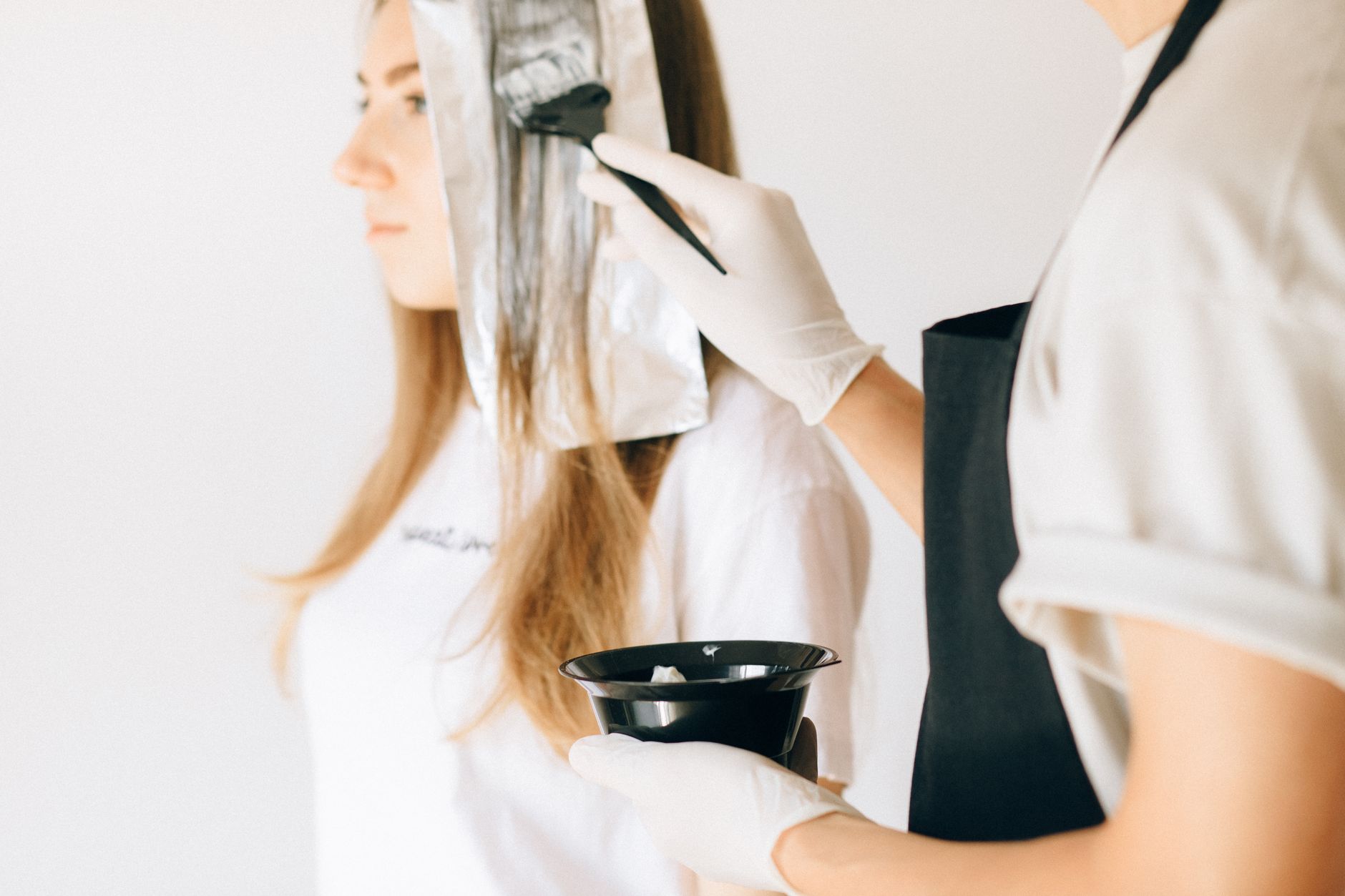
When it comes to hair care, especially in the realm of coloring, one common question that arises is whether developer expires. Developer, a key ingredient in many hair dye formulations, is crucial for ensuring that color adheres effectively to the hair shaft. Understanding its shelf life and proper handling can significantly affect your hair coloring results.
In this article, we will delve into the details of developer, including its components, how it works, when it expires, and what you need to know to maintain optimal performance. By the end, you’ll be equipped with practical tips for using and caring for your developer products effectively.
Does Developer Expire?
Yes, developer does expire. Most developers have a shelf life of about 3 years from the date of manufacture when stored correctly. Over time, the hydrogen peroxide in the developer can break down, reducing its effectiveness and rendering it less useful for hair coloring. Using expired developer can lead to uneven color results and may fail to lighten or color hair as intended.
Understanding Developer: What It Is and How It Works
Developer, also known as oxidizing agent or hydrogen peroxide, is an essential component in hair coloring and bleaching products. It works by opening the hair cuticle, allowing the color molecules to penetrate the hair shaft. Here’s a closer look at how it functions:
- Hydrogen Peroxide: The primary ingredient in developer, hydrogen peroxide, acts as a bleaching agent. When mixed with hair color, it helps to activate the dye and creates a chemical reaction that deposits the color in the hair.
- Volume Types: Developers come in different volumes (10, 20, 30, and 40) indicating the strength of the hydrogen peroxide. Lower volumes (10 and 20) are typically used for deposit-only colors, while higher volumes are for bleaching and lightening.
How Developer Affects Hair Color
The volume of developer you choose is crucial as it influences the outcome of the hair color:
- 10 Volume: Used for minimal lifting and is often used with demi-permanent color.
- 20 Volume: Most common for permanent hair color; provides up to 1-2 levels of lift.
- 30 Volume: Offers 2-3 levels of lift; recommended for lightening hair significantly.
- 40 Volume: A strong option that can lift up to 4 levels but should be used sparingly due to potential damage.
Signs Your Developer Has Expired
Knowing whether your developer has gone bad is crucial for achieving the best hair color results. Here are some signs that your developer may no longer be effective:
- Odor Change: Fresh developer should have a faint, chemical smell. If it smells off, sour, or unusual, it may have expired.
- Discoloration: If you notice that the color of the developer has changed (for example, from clear to yellow), it’s likely no longer good.
- Separation: If the solution appears cloudy or has layers that separate, it’s a sign of degradation.
- Weak Performance: If the expected results aren’t achieved—even with fresh hair color—this may indicate your developer is past its prime.
Proper Storage of Developer
To prolong the shelf life of your developer and ensure it remains effective, proper storage is key. Here are some tips:
- Cool, Dark Place: Store developer in a cool, dark place away from direct sunlight and heat sources, which can accelerate degradation.
- Tightly Sealed: Ensure the bottle is tightly closed to prevent exposure to air and moisture.
- Check Expiration Dates: Always be mindful of the expiration date printed on the bottle and replace it if it’s outdated.
Choosing the Right Developer for Your Hair
Selecting the appropriate developer for your hair coloring needs can be overwhelming, but understanding your hair type and desired results can help make the decision easier. Here’s how to choose:
- Hair Type: Consider the texture and condition of your hair. Fine or damaged hair may require gentler products, while thicker hair might be more resistant to color.
- Desired Lift: Align the volume of developer with your goals. If you aim for a subtle change, a lower volume is sufficient. For dramatic changes, a higher volume may be necessary.
- Color Choice: Different colors and formulations may specify a particular developer volume for optimal results. Always check manufacturer recommendations.
Practical Tips for Using Developer
To ensure the best results when working with developer, consider these practical tips:
- Mix Properly: Follow the ratio guidelines provided on your hair color and developer packaging for mixing. This ensures the right chemical balance for effective results.
- Perform a Patch Test: Always perform a patch test at least 48 hours before applying any color to ensure that you don’t have an allergic reaction.
- Work Quickly: Once mixed, apply the color and developer mixture promptly. Delays can affect the efficacy of the developer.
- Observe Timing: Adhere to the recommended processing time for the best outcome—over-processing can lead to damage and unpredictable results.
Common Mistakes to Avoid with Developer
When using developer, avoid these common mistakes that can hinder your coloring process:
- Using Expired Developer: Check your developer’s shelf life and avoid using it past its expiration date to prevent ineffective results.
- Incorrect Mixing Ratios: Failing to mix your developer correctly with the color can lead to poor results. Always follow package instructions.
- Ignoring Your Hair’s Needs: Failing to match the developer’s volume with your hair’s type and state can lead to damage or disappointing outcomes.
- Not Following Directions: Each product may have specific instructions for use. Skipping these can compromise the results.
How to Feel Confident When Coloring Hair at Home
Coloring hair at home can be a rewarding experience if done correctly. Here are a few tips to boost your confidence:
- Educate Yourself: Knowledge is power. Spend time understanding the coloring process, developer functions, and proper techniques.
- Gather Tools: Have all your tools readily available—mixing bowls, brushes, gloves, and capes—to streamline the process.
- Start Simple: If you’re a beginner, start with less complicated colors or techniques. Gradually work your way up to more complex styles.
- Document Your Process: Take notes or pictures as you go, so you can learn from any mistakes and replicate what works well next time.
Final Thoughts on Developer Expiration
Understanding the shelf life and storage of developer is crucial for anyone delving into the world of hair coloring. By being aware of the signs of expiration and how to store it properly, you can ensure that your efforts yield beautiful results. Always prioritize using fresh developer and mix it appropriately to maximize the effectiveness.
For your next hair coloring session, consider the insights shared in this guide to enhance your experience. Don’t let expired developer stand in the way of expressing your creativity with hair color.
If you’re interested in diving deeper into hair care and beauty, consider exploring more guides on related topics like Minoxidil Expiration and Developer and Bleach. These resources can further inform your hair care and coloring journey.