
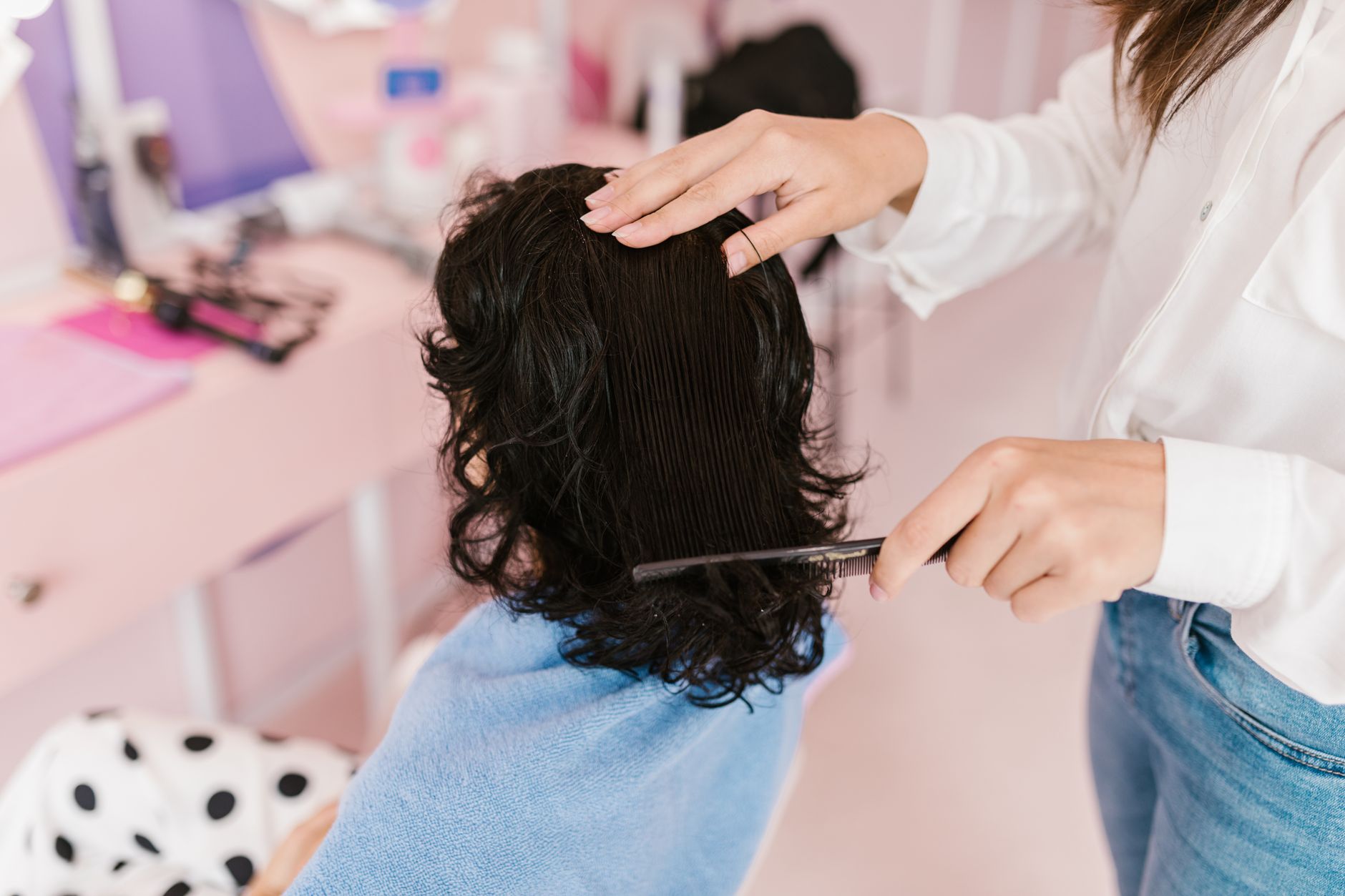
Many people consider perms as a way to add volume and texture to their hair, but there can be concerns about the potential damage to hair health. So, is getting a perm bad for your hair? This article aims to explore various aspects of perms, their effects on hair, and safety tips to help you make informed decisions.
A perm, or permanent wave, is a chemical treatment that alters hair’s natural structure by breaking and reforming the bonds within the hair shaft. While this can result in beautiful curls or waves, it’s essential to understand the implications for hair health and maintenance.
Is Getting a Perm Bad for Your Hair?
Getting a perm is not inherently bad for your hair, but it can lead to damage if not done correctly or if your hair is already compromised. The chemical process involved can weaken the hair structure, especially for individuals with already damaged or fine hair. Factors such as hair type, texture, and even the skill of the stylist play crucial roles in the outcome.
Understanding the Perm Process
To understand whether getting a perm is bad for your hair, it’s important to familiarize yourself with how the perm process works. Here’s a simplified breakdown:
- Preparation: Your hair is washed to remove any product buildup. This step is crucial as it allows the perm solution to penetrate effectively.
- Wrapping: Hair is divided into sections and wrapped around perm rods, determining the curl size and shape.
- Applying the Perm Solution: A chemical solution is applied that breaks the hair’s disulfide bonds, allowing it to take on a new shape.
- Setting Time: The solution is left on for a specific time to achieve the desired curl or wave.
- Neutralizing: A neutralizer is applied to reform the disulfide bonds in the new shape. This step is crucial for the longevity of the perm.
The Pros and Cons of Getting a Perm
Before deciding on a perm, it’s important to weigh the benefits against the potential drawbacks. Here are some pros and cons:
Pros
- Volume and Texture: Adds body and texture to otherwise straight hair, providing a fuller look.
- Versatility: Perms can be customized to create a variety of styles, from loose waves to tight curls.
- Long-Lasting Results: Unlike temporary hairstyles, a perm lasts for several months, saving you time on daily styling.
- Reduced Styling Time: The textured hair may require less styling, making your hair routine more manageable.
Cons
- Potential Damage: The chemicals used can weaken hair, especially if done on already damaged strands.
- Maintenance: Permed hair requires specific care and maintenance to remain healthy and beautiful.
- Cost: Professional perms can be expensive, and there may be additional costs for specialized products.
- Regrowth: As your hair grows, the roots will be straight while the ends remain curled, requiring touch-ups.
Who Should Avoid Getting a Perm?
While many choose to get perms without issues, certain individuals should think twice before proceeding:
- Recently Chemically Treated Hair: If you’ve had previous treatments (like coloring or using relaxers), wait until your hair has regained a healthy state.
- Fine or Weak Hair: If your hair is thin or has a history of breakage, perming can exacerbate those issues.
- Scalp Sensitivity: If you have a sensitive scalp, the harsh chemicals used in perms may cause irritation.
- Allergies: Be cautious if you have known allergies to any hair care products or chemicals.
Hair Types and Perm Suitability
The suitability of a perm can vary greatly depending on your hair type. Here’s how different hair textures respond:
Straight Hair
Straight hair can often benefit from a perm, as it adds volume and dimension. However, preparation and proper technique are crucial to avoid damage.
Wavy Hair
Wavy hair may hold a perm well, enhancing natural texture without much risk. A loose wave perm can create soft curls that are flattering and manageable.
Curly Hair
If your hair is already curly, consider a gentle perm method that defines or modifies curls rather than alters them. Over-processing can lead to excess frizz and damage.
Coarse or Thick Hair
Thicker hair can generally withstand the chemical process better, but it still requires care to prevent dryness or breakage after the perm.
Preparing for a Perm: Safety Tips
Preparation can greatly influence the outcome and health of your hair post-perm. Here are steps to take before you get a perm:
- Consult with a Professional: Speak to a stylist about your hair history, texture, and what you want from a perm.
- Perform a Patch Test: Always ask for a patch test for allergens to determine if the perm solution will irritate your scalp.
- Deep Condition: Preparing your hair with a deep conditioning treatment can help restore moisture and reduce damage.
- Avoid Other Treatments: Consider avoiding coloring, relaxing, or any other chemical services for a few weeks prior to your perm.
Post-Perm Care and Maintenance
After getting your perm, the right care is essential to maintain healthy hair. Follow these tips:
Immediately After
- Avoid Washing: Do not wash your hair for at least 48 hours post-perm to allow the curls to set properly.
- Do Not Use Heat: Refrain from using hot styling tools for at least a week to prevent damage.
Ongoing Maintenance
- Use Sulfate-Free Products: Opt for shampoos and conditioners designed for chemically treated hair to prevent stripping.
- Regular Conditioning: Incorporate deep conditioning treatments to hydrate the hair regularly.
- Limit Heat Styling: When styling, rely on lower heat settings and consider air drying to minimize damage.
- Regular Trims: Schedule trims every 6-8 weeks to remove split ends and maintain health.
Signs Your Hair Might Be Damaged Post-Perm
After getting a perm, be mindful of the condition of your hair. Look for these signs that indicate potential damage:
- Excessive Breakage: If you notice more hair than usual on your brush, it may be a sign of damage.
- Dryness or Brittleness: Stiff or dry strands are common indicators that hair is not retaining moisture well.
- Frizz: While some frizz is normal, excessive frizz can suggest weakened hair structure.
- Loss of Curls: If your curls start to fall flat prematurely, it may be time to adjust your care routine.
Alternative Options to Traditional Perms
If you are hesitant about the damaging effects of traditional perms, there are several alternatives to consider:
Digital Perms
Digital perms use heat in conjunction with the chemical process, often resulting in softer, more natural waves. This method typically causes less damage than traditional perms.
Temporary Waves
Styles that use hot rollers or curling irons can provide temporary curls without the long-term commitment or potential damage from chemicals.
Wave Enhancing Products
Using products like mousse or sea salt spray can enhance your natural waves without altering your hair’s integrity.
Final Thoughts on Getting a Perm
Whether getting a perm is bad for your hair depends on various factors, including your hair type, health, and the skill of your stylist. While the benefits of added volume and texture can be appealing, it’s crucial to weigh the pros and cons carefully and prioritize proper care.
If you decide to move forward with a perm, prioritize preparation and aftercare to maintain your hair’s health. By following these guidelines, you can enjoy beautiful curls while minimizing damage.
For those curious about the longevity of perms or costs, consider exploring our articles on how long perms last and the cost of getting a perm.