
When it comes to hair loss treatments, minoxidil has steadily gained popularity. This vasodilator has long been available in both topical and oral forms, leading to a common question: is oral minoxidil better than topical? In this article, we will explore both forms, their applications, effectiveness, safety, and practical tips to help you make an informed decision.
Hair loss can affect anyone, regardless of age or gender. Whether you’re dealing with androgenetic alopecia, alopecia areata, or thinning hair due to stress, selecting the right treatment is crucial. Both oral and topical minoxidil have their pros and cons, and understanding these can guide you towards the best choice for your needs.
Is Oral Minoxidil Better Than Topical?
While oral minoxidil may offer advantages in terms of systemic absorption and effectiveness for some individuals, topical minoxidil remains a safer option for many due to its localized action and fewer systemic side effects. The suitability of each form largely depends on individual circumstances and preferences.
Understanding Minoxidil
Minoxidil was initially developed as a medication for high blood pressure. However, its unexpected side effect of hair growth led to its use as a treatment for hair loss. The mechanism by which minoxidil promotes hair growth involves vasodilation, which increases blood flow to hair follicles. This enhanced circulation allows for better nourishment and stimulation of hair growth.
Forms of Minoxidil
Minoxidil comes in two primary forms: oral and topical. Let’s break down the unique characteristics of each form.
- Topical Minoxidil: Delivered as a liquid or foam, topical minoxidil is applied directly to the scalp. It’s most commonly available in 2% and 5% concentrations, specifically designed for localized treatment.
- Oral Minoxidil: Taken as a pill or tablet, oral minoxidil is absorbed systemically. It is used off-label for hair growth and can be more effective for certain types of hair loss but may carry additional risks.
Effectiveness: A Closer Look
Both forms of minoxidil serve the same purpose: promoting hair growth. However, their effectiveness may vary among individuals.
Topical Minoxidil
Topical minoxidil is typically the first line of treatment due to its accessibility and lower risk profile. It is designed for direct application to the scalp, allowing for targeted treatment of thinning areas.
- The most common brand, Rogaine, has established itself as a go-to for treating androgenetic alopecia.
- According to studies, 30 to 50% of users see results in hair regrowth after consistent use over several months. However, this can vary based on individual factors.
Oral Minoxidil
Research indicates that oral minoxidil can be highly effective for hair loss, particularly among people who do not respond well to topical treatments. Some studies report up to 70% of users experiencing noticeable hair regrowth after several months of use.
- The systemic absorption of oral minoxidil means it can influence hair follicles throughout the body, potentially leading to wider hair regrowth.
- Oral minoxidil may be beneficial for individuals suffering from conditions like alopecia areata, where localized treatment may not suffice.
Safety Considerations
Both forms of minoxidil can have side effects, and understanding these is essential for choosing the right treatment. Side effects may vary significantly between oral and topical applications.
Topical Minoxidil Side Effects
Topical minoxidil is generally well-tolerated, but some users may experience:
- Scalp irritation or itching
- Dryness or flaking of the scalp
- Unwanted facial hair growth if the product drips or spreads during application
Most side effects are mild and can often be managed by adjusting the dosage or frequency of application. If irritation persists, it’s best to consult a healthcare professional.
Oral Minoxidil Side Effects
While oral minoxidil can offer effective results, it carries a higher risk for side effects due to systemic absorption:
- Fluid retention
- Increased heart rate (tachycardia)
- Persistent low blood pressure
- Dizziness or lightheadedness
These side effects can be more serious, so it’s crucial to monitor your health closely and consult a physician when considering oral minoxidil, especially if you have underlying health conditions like heart disease or hypertension.
Who Should Consider Each Form?
The choice between oral and topical minoxidil should be based on individual circumstances, hair loss conditions, and treatment preferences.
Topical Minoxidil Best For:
- Individuals looking for a generally safer, first-line treatment option.
- Those with localized thinning areas on the scalp.
- People preferring non-systemic treatments to avoid potential side effects.
Oral Minoxidil Best For:
- Individuals with alopecia areata or more diffuse hair loss who may not respond to topical treatments.
- People who have tried topical minoxidil without satisfactory results.
- Those willing to monitor and manage potential systemic side effects under medical supervision.
How to Use Minoxidil Effectively
No matter which form of minoxidil you choose, proper application and consistent usage are crucial for maximizing results.
Application Tips for Topical Minoxidil
- Start with clean, dry hair and scalp.
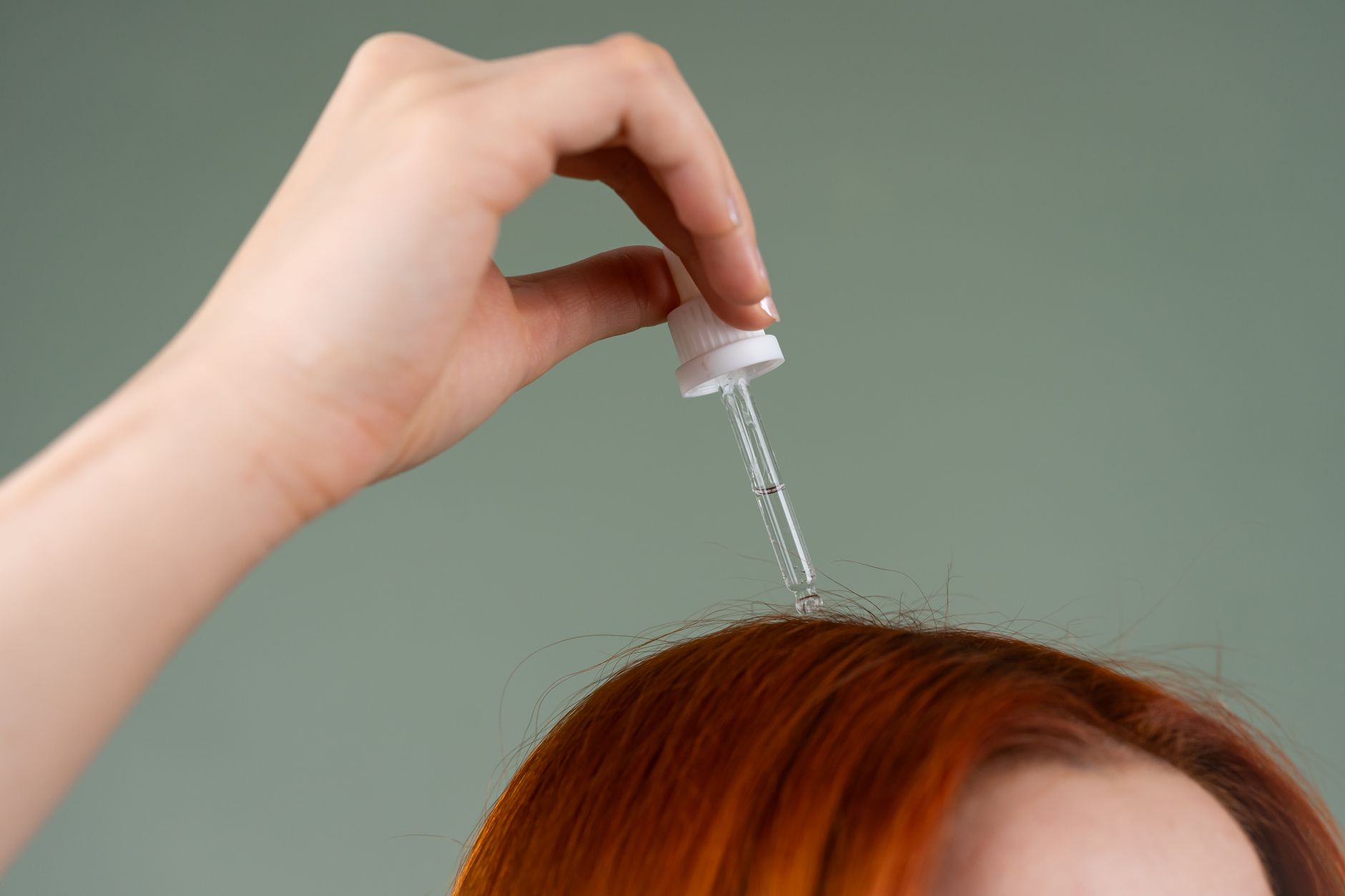
- Using the dropper or spray applicator, apply the recommended dose (usually 1 mL for the liquid or a quarter-sized amount for foam) directly to the scalp at the thinning area.
- Gently massage the product into the scalp without rubbing it in excessively.
- Wash your hands thoroughly after application to avoid accidentally spreading the product.
- Use twice daily for optimal results.
Using Oral Minoxidil
If your healthcare provider prescribes oral minoxidil, follow their instructions carefully. Typically, the regimen includes:
- Starting with the lowest effective dose (commonly 2.5 mg to 5 mg daily).
- Taking the medication consistently at the same time each day.
- Regularly monitoring your blood pressure and heart rate, especially during the initial weeks of treatment.
- Checking in with your healthcare provider to assess progress and any side effects.
Common Mistakes to Avoid
Many individuals make mistakes when starting minoxidil treatments. Here are some tips to avoid common pitfalls.
- Inconsistent Usage: Consistency is key when using minoxidil. Skipping applications can hinder progress.
- Over-application: Using more than recommended does not accelerate results and can increase the risk of side effects.
- Neglecting Side Effects: Pay attention to your body; if you experience unusual symptoms, consult a professional immediately.
- Expecting Immediate Results: Hair growth takes time, and most users won’t see results until after several months of consistent use.
Realistic Expectations for Hair Growth
Understanding what to expect can help manage your hair growth journey. While minoxidil can be effective, results vary significantly:
- With topical formulations, you might start noticing changes around 2-4 months, with significant results usually observed after 6-12 months.
- Oral minoxidil may yield results within a similar timeframe; however, individual responses will vary based on factors such as the cause of hair loss and overall health.
Tips for Successful Hair Regrowth
Incorporating other healthy hair practices can also support your hair regrowth efforts.
- Maintain a Balanced Diet: Nutrient-rich foods contribute to hair health. Include proteins, vitamins, and minerals that support hair growth.
- Avoid Stress: Chronic stress can contribute to hair loss. Practice relaxation techniques such as meditation, yoga, or regular exercise.
- Medical Consultations: Regularly check in with your healthcare provider to assess your treatment regimen and any ongoing concerns.
- Product Knowledge: Be aware of any hair care products you use alongside minoxidil, as some may interfere or cause irritation.
Conclusion
The debate of whether oral minoxidil is better than topical minoxidil boils down to personal preference, medical history, and specific hair loss conditions. What works for one person may not work for everyone. While oral minoxidil may be more effective for some, topical minoxidil remains a solid and safer choice for many. Always consult with a qualified healthcare provider before initiating treatment to determine the best route for your individual needs.
For further reading, you may want to explore how to apply minoxidil properly or dive deeper into how minoxidil works in promoting hair growth. Each guide can provide valuable insights and improve your understanding and experience with hair care treatments.