
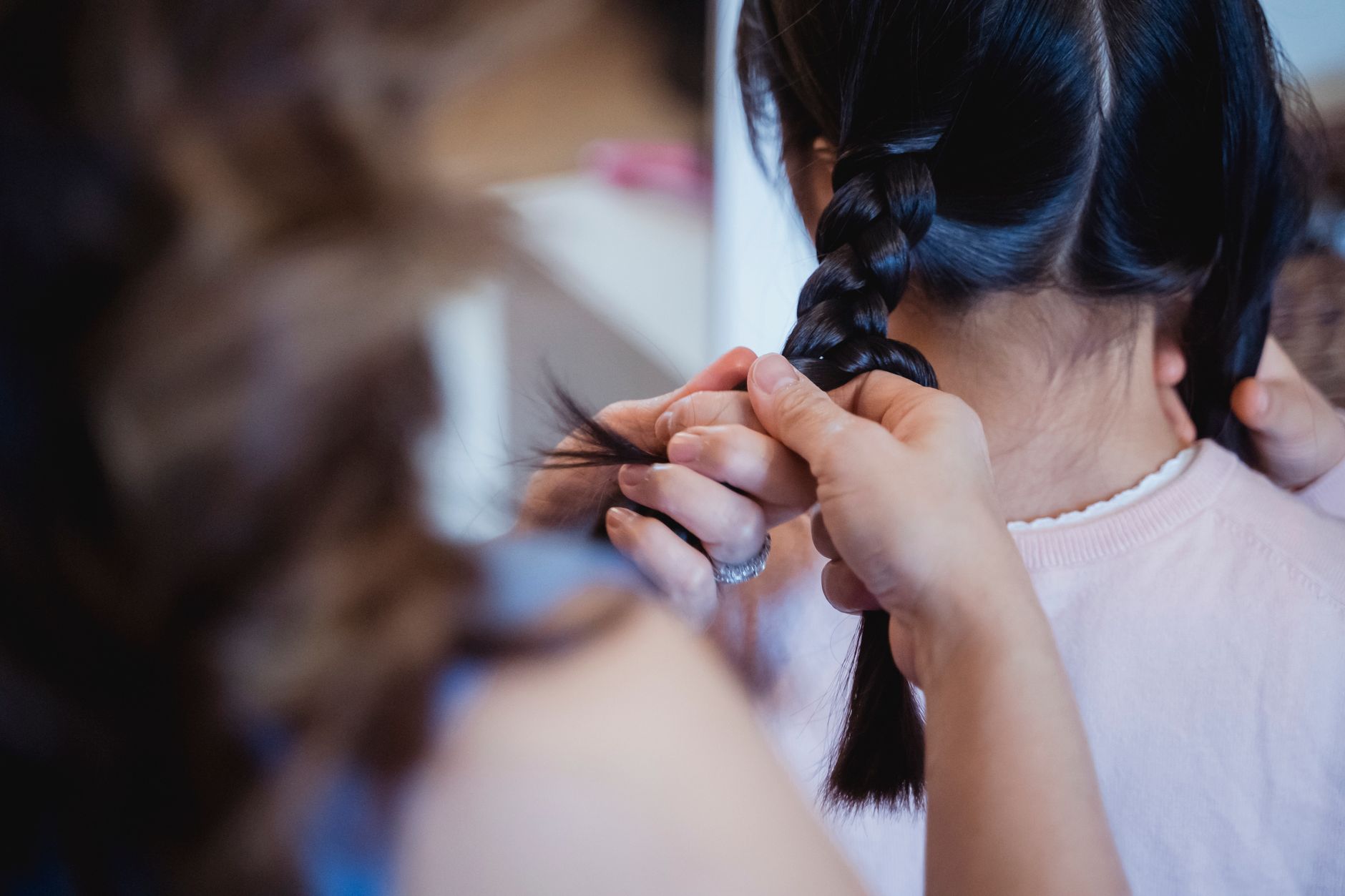
Learning how to do braids can elevate your hairstyling game, whether you’re looking for a simple everyday look or a glamorous updo. Braiding is an art form that connects cultural heritage and personal expression. In this guide, we’ll break down the basics of braiding, share an easy tutorial, and offer pro tips to help you master this technique in no time.
Throughout this article, we’ll explore different types of braids, tools needed, and common mistakes to avoid. Whether you have straight, curly, or textured hair, there’s a braid style for everyone. Grab your comb and let’s get started!
What Are Braids and Why Should You Learn Them?
Braids are a method of intertwining three or more strands of hair to create a woven effect. They serve various purposes, including decorative styles, protective hairstyles, and practical solutions for keeping hair managed. Learning how to braid can open the door to countless hairstyles and give you the skills to express your unique style.
How Do I Do Braids as a Beginner?
To answer the question, “How do I do braids?” let’s outline the basic steps. We’ll start with the classic three-strand braid, which is the foundation for many styles.
Tools You Will Need
- Hairbrush or comb
- Hair ties or elastics
- Hair clips (optional for sectioning)
- Hairspray (optional for control)
- Moisturizing hair serum or cream (optional)
Step-by-Step Guide to Creating a Classic Three-Strand Braid
- Prepare Your Hair: Start with clean, dry hair. Brush through your hair to remove any tangles. If your hair is slippery, applying a bit of hair serum can provide some grip.
- Section the Hair: Gather the hair into one ponytail to keep it manageable. If you are braiding a small section, you may use hair clips to separate the part you’re not braiding.
- Divide into Three Strands: Take the ponytail and divide it into three equal sections. Hold one section in each hand, and let the third strand hang in the middle.
- Start Braiding: Cross the right strand over the middle strand. The right strand now becomes the middle strand.
- Repeat: Next, take the left strand and cross it over the new middle strand (the right strand you just crossed). This continues until you reach the end of your hair.
- Secure the Braid: Once you reach the end of the strands, secure the braid with a hair tie to prevent it from unraveling.
- Finishing Touches: Gently pull on the sides of the braid to loosen and add volume, if desired. You can also apply a light mist of hairspray for added hold.
Types of Braids to Explore
As you become comfortable with the basic braid, consider exploring other styles. Below are a few popular braid types you may want to try:
1. French Braid
The French braid is a classic style that adds elegance to your look. It involves gradually incorporating more hair strands as you braid down. It’s a great protective style for long hair and can look sophisticated even when casual.
2. Dutch Braid
Often referred to as an inside-out braid, the Dutch braid stands out from the scalp. The process is similar to the French braid, but you’ll cross the strands under instead of over. This braid creates a raised appearance and a pronounced visual effect.
3. Fishtail Braid
The fishtail braid is modern and youthful, providing a different texture and style. To create a fishtail, divide the hair into two sections and take a small strand from the outer edge of one section and bring it over to the other section, alternating sides until you reach the end.
4. Box Braids
Box braids are a versatile protective style, typically created by sectioning hair into squares or rectangles, then braiding each section. This style can last for weeks and can be very intricate, allowing for creativity in color and size.
5. Crown Braid
The crown braid wraps around the head like a crown, creating an enchanting look. It often involves two French braids or Dutch braids, pinned at the crown’s base. This style is ideal for longer hair and works beautifully for formal occasions.
Pro Tips for Perfect Braids
To master the art of braiding, consider these professional tips:
- Practice With Different Textures: Practice braiding with various hair types and textures. Curly hair may require different techniques than straight hair, especially in terms of tension and hold.
- Sectioning is Key: Use clips to section your hair for easier management. Proper sectioning helps prevent tangling during the process.
- Stay Tension-Wise: Keep an even tension throughout the braid for a polished look. Too much tension can lead to breakage, while too little may make the braid look sloppy.
- Experiment with Accessories: Add ribbons, beads, or other accessories to your braids for a playful touch. This can make even a simple braid look special.
- Secure Tightly: When securing the braid with a hair tie, make sure it’s tight enough to keep the braid intact but not too tight to cause discomfort.
Common Mistakes and How to Avoid Them
Even the best braiders make mistakes. Here are some common pitfalls and tips on how to avoid them:
- Tangled Hair: Always start with detangled hair. Use a brush or comb to smooth out knots before you begin braiding.
- Ineven Strands: Ensure that the strands are equal in size before starting. Uneven sections can lead to lopsided braids.
- Too Much Hair Added: When adding hair to French or Dutch braids, avoid taking too much at once. This can make the braid bulky and difficult to manage.
- Forgetting to Secure Properly: Always double-check that your hair tie is secure before loosening the braid. A loose tie can unravel your hard work.
Maintaining Your Braided Styles
Once you’ve created a beautiful braid, proper maintenance is key to keeping it looking fresh.
General Maintenance Tips
- Keep Hair Clean: If wearing braids, maintain a clean scalp by washing your hair regularly, but avoid over-washing, which can strip moisture.
- Moisturize: Apply moisturizing oils or serums periodically to keep both your hair and scalp hydrated.
- Avoid Heavy Products: Avoid heavy styling products that can build up on your braids. Light gels and oils are best.
- Time Between Styles: Give your hair a break between braiding styles to reduce stress and promote overall health.
Conclusion
Learning how to braid can elevate your hairstyling capabilities and provide practical solutions for hair management. With practice, patience, and the right techniques, you’ll soon be able to create a variety of beautiful braided styles. Remember to experiment and find what works best for your hair type and desired look.
If you’re ready to expand your hairstyling repertoire, consider exploring different braiding techniques like the French braid or even how to braid your own hair. There’s a world of creativity waiting for you!