
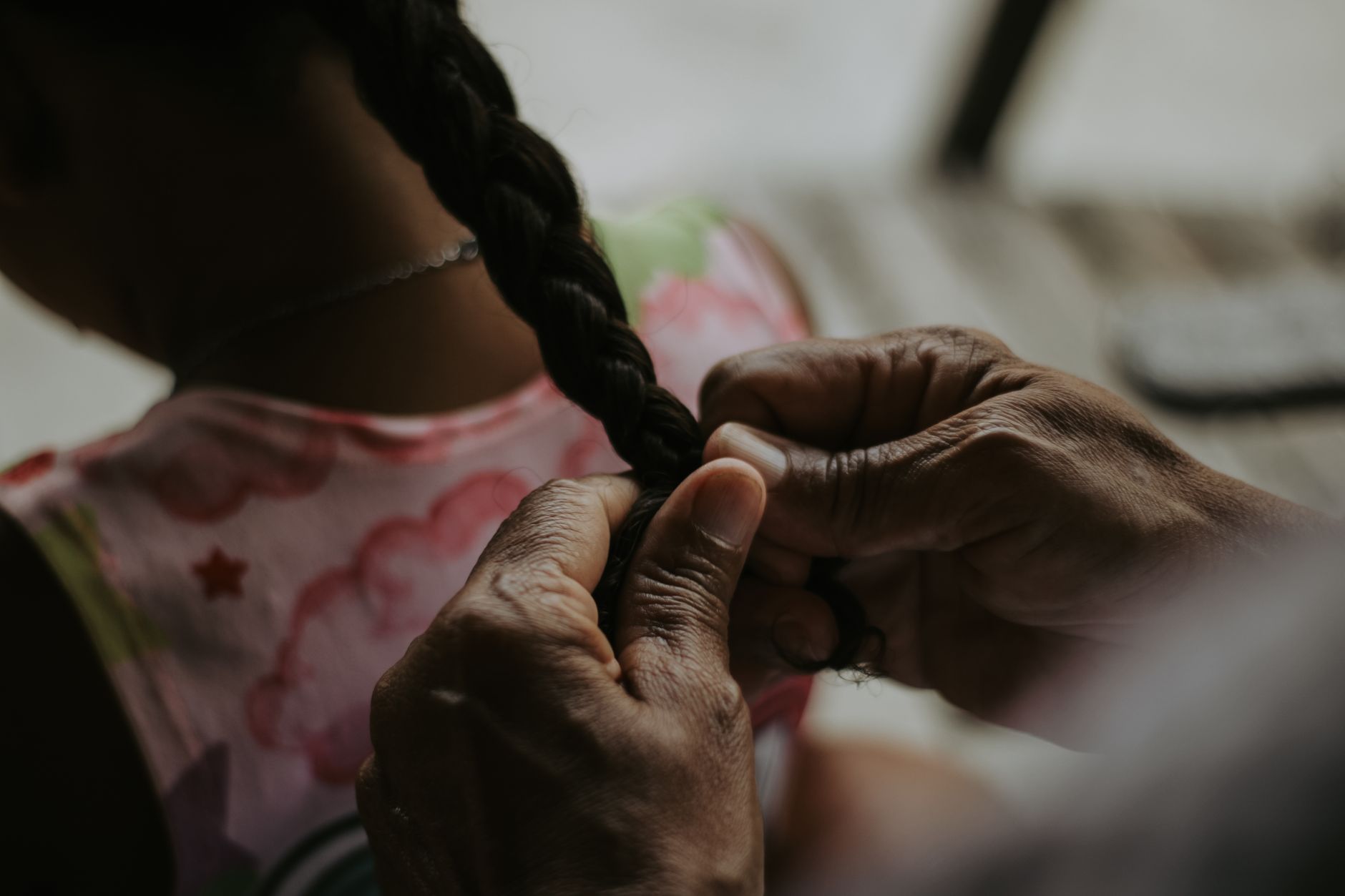
Braiding your own hair can be both a fun and practical skill to learn. Whether you want to keep your hair out of your face, express your personal artistic style, or simply add a touch of elegance to your look, mastering braiding techniques is a worthwhile endeavor. This guide will walk you through beginner steps and essential techniques to help you achieve beautiful braids.
With practice and the right techniques, you’ll be able to create a range of styles, from simple three-strand braids to intricate designs. Let’s explore the process of braiding your own hair through easy-to-follow instructions and tips.
How to Braid Your Own Hair?
To braid your own hair, you need the right techniques and a bit of practice. Start with the basic three-strand braid, focusing on even tension and smoothness. Choose a comfortable hairstyle, section your hair properly, and follow the techniques provided. As you become more comfortable, you can experiment with different styles and braiding techniques.
Essential Tools Needed for Braiding
Before you start braiding, it’s useful to gather some tools that will make the process easier and more efficient. Here’s a basic checklist:
- Brush or comb: To detangle your hair and achieve smooth sections.
- Hair ties: To secure the ends of your braid and keep your style intact.
- Hair clips: To hold back any sections of hair that are not being braided.
- Water or styling spray: A little dampness can help manage frizz and make the hair easier to manipulate.
- Hair accessories: Optional decorative elements like ribbons, beads, or clips to embellish your braid.
Basic Steps for Braiding Your Own Hair
Step 1: Prepare Your Hair
Start with clean, dry hair that is free from knots. If your hair tends to be unruly, you may consider dampening it slightly with water or a lightweight styling spray to assist with manageability.
Step 2: Section Your Hair
Using your comb or brush, create sections where you want to braid. For a simple three-strand braid, gather your hair at the nape of your neck or on the side, depending on your preferred style.
Step 3: Divide Hair into Three Strands
Once you have gathered your hair, divide it into three equal strands. Hold one strand in your left hand, one in your right hand, and the middle strand with your fingers in between.
Step 4: Start Braiding
- Take the right strand and cross it over the middle strand.
- Now take the left strand and cross it over the new middle strand (which was formerly the right strand).
- Repeat this process: right over middle, left over middle, and so on.
Ensure to keep even tension while braiding to avoid any lumps or unevenness. Continue this motion until you reach the end of your hair.
Step 5: Secure the Braid
Once you’ve reached the ends of your hair, use a hair tie to secure your braid in place. Make sure it’s tight enough to hold but not so tight that it causes discomfort.
Step 6: Adjust and Style
Gently pull on the outer edges of the braid to loosen it slightly for a more relaxed look. This step is optional, depending on how tight you prefer your braid. Additionally, you can accessorize with clips or ribbons if desired.
Variations of Braids to Try
Once you feel comfortable with the basic three-strand braid, you may want to experiment with different styles. Here are a few popular braid variations you can try:
French Braid
The French braid starts at the top of the head and incorporates more hair as you go down. Here’s a simple guide:
- Begin by taking a section of hair at the top center of your head and dividing it into three equal strands.
- Start braiding by crossing the right strand over the middle, then the left over the new middle.
- As you continue braiding, add small sections of hair from the sides into the braid, ensuring to keep the tension even.
- Continue to the ends, then secure with a hair tie.
This technique takes practice but results in a beautifully intricate design that lays flat against the head.
Fishtail Braid
The fishtail braid is visually striking and easier than it looks. Here’s how to create it:
- Start by dividing your hair into two equal sections.
- Take a small strand from the outer edge of one section and cross it over to the other section.
- Repeat this process on the other side, alternating sides until you reach the end.
Loosen the braid for added texture if desired.
Boxer Braids
Boxer braids, often seen in athletic contexts, are essentially two tight French braids that run parallel along either side of the head. Here’s how to do them:
- Section clean hair down the middle.
- Begin braiding one side using the French braid method.
- Repeat on the other side.
These braids are practical for workouts and have become a trendy style.
Waterfall Braid
This beautiful braid allows some strands to fall freely, giving a unique, flowing appearance. Here’s how to create one:
- Begin with a section of hair at the front and divide it into three strands.
- Start a normal braid but let the bottom strand drop and replace it with a new section of hair from below.
- Continue this across the back of your head, letting strands fall freely.
This style is lovely for weddings and formal events.
Tips for Braiding Success
Mastering the art of braiding takes practice, but here are some additional tips to help you succeed:
- Practice regularly: The more you braid, the more comfortable you will become with your technique.
- Use a mirror: Position a handheld mirror alongside a wall mirror to see the back of your head if you’re braiding on your own.
- Adjust the tension: Be mindful of how tight or loose you braid. Too tight can lead to discomfort and damage, while too loose can cause your braid to fall apart.
- Watch tutorials: YouTube and other platforms can provide visual guidance, making it easier to replicate techniques.
- Be patient: Don’t rush the process. Allow yourself time to learn and improve your skills.
Common Mistakes to Avoid
When learning how to braid, it’s normal to encounter some hiccups along the way. Here are some common mistakes and how to fix them:
- Uneven Sections: If your braid looks lopsided, ensure that you are dividing your hair into equal sections at the start.
- Too Much Tension: Braiding too tightly can lead to breakage. Focus on a comfortable tension that keeps your braid secure without pulling on your scalp.
- Missing Strands: When you’re braiding, make sure to include all hair in each section. If you find that your braid is falling apart, review your technique to ensure you’re consistently adding strands.
- Forgetting to Secure: Always use a hair tie to secure the end of your braid, preventing it from unraveling.
Caring for Braided Hair
Once you’ve mastered your braid, it’s essential to maintain the health and integrity of your hair. Here are some tips for caring for your hair while braided:
- Moisturize: Keep your hair hydrated with leave-in conditioners or oils, especially if your braids will be worn for an extended time.
- Keep it clean: Maintain cleanliness by regularly washing your scalp and using dry shampoo if needed.
- Minimize wear time: Avoid leaving braids in for too long to prevent damage and breakage.
- Be gentle when removing: Use care when taking out your braids to avoid tangles and breakage.
Enhancing Your Braids with Accessories
Accessories can elevate your braided styles and make them stand out. Here are some ideas:
- Ribbons: Weave ribbons into your braids for a vibrant touch.
- Beads: Add beads at the ends of your braids for a playful look.
- Hairpins: Use decorative hairpins to secure your braid or add flair.
- Flowers: Incorporate fresh or artificial flowers for a boho-chic vibe.
Summary
Braiding your own hair is a delightful skill that opens up a world of creativity. With basic techniques and practice, you can easily master several styles ranging from the simple three-strand braid to complex styles like the French and waterfall braids. Remember to use the right tools, be patient, and take good care of your hair for the best results.
Start with the basic techniques and gradually try more complicated styles as you gain confidence. Don’t forget that like any skill, mastering braiding takes time and practice.
If you’re interested in further expanding your hair skills, check out our guides on how to French braid and how to cut your own hair. Happy braiding!