
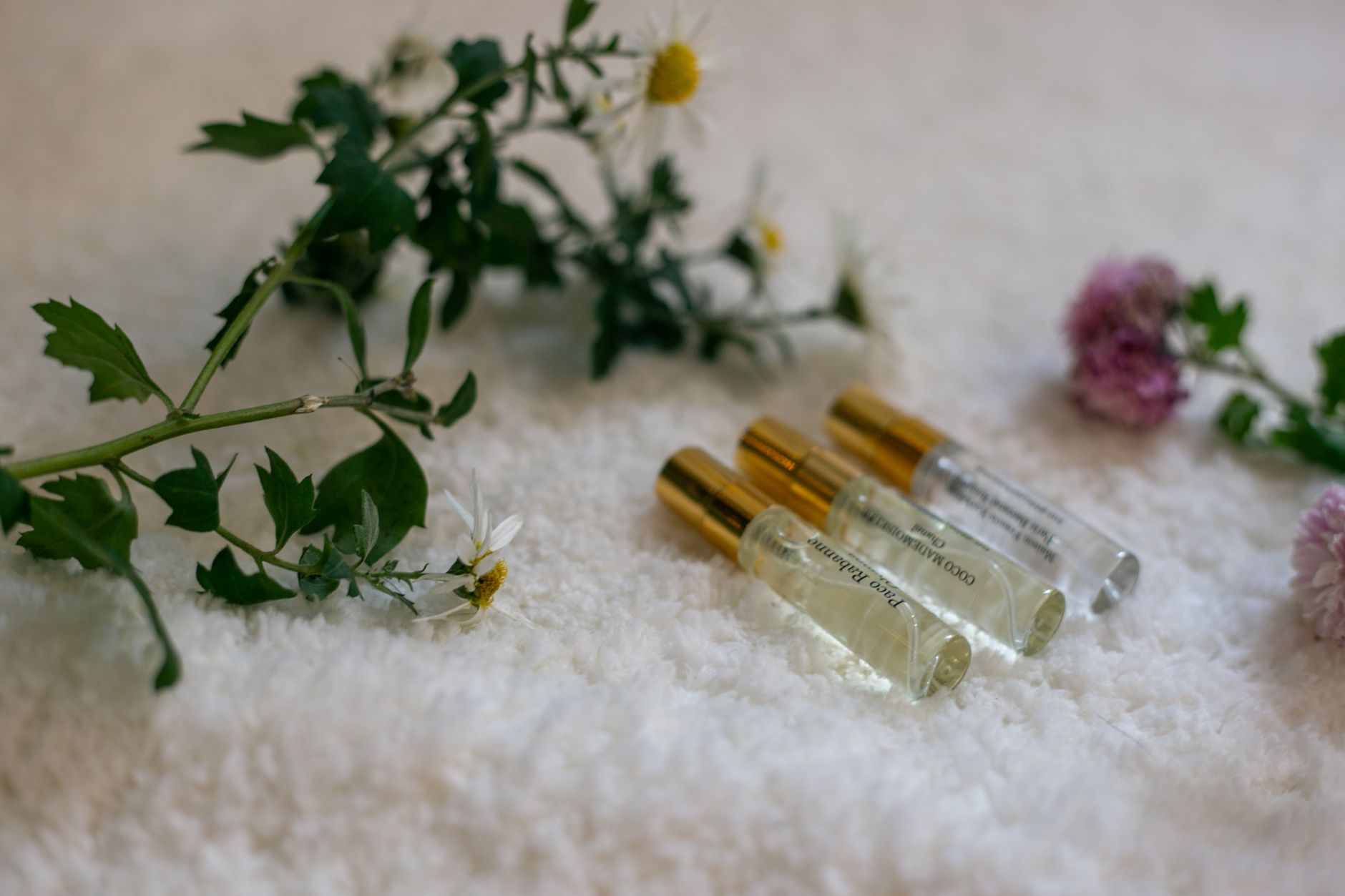
When it comes to fragrance, many people often wonder, “Does cologne expire?” Just as with food and skincare products, cologne has a shelf life that can impact its scent and effectiveness. Understanding the lifespan of cologne, the signs of expiration, and proper storage methods can help you maintain your favorite scents for as long as possible.
This article will explore the details surrounding cologne expiration, including how long it typically lasts, signs it may have gone bad, and the best practices for storing your fragrances to extend their longevity.
Does Cologne Expire?
Yes, cologne does expire. However, the duration of its usability can vary based on several factors, including the type of fragrance, its ingredients, and how it is stored. While most colognes can last anywhere from three to five years, some high-quality perfumes may last longer if kept under optimal conditions.
The Shelf Life of Cologne
The shelf life of cologne is influenced by its composition. Fragrances are typically composed of a mix of essential oils, alcohol, and other components. The main factors that affect their longevity include:
- Concentration: Higher concentration fragrances, like perfumes and extrait de parfums, tend to last longer than lighter forms such as eau de toilette or colognes due to their higher oil content.
- Ingredients: Natural ingredients can deteriorate faster than synthetic components. Fragrances with more natural ingredients may have shorter shelf lives.
- Packaging: Dark glass bottles protect fragrances from light, which can degrade the scent. Additionally, airtight caps prevent oxidation.
Typical Lifespan of Different Fragrance Types
Understanding the typical lifespan of various fragrance types can help you manage your collection effectively. Here’s an overview:
| Fragrance Type | Typical Lifespan |
|---|---|
| Eau de Cologne | 3 years |
| Eau de Toilette | 3 to 5 years |
| Eau de Parfum | 4 to 7 years |
| Parfum/Extrait de Parfum | 5 to 10 years |
Signs That Cologne Has Expired
Knowing the signs of expired cologne can prevent you from using a fragrance that has lost its charm. Here are common indicators that your cologne might be past its prime:
1. Change in Scent
The most noticeable sign of expired cologne is a change in smell. A pleasant fragrance may take on a sour or musty odor as it deteriorates.
2. Color Change
Examine the color of the cologne. If it has darkened or changed significantly from its original hue, this could indicate oxidation and a decline in quality.
3. Sediment or Particles
If you notice any sediment or floating particles in the bottle, this could be a sign that the fragrance has begun to break down.
4. Evaporation or Reduced Volume
Excessive evaporation can occur if the bottle is not tightly sealed or if it’s stored in a warm area. If you notice the fragrance level dropping quickly, it could be a sign of age.
How to Store Cologne for Longevity
Proper storage is crucial to extending the shelf life of your cologne. Consider these guidelines for optimal preservation:
1. Keep it Cool
Store your cologne in a cool, dark place, away from direct sunlight and heat sources. Temperature fluctuations and light exposure can cause chemical reactions in the fragrance that compromise its quality.
2. Use the Original Packaging
Whenever possible, keep your cologne in its original box or container to protect it from light and temperature changes. If the bottle is opaque, it can help prevent degradation.
3. Avoid Bathrooms
Although it may seem convenient, avoid storing cologne in bathrooms due to the humidity and temperature fluctuations from showers, which can negatively affect the fragrance.
4. Seal Tightly
Ensure the cap is tightly closed after each use. This helps prevent oxidation and keeps the scent intact for a longer period.
5. Limit Air Exposure
Minimize the amount of air that enters the bottle by not over-filling it. If you have a large bottle, consider decanting a small amount into a travel-sized bottle for daily use.
Tips for Choosing Quality Colognes
Selecting high-quality cologne to begin with can enhance your fragrance experience and longevity. Here are some tips for choosing the right scents:
- Research Brands: Look for reputable brands known for their quality ingredients. Niche perfumers often prioritize the integrity and longevity of their products.
- Check Ingredients: Study the ingredients list, and opt for fragrances with a higher concentration of essential oils.
- Try Samples: Before committing, purchase samples to ensure the scent suits you over time.
- Store Wisely: Choose fragrances that come in opaque or dark glass bottles that protect against light damage.
Creative Ways to Repurpose Expired Cologne
If you discover that your cologne has expired and is no longer wearable, you don’t necessarily have to throw it away. Consider these creative repurposing ideas:
1. Home Fragrance
Expired cologne can be used as a home fragrance. Use it in a diffuser or mix it with water in a spray bottle for a refreshing room spray.
2. Scented Candles
Add used cologne into homemade candles for a personalized scent experience. The fragrance will infuse your living space when burned.
3. DIY Scented Bath Products
Create soothing bath products by incorporating expired cologne into bath salts or bath oils for a fragrant experience in your bath.
Common Mistakes to Avoid with Cologne
- Storing in Sunlight: Never display your cologne in direct sunlight or brightly lit areas. It can dramatically shorten its lifespan.
- Overuse of Samples: While trying samples, too much exposure to air can lead to degradation. Keep the remaining sample sealed until you’re ready to use it.
- Frequent Temperature Changes: Avoid placing your cologne in spots where it might be exposed to temperature fluctuations, like near heaters or on windowsills.
Recognizing Quality Colognes: What to Look For
When investing in fragrances, recognizing quality can make a significant difference. Here are some indicators to consider:
- Ingredients Transparency: High-quality brands often list their ingredients clearly. This transparency shows a focus on quality.
- Chemical Composition: Avoid fragrances with excessive synthetic compounds—look for familiar scents from natural origins.
- Brand Reputation: Choose established brands known for their craft and dedication to producing long-lasting fragrances.
Conclusion
Understanding whether cologne can expire, how to recognize the signs of expiration, and storing it properly can ensure that your favorite scents remain aromatic and enjoyable. Always opt for quality fragrances, practice proper storage, and maintain awareness of expiration signs to keep your scent collection in top shape for years to come.
For more insights on fragrance care and beauty routines, explore guides on selecting the perfect scents, tips for effective fragrance layering, or the art of layering your daily skincare products.