
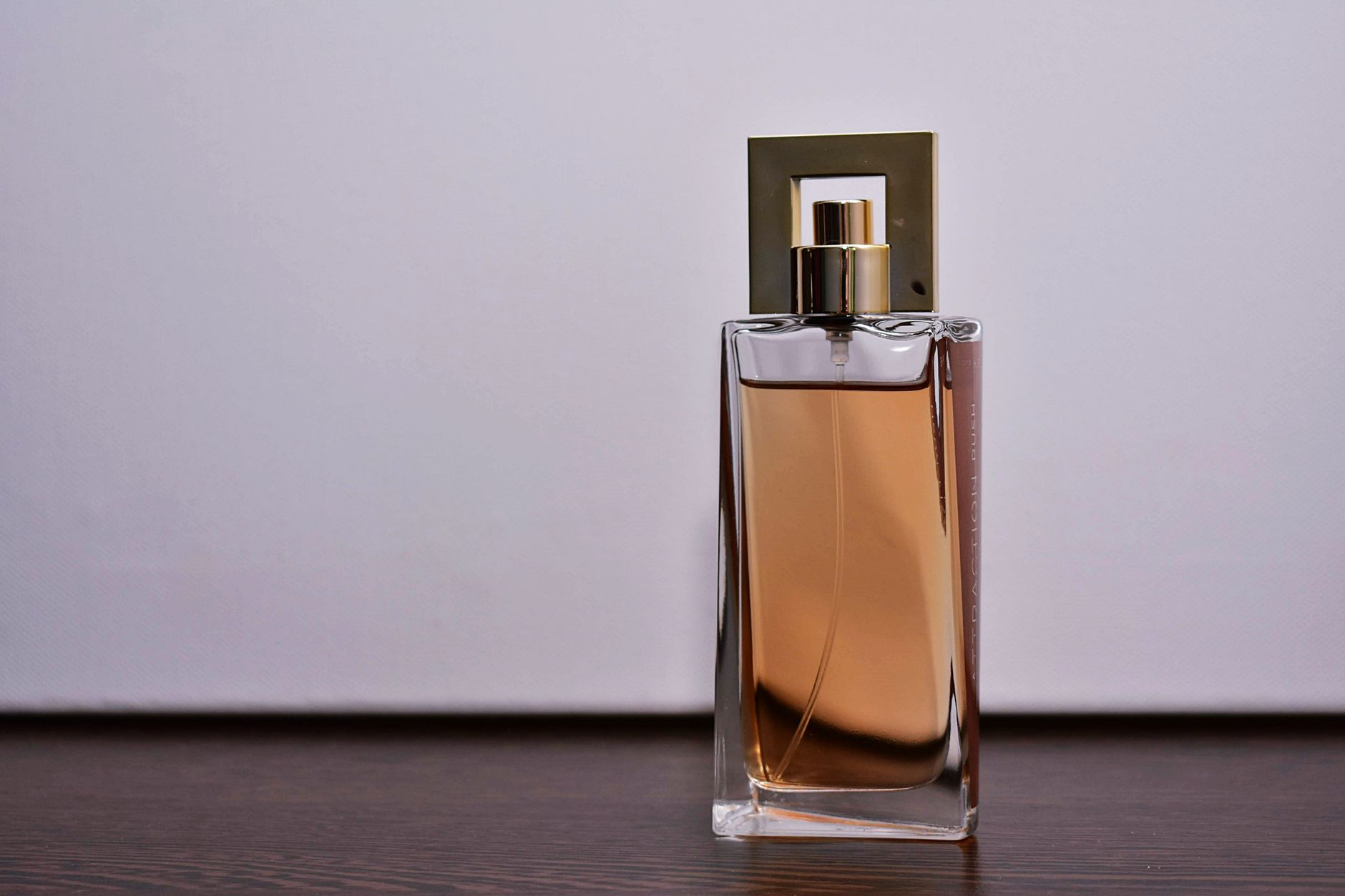
Understanding fragrance terminology can be quite confusing, especially when there are multiple types of scents available. Among these, “Eau de Toilette” is a popular term that frequently comes up. Knowing what Eau de Toilette means can enhance your fragrance selection and application, ensuring you choose products that suit your preferences and needs.
This article will explore the meaning of Eau de Toilette, its concentration, scent profiles, and how it differs from other fragrance types. By the end, you will be equipped with the knowledge to make informed decisions when shopping for fragrances.
What Does Eau de Toilette Mean?
Eau de Toilette translates to “water of the toilet” in French. In the context of fragrance, it refers to a specific concentration of perfume oils mixed with alcohol and water. Generally, Eau de Toilette contains 5% to 15% perfume oil concentration. This makes it lighter than other types of fragrances but more substantial than body mist.
Tradition has it that Eau de Toilette was originally used as a functional scent to refresh and cleanse oneself, making it an everyday option. It’s ideal for those who prefer a lighter fragrance for casual wear or want to layer different scents.
Understanding Concentration Levels in Fragrances
Fragrance concentrations tell you about the strength and longevity of a scent. The higher the concentration of perfume oils, the stronger and longer-lasting the fragrance typically is. Here’s a breakdown of the most common types of fragrance concentrations:
- Eau de Cologne: Contains 2% to 5% perfume oils. It is the lightest of all perfume types and is often used for a quick refresh.
- Eau de Toilette: Contains 5% to 15% perfume oils. This is suitable for everyday wear and usually lasts about 3 to 5 hours.
- Eau de Parfum: Contains 15% to 20% perfume oils. These fragrances last longer, typically 4 to 8 hours.
- Parfum (Extrait de Parfum): Contains 20% to 30% perfume oils. It is the longest-lasting and strongest type, lasting up to 24 hours.
Scent Profiles of Eau de Toilette
The scent of an Eau de Toilette can vary widely, as it can come in a multitude of fragrance families. Here are some of the most common scent families and the types of individual notes typically found in Eau de Toilette formulations:
Floral Scents
Florals are one of the most popular fragrance families. Eau de Toilette in this category can feature individual notes like rose, jasmine, lily, or peony, making them perfect for daytime wear.
Citrus Scents
Citrus fragrances often encompass notes like lemon, grapefruit, and bergamot. These scents are refreshing and ideal for warmer weather or casual outings.
Fruity Scents
Fruity Eau de Toilette may include notes of apple, peach, or berry. They provide a sweet and playful aroma that is popular for younger audiences.
Woody Scents
Woody fragrances often incorporate notes like sandalwood, cedarwood, or vetiver, giving a more earthy and grounded scent. These are often loved for evening wear or colder months.
Spicy Scents
These fragrances can include notes such as cinnamon, clove, and pepper, offering a warm and intimate scent that many enjoy during the fall and winter seasons.
When to Use Eau de Toilette
Given its moderate concentration, Eau de Toilette is suitable for various occasions. Here’s when you might choose an Eau de Toilette over other fragrance types:
- Everyday Use: Ideal for casual outings and work, providing a lighter scent that is not overwhelming.
- Layering: When combined with other fragrances or scented products, Eau de Toilette can enhance your overall scent profile without clashing.
- Seasonal Changes: Perfect for spring and summer when lighter scents tend to be more appealing.
How to Apply Eau de Toilette
Application technique can significantly influence how a fragrance develops and lasts throughout the day. Here are some practical tips for applying Eau de Toilette:
- Identify Pulse Points: Apply the fragrance to areas where your body produces heat, like the wrists, neck, or behind the ears. This helps to amplify the scent.
- Spray from a Distance: Hold the bottle approximately 5 to 7 inches away from your skin. This ensures an even distribution.
- Avoid Rubbing: After applying, allow the fragrance to settle naturally rather than rubbing it in, which can alter the scent.
- Reapply as Needed: Since Eau de Toilette usually lasts a few hours, you might want to carry it with you for a midday refresh.
Choosing the Right Eau de Toilette for You
Selecting the right Eau de Toilette involves understanding your personal preferences and lifestyle. Here are some factors to consider:
- Fragrance Family: Determine which scent profile resonates with you — floral, citrus, fruity, woody, or spicy.
- Occasion: Consider when you will be wearing the fragrance. Some scents may be more suitable for daywear, while others are better for evening occasions.
- Skin Type: Oily skin can enhance fragrances, making them last longer, while dry skin may cause scents to fade more quickly. Choose accordingly.
- Time of Year: Different seasons often call for different scents. Lighter fragrances are generally preferred in warmer months, while deeper scents work well in colder seasons.
Common Mistakes When Using Eau de Toilette
Even experienced fragrance lovers can make mistakes when it comes to applying Eau de Toilette. Here are some common pitfalls and how to avoid them:
- Over-Application: Applying too much fragrance can be overwhelming. Start with a light spray and add more if necessary.
- Ignoring Layers: Overlooking how various scents interact can lead to a mismatched aroma. Test scents together before committing.
- Not Considering Skin Chemistry: Fragrances can smell different on the skin than in the bottle due to individual body chemistry. Always test a fragrance on your skin before purchasing.
- Storage Issues: Fragrances can deteriorate if exposed to direct sunlight or extreme temperatures. Store them in a cool, dry place.
Signs of Irritation from Fragrance Use
While most people can wear fragrances without issue, some may experience irritation. Here are signs to watch for:
- Redness or Rashes: If you notice any redness on your skin where the fragrance was applied, discontinue use.
- Itching or Burning: Any sensation of irritation can indicate that the fragrance is not suitable for your skin type.
- Headaches: Some individuals may be sensitive to strong fragrances, which can lead to headaches. Consider opting for lighter scents.
Maintaining Your Eau de Toilette
Proper care can ensure your Eau de Toilette remains effective. Here are some tips:
- Keep it Cool: Store fragrances away from direct sunlight and heat sources to prolong their shelf life.
- Secure the Cap: Always ensure the cap is tightly closed to minimize exposure to air, which can degrade the fragrance.
- Avoid Bathrooms: Bathrooms can have fluctuating temperatures and humidity, which is not ideal for fragrance storage.
Alternative Fragrance Types to Explore
If you enjoy Eau de Toilette, you may also want to explore other options. Here are some alternatives:
- Eau de Parfum: If you’re looking for something that lasts longer, consider trying an Eau de Parfum.
- Body Sprays: For a very light and refreshing scent, body sprays are a great alternative, often with a lower concentration.
- Essential Oil Blends: If you’re interested in natural scents, essential oils can be used for a more personalized aroma.
Conclusion
Eau de Toilette is a versatile and approachable fragrance option for everyday use. Understanding its concentration, scent profiles, and proper application techniques can help you make smarter choices when it comes to selecting a fragrance. Whether you prefer light floral notes for daytime or deeper aromas for the evening, Eau de Toilette offers various options suited to every mood and occasion. Start exploring different scents and enjoy the world of fragrance!
To further enhance your fragrance knowledge, consider reading up on how long cologne lasts at Does Cologne Expire? and delve into the unique fragrance notes found in oud by checking out What is Oud?.