
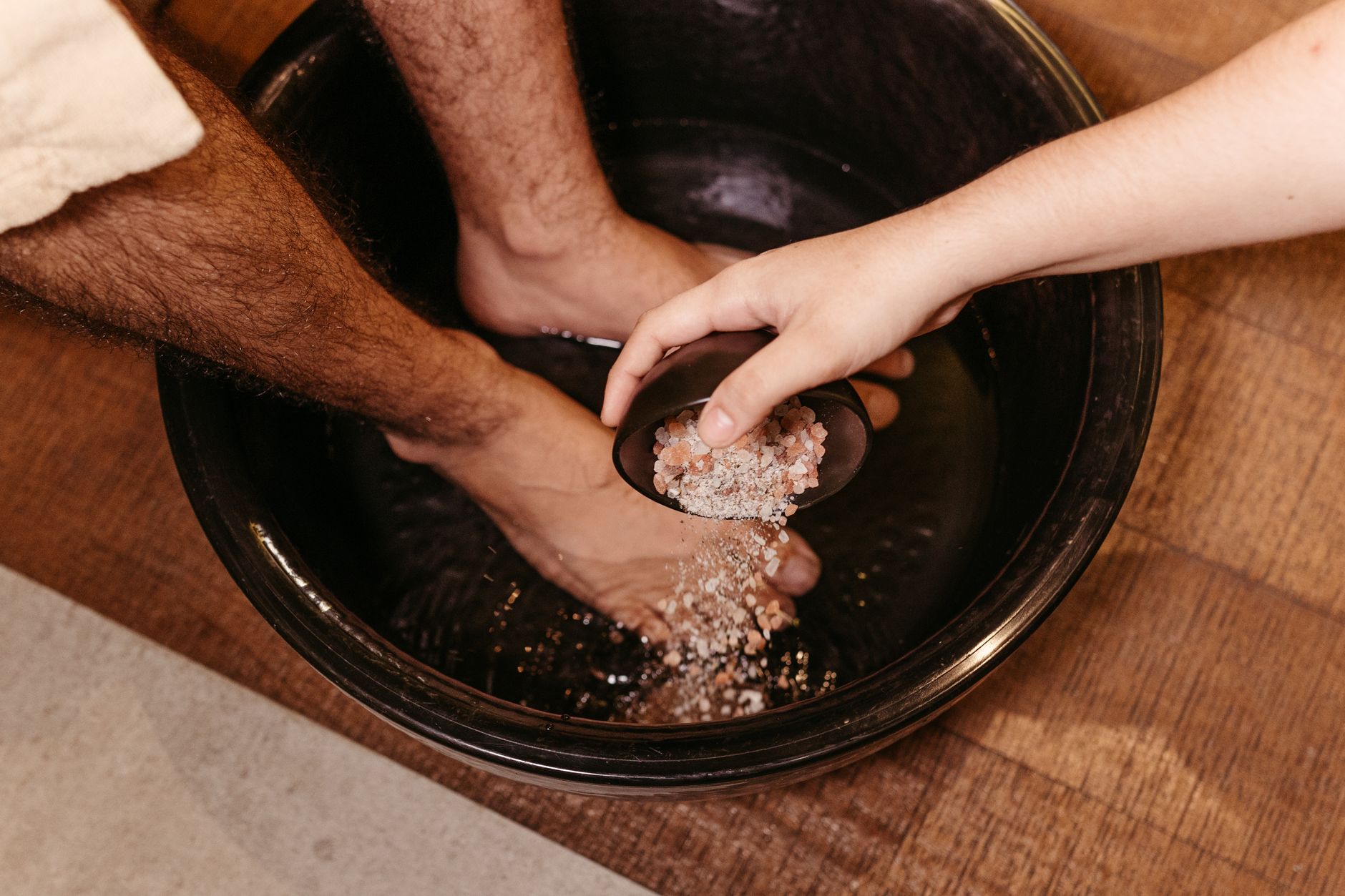
Smelly feet can be a source of embarrassment and discomfort, affecting your confidence and daily life. Understanding the causes of foot odor is the first step in tackling this common issue. By incorporating proper hygiene and effective products, you can find ways to get rid of smelly feet permanently.
This guide offers a thorough exploration of the reasons for foot odor, practical tips for prevention, and methods to maintain freshness. Read on to uncover effective strategies for eliminating smelly feet and restoring your comfort.
How to Get Rid of Smelly Feet Permanently?
To get rid of smelly feet permanently, it’s essential to address both the causes of odor and implement effective hygiene practices. Regular cleaning, choosing the right footwear, and using specific treatments can all contribute to keeping your feet fresh.
Understanding the Causes of Smelly Feet
Foot odor primarily results from bacteria that thrive in warm, moist environments, such as the inside of shoes and socks. Here are the primary causes:
- Excess Sweating: The feet have numerous sweat glands. When you sweat heavily, it creates the perfect breeding ground for bacteria.
- Bacteria and Fungus: The breakdown of sweat by bacteria leads to a foul odor. Fungal infections, such as athlete’s foot, can also contribute to unpleasant smells.
- Poor Hygiene: Infrequent washing can allow sweat, dead skin cells, and bacteria to accumulate on feet, leading to odor.
- Diet: Certain foods, like garlic and spicy dishes, can affect your sweat and cause unusual odors.
- Footwear Choices: Non-breathable shoes and synthetic socks can trap moisture, enhancing odors.
Effective Hygiene Practices
Establishing effective hygiene practices is crucial in managing foot odor. Here are some steps you can follow:
- Wash Daily: Clean your feet daily with mild soap and water. Make sure to dry them thoroughly afterward, especially between the toes.
- Exfoliate: Use a foot scrub or pumice stone to remove dead skin cells that can harbor bacteria.
- Moisturize: Apply a moisturizer to your feet after washing them to keep the skin intact, but avoid excessive moisture between the toes.
- Change Socks Regularly: Opt for moisture-wicking socks and change them daily. If your feet sweat heavily, consider changing socks more frequently.
- Choose Breathable Footwear: Wear shoes made of natural materials that allow your feet to breathe. Avoid tight-fitting shoes.
Foot Soaks and Treatments
In addition to regular washing, foot soaks and treatments can help eliminate odor:
- Vinegar Soak: Soaking your feet in a mixture of warm water and vinegar for 15-20 minutes can help kill bacteria. Use one part vinegar to two parts water.
- Baking Soda Soak: Baking soda can neutralize odors. Mix 4 tablespoons of baking soda in warm water and soak your feet.
- Salt Water Soak: A soak in warm salt water can ease foot odor due to its antibacterial properties.
- Essential Oils: Oils like tea tree oil and lavender possess natural antifungal properties. Add a few drops to foot soaks or dilute them with a carrier oil for massage.
Choosing the Right Footwear
The footwear you choose plays a significant role in foot odor. Here are tips to select the right shoes:
- Opt for Breathable Materials: Look for shoes made of leather or canvas as these materials allow better airflow.
- Avoid Synthetic Materials: Shoes made of synthetic materials trap moisture and heat.
- Choose Moisture-Wicking Socks: Invest in socks made of wool, cotton, or synthetic blends designed to wick moisture away.
Managing Sweat
If you tend to sweat excessively, consider these options:
- Antiperspirants: Apply an antiperspirant designed for feet to help reduce sweating.
- Foot Powder: Use foot powders that can help absorb moisture.
- Stay Hydrated: Drinking water can help maintain body temperature and reduce overall sweating.
Diet and Lifestyle Improvements
Your diet can influence foot odor. Here’s how to modify it for better foot health:
- Balanced Diet: Maintain a diet rich in fruits, vegetables, and whole grains while reducing processed foods.
- Avoid Strong Odor Foods: Limiting garlic, onions, and spicy foods can help reduce odors.
- Reduce Alcohol and Caffeine: These can increase sweating, leading to potential odor issues.
Common Mistakes to Avoid
To effectively combat foot odor, it’s important to avoid common pitfalls:
- Ignoring Foot Hygiene: Regular washing is essential; don’t skip it, especially after exercising or sweating.
- Wearing the Same Shoes Daily: Allow shoes to dry out completely before wearing them again.
- Neglecting Moisture Control: Choose products that help manage moisture in shoes and socks.
Additional Remedies and Treatments
For persistent foot odor, consider trying specialized solutions:
- Over-the-Counter Treatments: Foot sprays and powders designed to combat odor may provide additional assistance.
- Consulting a Podiatrist: If odor persists despite good hygiene, consulting a professional can provide tailored solutions.
- Botox Injections: For severe cases of sweating, Botox is an option that can block sweat glands.
Maintaining Foot Health Over the Long Term
Once you have tackled the issue of foot odor, maintaining your foot hygiene is key to preventing its return:
- Check for Signs of Infection: Monitor for persistent redness, itching, or irritation that could indicate a fungal infection.
- Regular Foot Care: Maintain a routine that includes exfoliating, moisturizing, and proper trimming of toenails.
- Keep Shoes Clean: Regularly clean and air out your shoes to minimize bacteria.
Conclusion
Dealing with smelly feet requires a combination of good hygiene practices, proper footwear, and dietary adjustments. Understanding the causes and taking proactive steps can significantly improve your foot health and prevent odor from returning. Implement these strategies to enjoy fresh, clean feet that provide confidence every step of the way.
If you want to expand your knowledge about foot care, check out our guides on corns on feet and showering frequency for additional insights!