
Experiencing an itchy scalp can be more than just a minor annoyance; it can significantly impact your comfort and confidence. Understanding the various causes behind scalp itching is crucial to finding effective remedies. This guide explores the potential reasons for your itchy scalp and what you can do to alleviate the discomfort.
From dryness to dermatitis, different factors can contribute to that chronic itch. Whether you’re experiencing flakiness, irritation, or sensitivity, this comprehensive overview will help you identify what’s going on and look for a solution tailored to your needs.
Why Does My Scalp Itch?
An itchy scalp can be caused by a variety of conditions, including dryness, allergies, or even scalp infections. Identifying the root cause is essential for effective treatment. Let’s look at some common causes of itchy scalps and helpful remedies to address each issue.
Common Causes of an Itchy Scalp
1. Dry Scalp
A dry scalp is often the primary culprit for itchiness. Factors such as environmental conditions, the use of harsh hair products, or inadequate hydration can lead to dryness. Symptoms typically include flakiness, tightness, and irritation.
2. Dandruff
Dandruff, a common condition caused by an overgrowth of a yeast-like fungus known as Malassezia, can lead to an itchy scalp. It appears as white or yellow flakes on your scalp and hair. Other symptoms may include redness and irritation.
3. Allergic Reactions
Allergic reactions to hair care products, including shampoos, conditioners, and hair dyes, can trigger an itchy scalp. If you’ve recently tried a new product, it may contain irritants or allergens that provoke itchiness.
4. Scalp Conditions
Conditions such as psoriasis and eczema can cause significant scalp irritation and itching. Psoriasis often leads to thick, silvery scales, while eczema may cause red, inflamed patches. Both require specialized treatment options.
5. Scalp Folliculitis
Folliculitis refers to the inflammation of hair follicles, which may include itchy bumps. This condition can be caused by bacteria, fungi, or even ingrown hairs. It typically presents as small, red, or white pimples on the scalp.
6. Lice Infestation
Head lice are tiny parasites that can lead to an intensely itchy scalp, especially behind the ears and at the nape of the neck. You may notice the presence of live lice or their eggs (nits) on hair strands.
Identifying the Cause of Your Itchy Scalp
To effectively address your itchy scalp, it’s vital to determine the underlying cause. Here are steps you can take to help identify the reason:
- Take Note of Symptoms: Pay attention to the specific symptoms you experience—such as redness, flaking, or bumps. This can help narrow down the potential causes.
- Review Your Hair Care Products: Check for recently introduced products and their ingredients. Consider whether you have any known allergies.
- Assess Your Environment: Think about any changes in climate or exposure to irritants, such as smoke or pollution.
- Look for Other Signs: Does your scalp itch only sometimes, or is it a persistent issue? Do you have body-wide symptoms, like rash or fever?
Effective Remedies for an Itchy Scalp
Once you’ve identified the potential cause of your itchy scalp, you can take steps to alleviate the discomfort effectively. Here are some targeted remedies based on various root causes:
Remedies for a Dry Scalp
- Moisturizing Shampoo: Use a gentle, hydrating shampoo that contains natural oils or humectants to avoid stripping moisture from your scalp.
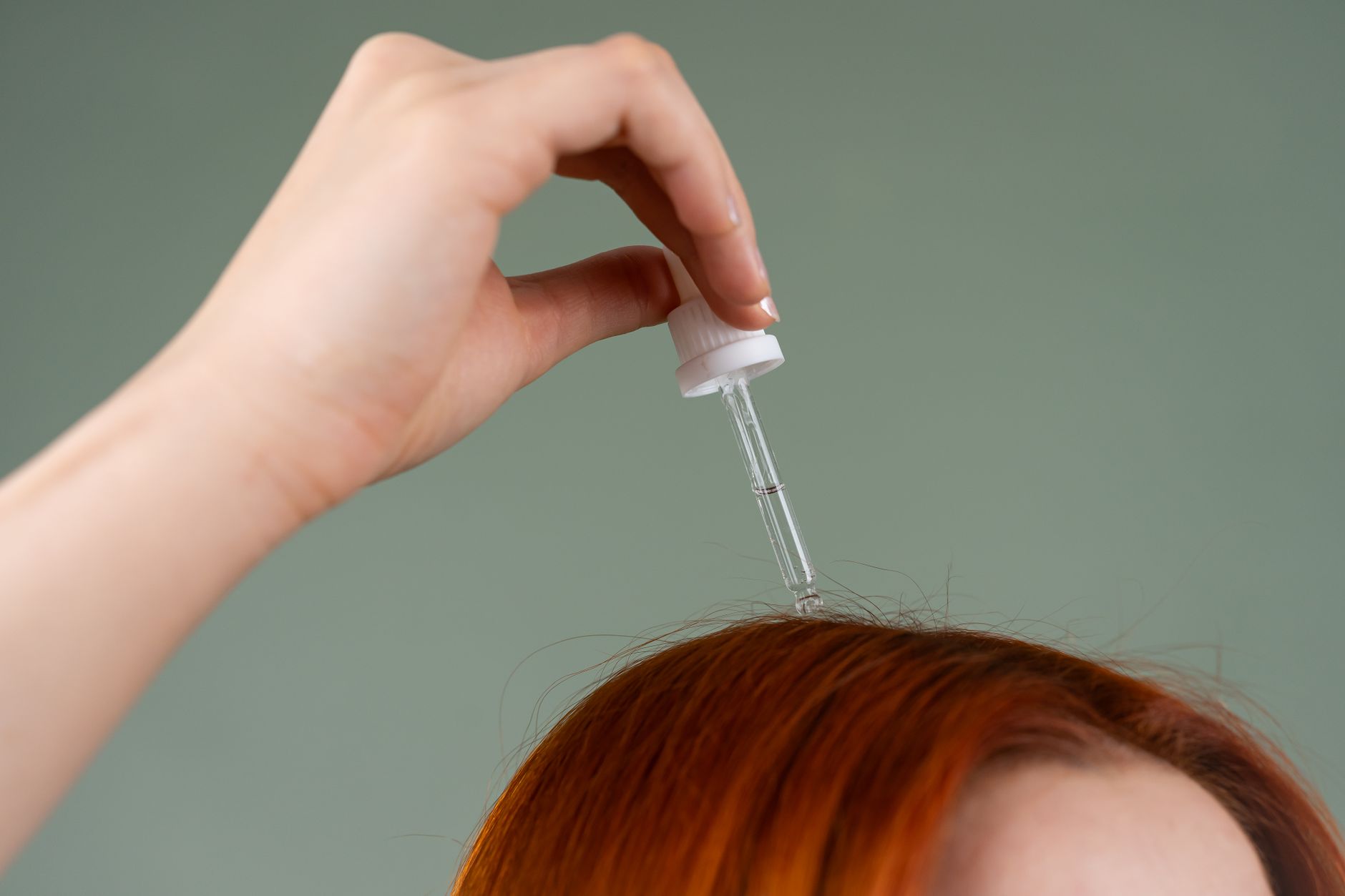
- Scalp Oils: Natural oils such as coconut, jojoba, or tea tree can help soothe dryness and irritation. Apply them as a pre-shampoo treatment.
- Stay Hydrated: Make sure you drink plenty of water to hydrate from the inside out.
Remedies for Dandruff
- Anti-Dandruff Shampoo: Look for a shampoo containing ingredients like zinc pyrithione, selenium sulfide, or ketoconazole, which specifically target dandruff.
- Regular Washing: Increase the frequency of shampooing to help remove flakes and dirt buildup.
- Balanced Diet: Ensure your diet includes omega-3 fatty acids and probiotics, as they can help improve scalp health.
Remedies for Allergic Reactions
- Patch Testing: When trying new products, conduct a patch test to ensure you do not have an allergic reaction.
- Switch Products: Consider using hypoallergenic or fragrance-free products that are less likely to irritate.
- Cool Compress: Apply a cool, damp cloth to soothe irritation and reduce redness.
Remedies for Scalp Conditions
- Consult a Healthcare Professional: For conditions like psoriasis or eczema, a healthcare provider can prescribe medicated shampoos or topical treatments.
- Specialized Treatments: Use over-the-counter options that target specific conditions, such as hydrocortisone cream for inflammation.
- Moisturizers: Consider applying hypoallergenic scalp moisturizers recommended for specific scalp conditions.
Remedies for Folliculitis
- Antimicrobial Shampoo: Use shampoos containing antibacterial or antifungal ingredients to address the infection.
- Consult a Dermatologist: Persistent folliculitis may require a prescription for topical or oral antibiotics.
- Keep the Scalp Clean: Regularly shampoo and keep your hair clean to prevent further irritation.
Remedies for Lice Infestation
- Over-the-Counter Treatments: Use FDA-approved lice treatment products containing pyrethrin or permethrin to eliminate lice.
- Fine-Tooth Comb: After treatment, use a fine-tooth comb to remove any remaining eggs or dead lice from the hair.
- Wash Bedding: Wash all bedding and clothing that may have come into contact with lice in hot water to prevent re-infestation.
Maintaining a Healthy Scalp
In addition to addressing specific causes of itchiness, maintaining a healthy scalp is essential for preventing future issues. Here are some best practices for scalp health:
- Regular Washing: Depending on your hair type, wash your hair regularly to help keep the scalp clean and free of product buildup.
- Scalp Massages: Regular scalp massages can improve circulation and encourage healthy hair growth.
- Sun Protection: When spending extended time outdoors, protect your scalp from UV rays using hats or UV-blocking sprays designed for the scalp.
- Avoid Excessive Heat: Limit the use of heat styling tools, which can dry out the scalp and hair over time.
- Healthy Lifestyle: Eating well, staying hydrated, and managing stress contribute significantly to scalp health.
Common Mistakes to Avoid
When dealing with an itchy scalp, certain missteps can prolong discomfort or worsen the issue. Here’s what to avoid:
- Overwashing the Hair: Washing your hair too frequently can strip natural oils, causing dryness and increasing itchiness.
- Ignoring Product Ingredients: Not paying attention to the ingredients in your products may lead to allergic reactions, especially if they contain sulfates or parabens.
- Inconsistent Treatment: Discontinuing treatments before symptoms fully resolve can lead to recurring issues.
- Scratching: Though the itch may be tempting, scratching can worsen irritation and lead to infections.
When to Consult a Professional
If your itchy scalp persists despite trying remedies at home, it might be time to consult a healthcare provider. You should seek professional advice if you experience:
- Severe itching that disrupts daily activities or sleep.
- Red, swollen, or infected areas on the scalp.
- Persistent flakes or scaling that doesn’t improve with over-the-counter treatments.
- Signs of hair loss accompanied by itching.
It’s essential to prioritize scalp health as an integral part of your beauty routine. A clear understanding of the factors that contribute to an itchy scalp will empower you to take action.
In summary, an itchy scalp can result from various causes, each requiring different approaches to treatment. From dry scalp to more severe conditions, identifying the underlying issue allows you to adopt tailored remedies effectively.
Start your journey to scalp comfort today by evaluating your scalp health and implementing the discussed treatments. Addressing this issue can significantly improve your overall hair experience.
For more information on dandruff solutions, check out our guide on how to get rid of dandruff. Additionally, learn the importance of hydration with our article on how to moisturize your scalp.