
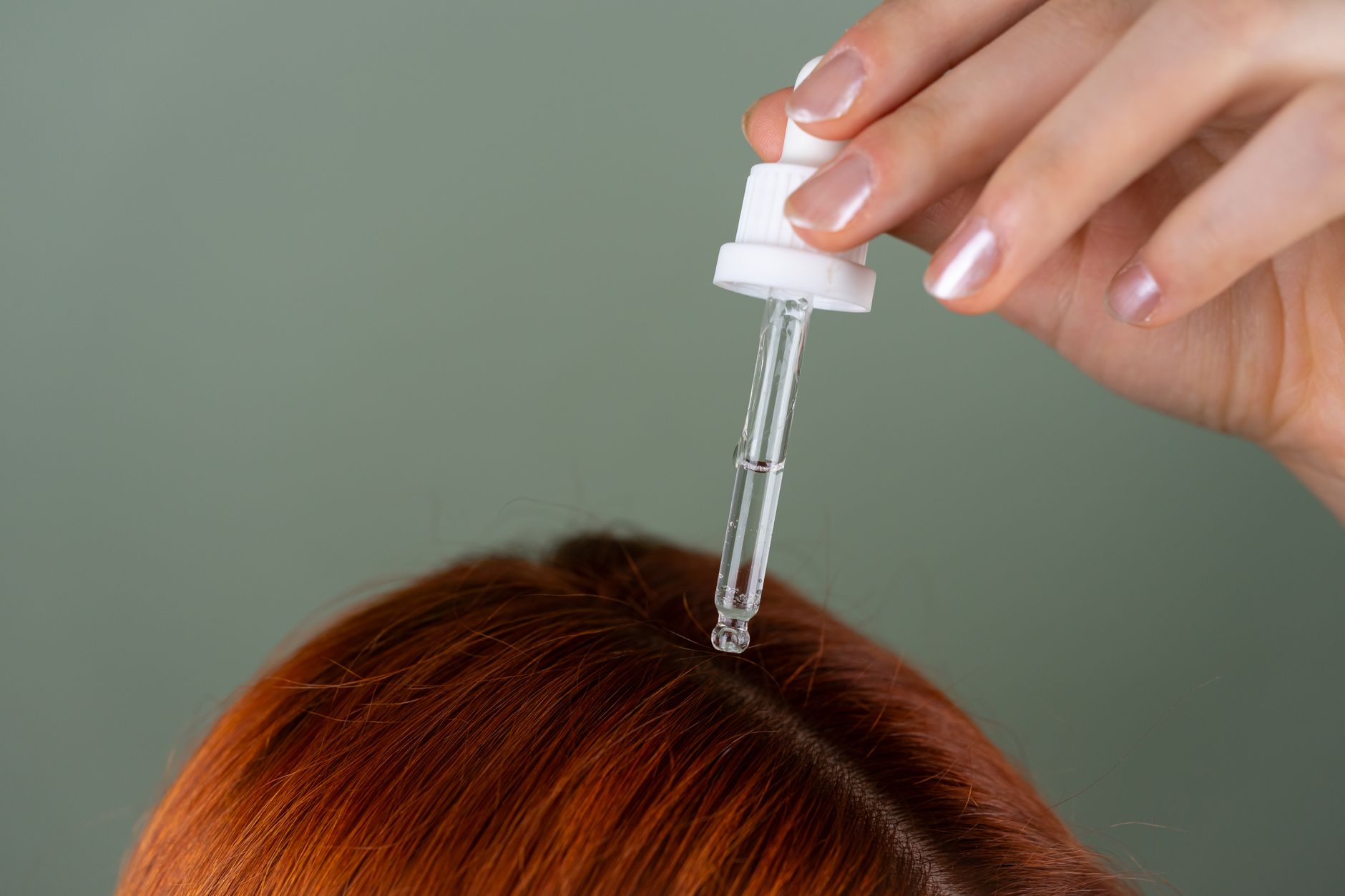
Many often overlook their scalp care, which can lead to dryness, irritation, and flakiness. Moisturizing your scalp is essential to maintain its health, comfort, and overall appearance. By adopting a solid moisturizing routine, you can prevent dryness and support the well-being of your hair.
This guide will explore various methods to effectively moisturize your scalp, including simple fixes and prevention tips. Whether you have natural, textured hair or straight hair, the following insights will ensure that your scalp remains hydrated and nourished.
How to Moisturize Scalp?
To moisturize your scalp effectively, choose the right products, establish a regular routine, and consider natural remedies that suit your hair type. Following these steps can help alleviate dryness and promote a healthy scalp.
Understanding Scalp Dryness
Before diving into solutions, it’s essential to understand what causes scalp dryness. This condition can result from several factors:
- Environmental conditions: Cold weather, dry air, and excessive sun exposure can strip moisture from your scalp.
- Product buildup: Using the wrong hair products can lead to a build-up of residue that may irritate the scalp.
- Health factors: Conditions like eczema, psoriasis, and seborrheic dermatitis can contribute to dryness and flaking.
- Overwashing: Washing your hair too frequently can remove natural oils, leading to dryness.
Choosing the Right Products
Finding the right products for your scalp is crucial. Here are some recommendations:
- Moisturizing shampoos: Look for gentle, sulfate-free formulas that will cleanse without stripping natural oils.
- Conditioners: A hydrating conditioner can help lock in moisture. Choose products with nourishing ingredients like shea butter or aloe vera.
- Scalp oils: Natural oils can provide deep hydration and address specific scalp concerns.
- Leave-in conditioners: These can help maintain moisture levels throughout the day.
Common Ingredients to Look For
When choosing products, consider the following beneficial ingredients:
- Argan oil: Rich in nutrients, it helps moisturize and nourish the scalp.
- Coconut oil: Known for its deeply hydrating properties, it can penetrate the hair shaft and minimize moisture loss.
- Jojoba oil: Similar to natural sebum, jojoba oil hydrates the scalp and prevents dryness.
- Aloe vera: A soothing ingredient that provides hydration and reduces scalp irritation.
- Glycerin: A humectant that attracts moisture to the scalp, keeping it hydrated.
Establishing a Moisturizing Routine
Creating a consistent moisturizing routine can significantly improve scalp health. Here’s how to build your regimen:
1. Frequency of Washing
Aim to wash your hair while considering your scalp type:
- If you have a dry scalp, washing your hair once or twice a week may suffice.
- If you have an oily scalp, you might need to wash your hair more frequently, but opt for gentle formulas.
2. Conditioning
- After shampooing, apply a generous amount of conditioner focusing on the scalp and hair lengths.
- Leave the conditioner on for a few minutes to allow it to penetrate.
- Rinse thoroughly with lukewarm water to not strip away moisture.
3. Scalp Treatments
In addition to regular shampooing and conditioning, consider adding scalp treatments to your routine:
- Scalp oils: Applying oils directly to your scalp can provide intense hydration.
- Deep conditioning masks: Use a hydrating hair mask once a week to soothe and nourish your scalp.
Using Natural Remedies to Moisturize Your Scalp
Besides commercial products, there are many natural remedies you can try:
1. Coconut Oil Treatment
Coconut oil is renowned for its moisturizing properties. Here’s a simple method:
- Warm a few tablespoons of organic coconut oil until it is in liquid form.
- Part your hair and apply the oil directly to your scalp using your fingertips.
- Massage gently for about 5-10 minutes to promote blood circulation.
- Leave the oil on for at least an hour or overnight before washing it out.
2. Aloe Vera Gel
Aloe vera gel is another excellent natural moisture source. Consider applying it as follows:
- Scoop fresh aloe vera gel from the plant or use a store-bought pure gel.
- Apply it to your scalp, ensuring even coverage.
- Leave it on for 30 minutes, then rinse with lukewarm water.
3. Olive Oil Soak
For a luxurious moisture treatment, try olive oil:
- Warm a small amount of olive oil.
- Apply to your scalp and massage gently.
- Cover your scalp with a shower cap and leave it on for at least an hour.
- Wash thoroughly with a mild shampoo.
Prevention Tips for a Healthy Scalp
Incorporating preventative measures in your routine can help maintain scalp health:
1. Stay Hydrated
Drinking plenty of water ensures your body is hydrated from the inside out, contributing to scalp moisture.
2. Mind Your Diet
Incorporate foods rich in omega-3 fatty acids, which can help nourish and hydrate the scalp. These include:
- Fatty fish (salmon, mackerel)
- Chia seeds
- Walnuts
- Flaxseeds
3. Limit Heat Styling
Excessive heat can dry out your scalp and hair. Try to limit using hot tools and use a heat protectant if necessary.
4. Choose Hair Products Wisely
Opt for products labeled as “moisturizing” or “hydrating.” Avoid those containing sulfates, parabens, or alcohol that may strip moisture.
Common Mistakes to Avoid
Understanding common pitfalls can help enhance your scalp care routine:
- Ignoring the scalp: Don’t skip nourishing your scalp while focusing on your hair. Both need attention to stay healthy.
- Overusing dry shampoo: While convenient, frequent use can lead to buildup and irritation. Use only when necessary.
- Skipping scalp massages: Regular massages support circulation and can enhance moisture absorption.
Recognizing Irritation and Allergies
While moisturizing is essential, it’s important to watch for signs of irritation or allergic reactions:
- Redness or rash on the scalp
- Intense itching
- Flaking or excessive dryness
If you experience any of these symptoms, consider discontinuing the product or remedy and consult a healthcare professional for advice.
Realistic Expectations for Scalp Moisturizing
Results may vary based on individual factors like scalp type, product choice, and lifestyle. Often, improvements can be seen within a few weeks of a consistent routine, but it is important to remain patient and adjust your methods if no changes occur after a reasonable period.
Conclusion
Moisturizing your scalp is an essential step towards maintaining healthy hair and skin. By following these simple fixes and preventative tips, you can ensure that both your scalp and hair remain hydrated and healthy. Remember to choose suitable products, establish a regular routine, and embrace natural remedies to get the best results.
For further information, consider reading about how to get rid of dandruff or exploring the benefits of coconut oil for hair to enhance your beauty knowledge.