
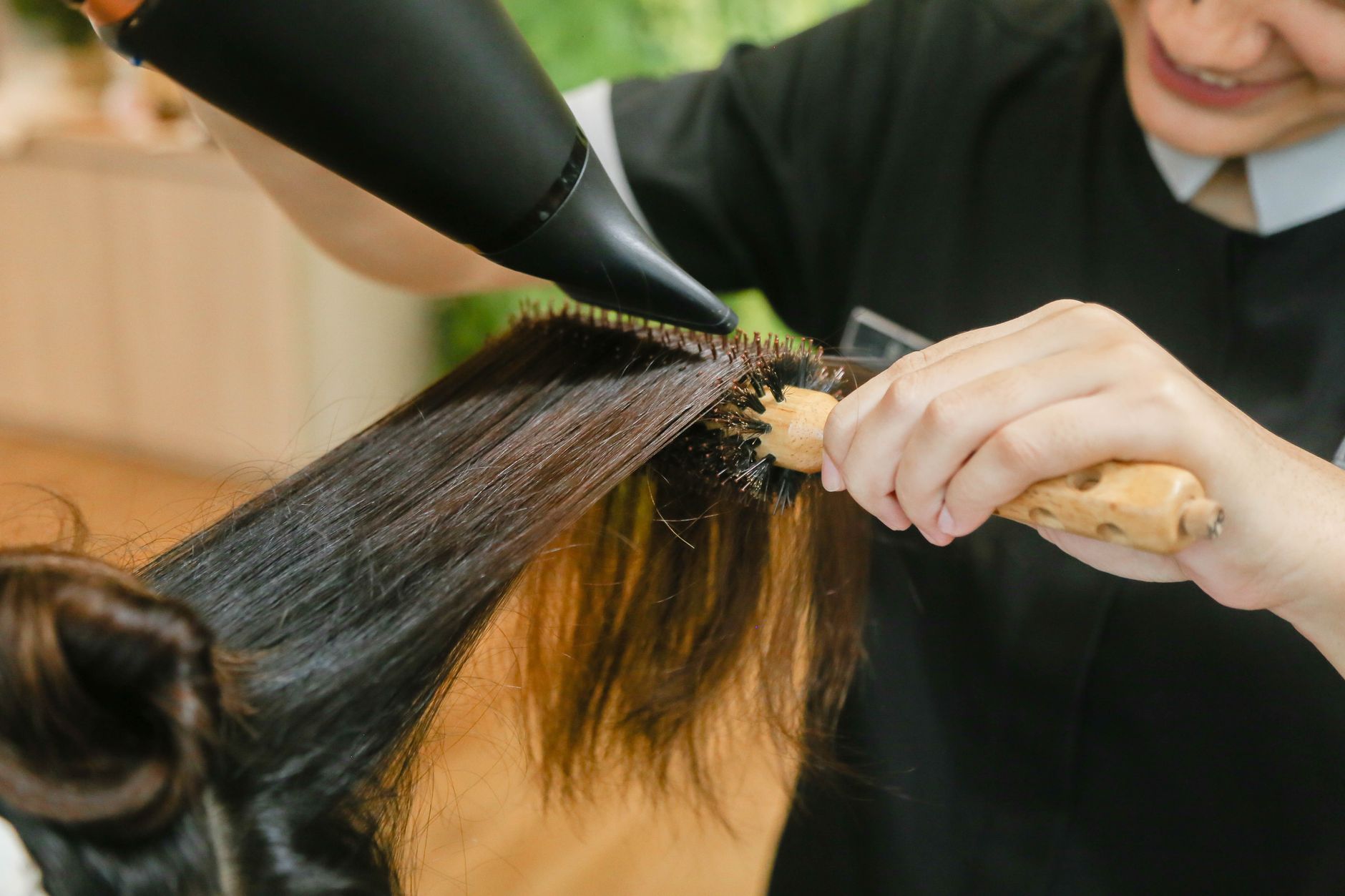
Brushing hair is a daily routine for many, yet there is often confusion about how to do it effectively. The best way to brush hair can vary significantly depending on whether hair is wet or dry, as well as the specific hair type you have. Understanding these factors can help you maintain healthy, tangle-free hair without causing damage.
This guide will cover the best techniques for brushing hair in different conditions, provide tips for various hair types, and highlight common mistakes to avoid.
What Is The Best Way To Brush Hair?
The best way to brush hair depends on the hair’s condition (wet or dry) and the type of hair you have. When hair is wet, use a wide-tooth comb or a detangling brush to minimize breakage. For dry hair, opt for a brush suited for your hair type and remember to brush gently to avoid damage.
Brushing Wet Hair
Brushing wet hair requires different techniques compared to dry hair. Wet hair can be more delicate and prone to breakage, so the right tools and methods are essential.
Tools for Brushing Wet Hair
- Wide-tooth comb
- Detangling brush
- Leave-in conditioner or detangling spray (optional)
Steps for Brushing Wet Hair
- Start with damp hair, preferably after a shower or wash.
- If desired, apply a leave-in conditioner or detangling spray to make the process smoother.
- Begin combing at the ends of your hair, gently working your way up to the roots. This prevents pulling and reduces breakage.
- Work in sections if your hair is thick or curly, making it easier to detangle.
Common Mistakes When Brushing Wet Hair
- Using a regular brush instead of a wide-tooth comb or detangling brush.
- Brushing from the roots down, which can cause unnecessary strain and breakage.
- Not using any detangling spray or leave-in conditioner to aid the process.
Brushing Dry Hair
Brushing dry hair presents different challenges and requires a different approach. It’s crucial to be gentle and choose the right brush based on your hair type.
Choosing the Right Brush
- Synthetic bristle brushes: Ideal for fine or straight hair as they offer a smooth finish.
- Natural boar bristle brushes: Best for thick or curly hair, as they help distribute oils from the scalp and minimize frizz.
- Round brushes: Useful for adding volume and curl during blow-drying.
Steps for Brushing Dry Hair
- Ensure your hair is completely dry before brushing.
- Start by dividing your hair into sections, especially if it’s thick or long.
- Begin brushing from the ends upwards, using gentle strokes to eliminate tangles.
- For curly hair, consider using your fingers to detangle first, followed by a brush.
Common Mistakes When Brushing Dry Hair
- Brushing hair too aggressively, leading to breakage.
- Skipping sections and only brushing the top layer, which can leave tangles beneath.
- Using the wrong type of brush for your hair texture.
Understanding Hair Types
The best brushing technique can also depend on your hair type. Here’s how to tailor your approach for various hair textures.
Straight Hair
- Use a paddle brush with flexible bristles to smooth out your hair.
- Brush from the roots to the ends for a sleek finish.
Wavy Hair
- A wide-tooth comb is ideal to help keep waves without disrupting their natural pattern.
- Brush gently to separate waves without causing frizz.
Curly Hair
- Brush curly hair when it’s wet, using your fingers or a wide-tooth comb to detangle.
- Consider using a product that defines curls after brushing to maintain shape.
Textured Hair
- Use a detangling brush or pick to avoid breakage.
- Brush in sections while the hair is damp to minimize damage.
Brushing Techniques for Different Hair Needs
Recognizing specific needs can help in selecting the appropriate brushing technique for optimal hair health.
For Frizzy Hair
- Use a wide-tooth comb or a paddle brush with natural bristles.
- Apply an anti-frizz serum to ease the brushing process and help tame flyaways.
For Fine Hair
- A softer brush with flexible bristles can minimize hair breakage.
- Try to avoid over-brushing, as fine hair can get easily damaged.
For Thick Hair
- A vent brush or a wide-tooth comb will work best to avoid tangles.
- Section the hair to make it easier to manage.
Maintenance of Hair Brushes
Caring for your hairbrushes can extend their lifespan and performance. Regular maintenance is key to preventing product buildup and ensuring that they remain effective.
Cleaning Your Brushes
- Remove any hair strands caught in the bristles.
- Soak the brush in warm, soapy water for about 30 minutes.
- Use an old toothbrush to scrub away product buildup.
- Rinse and let the brush air dry completely before using it again.
When to Replace Hair Brushes
- When the bristles become bent or damaged.
- If the handle is broken, making it difficult to use.
- Every 6-12 months, depending on usage.
Significant Considerations for Hair Care
Brushing is only one part of hair care. It’s essential to consider other factors that influence the overall health and appearance of your hair.
Hydration and Nourishment
- Regularly condition your hair to keep it hydrated and reduce frizz.
- Consider using hair oils or serums to nourish your hair.
Regular Trims
Regular trims help prevent split ends which can lead to tangling and further damage. Aim to visit your stylist every six to eight weeks depending on your hair growth.
Protective Hairstyles
- Consider protective styles such as braids or buns to protect your hair from environmental stressors.
- Limit the use of heat styling tools which can cause damage over time.
Common Questions About Hair Brushing
How Often Should I Brush My Hair?
The frequency of brushing depends on your hair type. Generally, brushing once a day is sufficient for most hair types. However, individuals with curly or textured hair may require less frequent brushing to avoid frizz and breakage.
Does Brushing Help With Hair Growth?
While brushing does not directly influence hair growth, it helps distribute natural oils from the scalp, promoting a healthier scalp environment. Healthy hair follicles can, in turn, lead to stronger hair growth.
Can I Use the Same Brush for Wet and Dry Hair?
It is best to use specific brushes for wet and dry hair. A detangling brush or wide-tooth comb is best for wet hair, while a brush suitable for your hair type should be used for dry hair to avoid damage.
Conclusion
Brushing hair is an essential part of maintaining healthy locks, but understanding whether to brush it wet or dry and the appropriate tools and techniques for your hair type is crucial. Gentle techniques and the right brushes can help you achieve beautiful, tangle-free hair without causing damage. Start your journey to healthier hair today by implementing these tips into your routine.
For more tips on managing different hair concerns, check out how to fix frizzy hair and learn to moisturize your scalp effectively. Explore these practical guides to enhance your beauty routine and achieve your ideal look.