
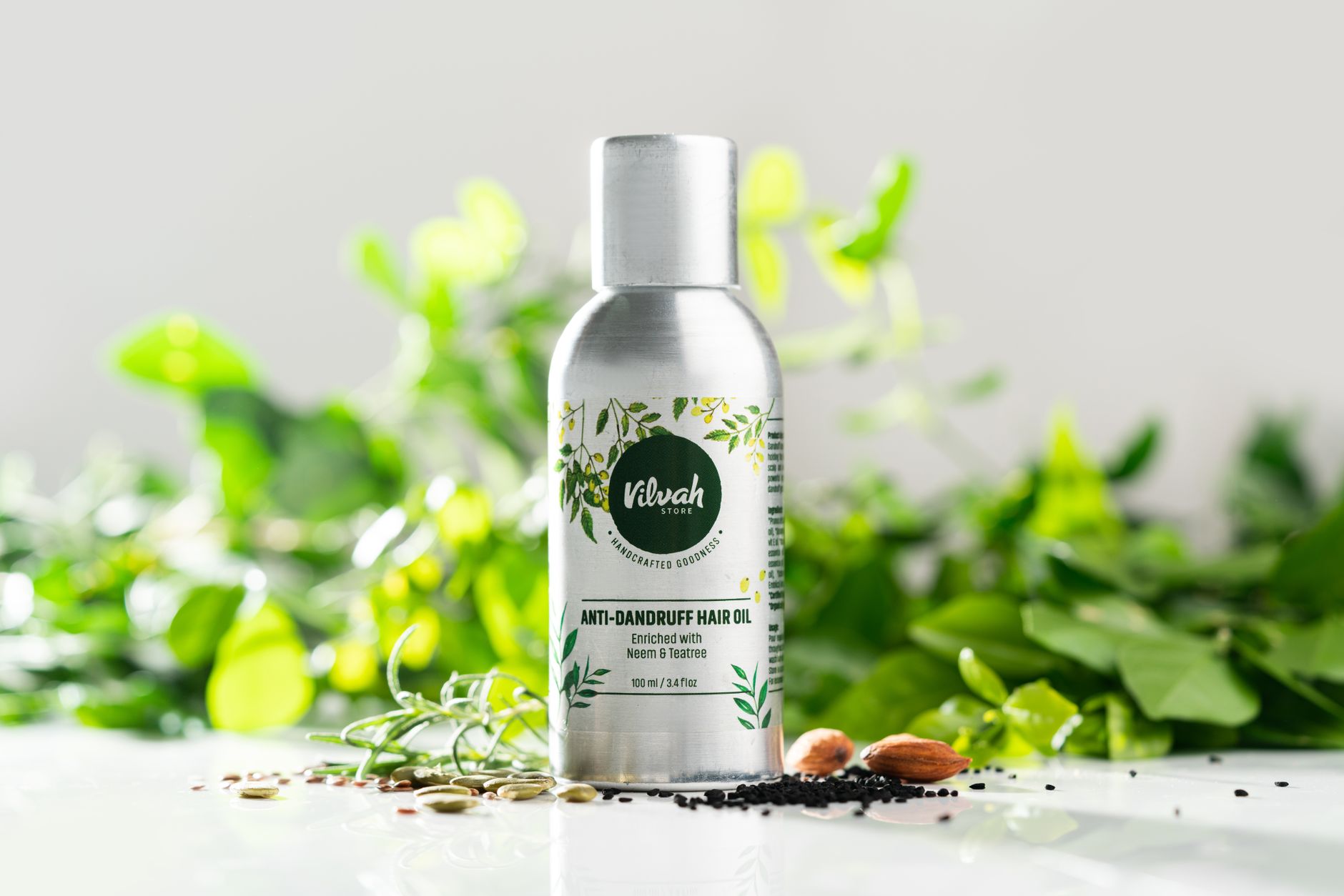
Dandruff is a common scalp condition that many face at some point in their lives. Characterized by flaking skin and itchiness, it can lead to discomfort and self-consciousness. Understanding what causes dandruff and how to effectively treat and prevent it can empower you to achieve a healthier scalp and hair.
This guide will explore the common causes of dandruff, effective remedies, and proactive prevention strategies, ensuring you can tackle dandruff with confidence.
How to Get Rid of Dandruff?
To effectively get rid of dandruff, identify its underlying causes and incorporate suitable remedies. Common solutions include medicated shampoos, natural treatments, and lifestyle adjustments. Consistency in application and maintenance of a healthy scalp hygiene routine are vital to managing and preventing dandruff.
Understanding Dandruff: Causes and Triggers
Dandruff can arise from several factors, and recognizing these can help you choose the right treatment. Here are some primary causes:
- Malassezia fungi: This naturally occurring yeast on the scalp can sometimes grow excessively, leading to irritation and flaking.
- Dry skin: Dryness can lead to small flakes of skin that fall off. Cold weather is a common trigger.
- Oily scalp: An excessively oily scalp can contribute to dandruff as it creates a hospitable environment for fungi.
- Irritated skin: Sensitivity to hair care products can cause dermatitis, leading to dandruff.
- Not enough shampooing: Infrequent washing can cause dead skin cells and oil to build up, resulting in flaking.
- Diet: Poor nutrition can affect scalp health, with a lack of certain nutrients potentially leading to dandruff.
Effective Remedies for Dandruff
When it comes to addressing dandruff, various remedies can cater to different causes. Here are some effective solutions to consider:
1. Medicated Shampoos
Medicated shampoos are often the first line of defense against dandruff. They contain active ingredients that target the condition effectively. Here are some common types:
- Pyrithione zinc: This antibacterial and antifungal agent helps reduce fungus on the scalp.
- Ketoconazole: Another powerful antifungal, ideal for treating seborrheic dermatitis.
- Coal tar: This ingredient decreases cell turnover on the scalp, reducing flaking.
- Selenium sulfide: This helps reduce flakiness and can also control the growth of yeast.
- Salicylic acid: This exfoliates the scalp and helps remove scales.
When using medicated shampoos, follow the manufacturer’s instructions. Gradually incorporating them into your routine can also help avoid irritation.
2. Natural Remedies
For those who prefer natural solutions, several home remedies may help alleviate dandruff:
- Tea tree oil: Known for its antifungal properties, tea tree oil can be diluted in a carrier oil and massaged into the scalp.
- Aloe vera: This natural moisturizer soothes irritated skin and hydrates the scalp.
- Apple cider vinegar: Its acidity can help balance scalp pH and reduce yeast growth. Dilute with water before use.
- Coconut oil: Offers both moisturizing and antibacterial effects; apply and wash out after a short duration.
- Neem oil: This has antimicrobial properties and can be used similarly to tea tree oil.
3. Lifestyle Changes and Routine Adjustments
In addition to using specific remedies, certain lifestyle changes can promote scalp health and help combat dandruff more effectively:
- Regular washing: Keep your scalp clean by washing your hair regularly to minimize oil build-up and dead skin accumulation.
- Balanced diet: Incorporate foods rich in zinc, B vitamins, and omega-3 fatty acids to support scalp health.
- Manage stress: Stress can aggravate dandruff, so consider practices like yoga, meditation, or regular exercise to help manage it.
- Stay hydrated: Drinking plenty of water supports overall skin health, including the scalp.
- Avoid harsh treatments: Limit the use of harsh hair products, hot tools, and chemical treatments that can irritate the scalp.
How to Prevent Dandruff?
Preventing dandruff is often easier than treating it. Here are some practical steps you can take:
1. Choose the Right Hair Products
Opt for shampoos and conditioners that are free from sulfates, parabens, and other harsh chemicals. Look for formulas designed for scalp care to avoid irritation.
2. Maintain a Healthy Scalp Routine
Establish a routine that includes regular washing with a gentle shampoo, possibly alternating with a medicated option if you are prone to dandruff.
3. Protect Your Scalp from the Elements
During harsh weather conditions, cover your scalp with a hat or scarf to shield it from cold winds and harsh sun rays.
4. Avoid Scratch and Irritation
Refrain from scratching your scalp, as this can exacerbate irritation and lead to more flakes. Keep nails trimmed to minimize potential damage.
5. Regularly Clean Hair Tools
Your brushes and combs can accumulate product residue and dead skin, so clean them regularly to avoid reintroducing these elements to your scalp.
Building an Effective Hair Care Routine
To keep dandruff at bay, it’s essential to structure a suitable hair care routine. Here’s a basic regimen that can work for most people:
- Choose a shampoo: Begin with a gentle or medicated shampoo based on your scalp needs. Massage it into the scalp for a few minutes before rinsing.
- Condition: Apply conditioner to the lengths of your hair, avoiding the scalp as much as possible to prevent added oil build-up.
- Scalp treatments: Consider using a targeted scalp treatment once or twice a week to provide extra nourishment or address specific concerns.
- Drying: After washing, gently pat your hair dry with a towel and avoid vigorous rubbing to reduce irritation.
- Styling: Limit the use of styling products that could lead to build-up on the scalp. Also, opt for lighter alternatives when possible.
Common Mistakes to Avoid
When managing dandruff, several common mistakes can hinder progress. Keep an eye out for these:
- Skipping regular washes: Neglecting to wash your hair can lead to increased oil and flake build-up.
- Using too many products: A heavy product mix can lead to scalp irritation and unnecessary complications.
- Ignoring scalp health: Focusing solely on hair while neglecting the scalp can result in persistent issues.
- Overusing harsh treatments: While it’s important to manage dandruff actively, overuse of strong or harsh treatments can lead to further irritation.
- Inconsistency: Not sticking to a routine can lead to setbacks. Establish consistency to see results.
When to Seek Professional Help
While many can manage dandruff at home, certain scenarios may require the attention of a healthcare professional:
- If dandruff worsens despite treatment.
- If you notice severe redness, swelling, or bleeding on the scalp.
- If dandruff develops suddenly after a long period of healthy scalp.
- If it is accompanied by hair loss.
Consulting a dermatologist can provide you with a tailored treatment plan that aligns with your specific needs, ensuring stronger scalp health.
Conclusion and Next Steps
Managing dandruff requires understanding its causes and committing to a consistent care routine. By integrating the right remedies and preventive measures, you can keep your scalp healthy and flake-free. Remember, hair care is personal, and what works for one person may not work for another, so be patient as you find the best solution for your needs.
If you’re interested in further enhancing your beauty routine, explore our guides on hair care tips, skincare essentials, and makeup techniques. Discover how to nurture your beauty by reading more about hair products for healthy hair, skincare routines for glowing skin, and makeup tips for all-day wear.