
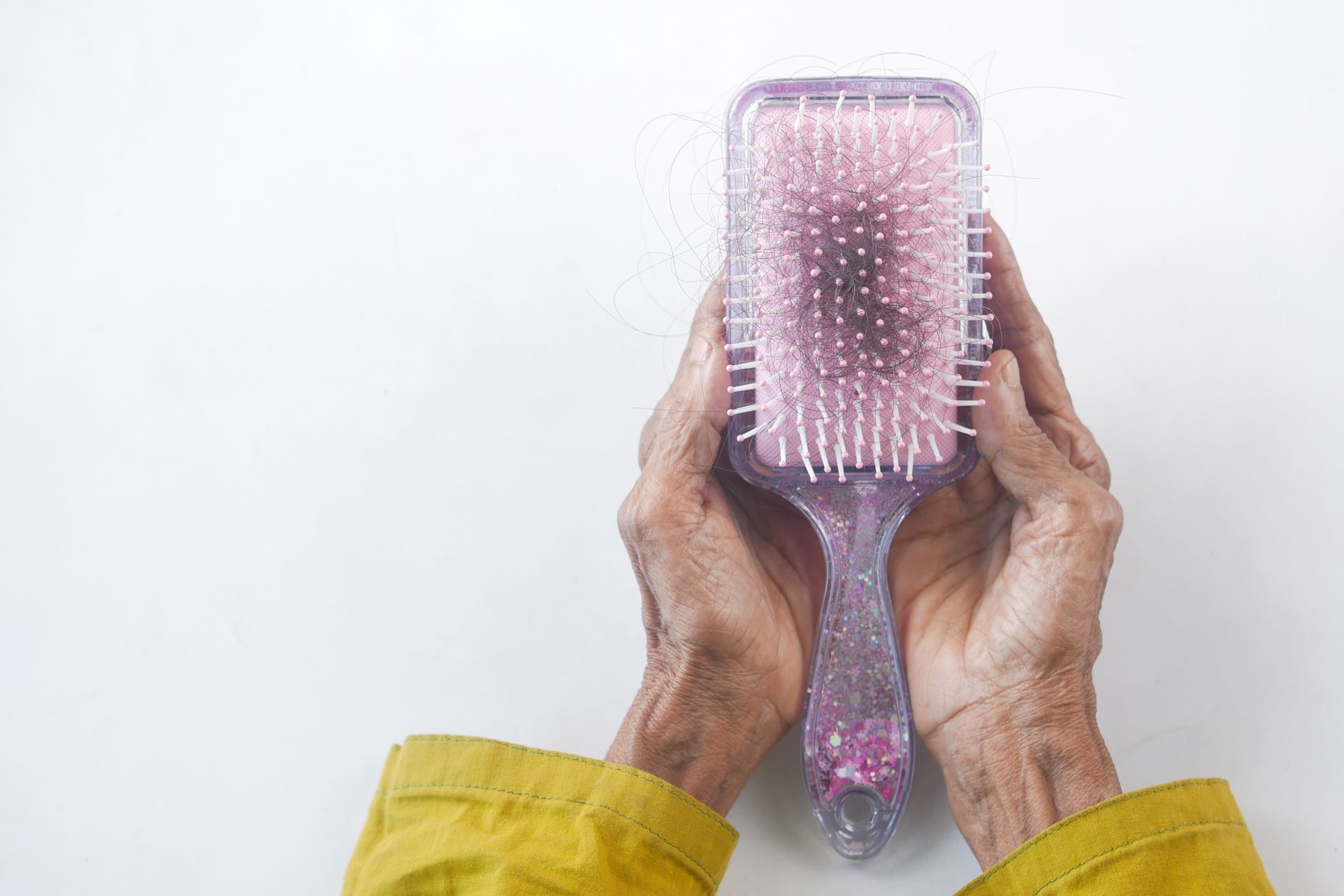
The increasing popularity of diabetes medications, particularly those like Retatrutide, has sparked numerous discussions about their effects on overall health, including concerns about hair loss. This article delves into whether Retatrutide causes hair loss, examining available studies and expert opinions to provide insight into this important beauty concern.
As we navigate the world of beauty and wellness, understanding the potential side effects of popular medications like Retatrutide is crucial for those trying to manage their hair health while addressing other health issues.
Does Retatrutide Cause Hair Loss?
Current studies suggest that Retatrutide does not significantly cause hair loss in most individuals. However, it is essential to consider other factors, such as individual health conditions, medical history, and overall lifestyle, which may also play a role in hair health.
Retatrutide is a novel medication primarily used for the treatment of obesity and type 2 diabetes. As part of the glucagon-like peptide-1 (GLP-1) receptor agonist family, it works to improve glycemic control and promote weight loss. While it offers several health benefits, understanding its side effects, particularly regarding hair, remains vital for users.
Understanding Retatrutide: What Is It?
Retatrutide, as a GLP-1 receptor agonist, mimics hormones that your body naturally produces. By activating these receptors, it enhances insulin secretion in response to meals while also suppressing glucagon release—leading to a reduction in blood sugar levels. The medication is also linked to weight loss, which can benefit metabolic health.
Weight management medications can sometimes lead to unexpected changes in hair growth. Here’s a closer look at how these treatments might connect to hair health.
Exploring the Connection Between Medication and Hair Loss
Whenever a new medication enters the market, patients and healthcare providers often have concerns about potential side effects, including hair loss. Hair loss, or alopecia, can arise from various causes, including hormonal changes, stress, nutritional deficiencies, and specific medications. Understanding the broader context of how Retatrutide may influence hair health is crucial.
Common Causes of Hair Loss
- Genetic Factors: Genetics play a fundamental role in determining hair thickness and shedding patterns. For some, hereditary conditions may lead to thinning hair or baldness.
- Stress: Physical or emotional stress can trigger temporary hair loss known as telogen effluvium, where hair follicles prematurely enter the shedding phase.
- Nutritional Deficiencies: A lack of essential nutrients, such as iron or protein, can lead to weak hair and thinning.
- Hormonal Changes: Imbalances in hormones, such as those experienced during pregnancy or menopause, can affect hair growth and shedding.
- Medical Conditions: Certain health conditions like thyroid disorders or autoimmune diseases can disrupt hair growth cycles.
- Medications: Some medications are known to cause hair loss as a side effect. Understanding how Retatrutide fits into this category is crucial for comprehending its long-term impact.
Retatrutide and Hair Health: The Research Landscape
Numerous studies have been conducted examining the side effects of drugs within the GLP-1 receptor agonist class, including Retatrutide. While direct studies on Retatrutide and hair loss are limited, we can extrapolate some information from related research.
Effects of GLP-1 Agonists on Hair Health
Previous research has demonstrated a relationship between weight loss and changes in hair growth patterns. As people lose weight, their bodies undergo significant changes, including hormonal fluctuations that can affect hair. However, studies specifically focusing on Retatrutide are still emerging.
A general consensus from medical professionals indicates that the likelihood of Retatrutide causing hair loss is low, especially compared to older medications prescribed for similar conditions. These older medications are often linked with weight loss-induced hair thinning, while newer formulations, like Retatrutide, demonstrate a more favorable profile.
Potential Side Effects of Retatrutide
Beyond the question of hair loss, Retatrutide could present other side effects that users should be aware of. Commonly reported side effects can include:
- Nausea
- Vomiting
- Diarrhea
- Constipation
- Fatigue
When starting any new medication, discussing potential side effects with a healthcare provider is essential, as they can provide personalized advice based on one’s medical history.
Managing Hair Health While on Retatrutide
Even though current research indicates Retatrutide is unlikely to cause hair loss, maintaining healthy hair during treatment can still require some extra care. Here are practical tips for managing hair health while using Retatrutide:
1. Prioritize Nutritional Health
Ensure you’re consuming a well-balanced diet rich in essential vitamins and minerals. Key nutrients for hair health include:
- Biotin: Found in eggs, nuts, and whole grains, biotin supports hair growth.
- Iron: Red meat, leafy greens, and legumes are excellent sources of iron, which can help prevent hair loss.
- Vitamin D: Sun exposure and foods like fatty fish can boost vitamin D levels, crucial for maintaining healthy hair follicles.
- Zinc: Nuts, seeds, and whole grains are rich in zinc, which plays a role in hair tissue growth.
2. Invest in Gentle Hair Care Products
Using mild shampoos and conditioners can prevent additional stress on the hair. Look for products free from sulfates and parabens that can strip hair and scalp of essential oils.
3. Hydrate Your Body and Scalp
Staying adequately hydrated helps keep your hair and scalp healthy. Aim for at least eight glasses of water per day, and consider hydrating hair masks for added moisture.
4. Minimize Heat Styling
Reduce the use of heat styling tools like blow dryers and flat irons which can weaken hair, leading to breakage. If you must use them, apply a heat protectant to minimize damage.
5. Consult with Health Professionals
Maintaining open lines of communication with healthcare providers is crucial. If you notice any changes in your hair or scalp health, consult with a dermatologist or a trichologist to address any concerns promptly.
Alternative Treatments for Hair Loss
If concerns about hair health persist while taking Retatrutide, exploring alternative treatments may be beneficial. Several options are available for those experiencing thinning hair:
1. Topical Treatments
Products enriched with minoxidil have gained popularity for their potential to encourage hair growth. When applied directly to the scalp, these treatments can help revitalize hair follicles.
2. Nutritional Supplements
Consider showing interest in supplements containing biotin, collagen, or other vitamins targeting hair health. However, consult with a healthcare professional before starting any supplement regimen to ensure safety and effectiveness.
3. Scalp Massages
Scalp massages can promote blood circulation, which may encourage healthier hair growth. Implementing a relaxing scalp massage technique a few times a week could yield beneficial effects.
4. Low-Level Laser Therapy (LLLT)
This non-invasive treatment uses laser light to stimulate hair follicles, leading to renewed hair growth. Many clinics offer this treatment; however, at-home devices are also available.
When to Seek Professional Help
If you notice an alarming change in your hair density or overall scalp health, seeking professional assistance is essential. A medical evaluation can identify any underlying conditions contributing to hair loss or thinning. Remember, self-diagnosing can lead to misunderstandings about your health.
Conclusion
Currently, studies suggest that Retatrutide does not directly cause hair loss. While some users may experience changes in their hair, this may be attributed more to weight loss and other health factors rather than the medication itself. Prioritizing hair health through a well-rounded diet, gentle hair care, and professional consultations can help mitigate any potential issues.
As you manage your beauty and health needs, it’s essential to keep informed about your treatments and consult with professionals whenever necessary. For further reading, explore whether Mounjaro causes hair loss or check if Tirzepatide causes hair loss.