
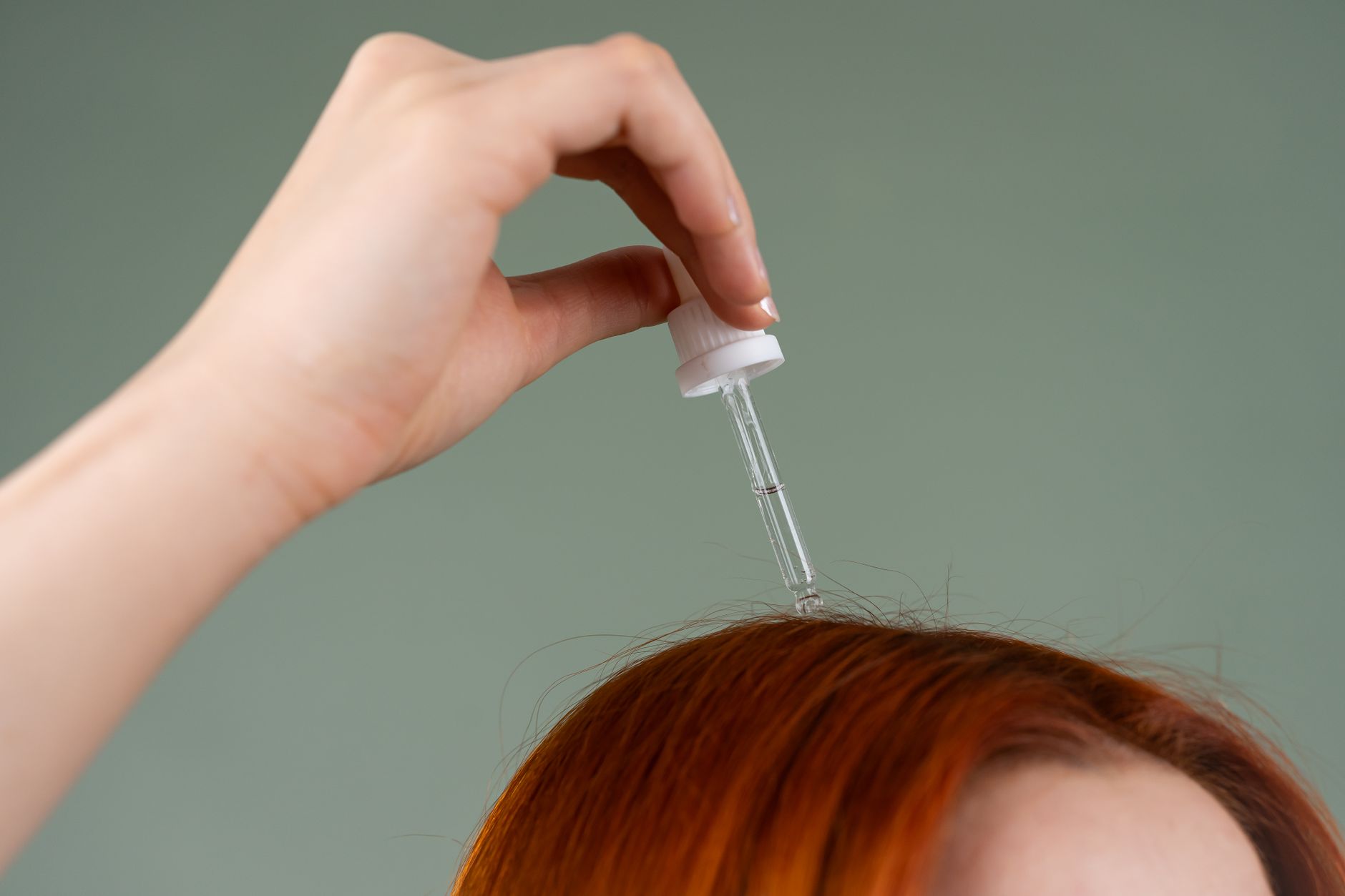
The growing popularity of Mounjaro for weight management has raised various questions about its side effects, including concerns regarding hair loss. Understanding the relationship between Mounjaro and hair health is essential for anyone considering this medication. Let’s explore the facts, potential risks, and actionable steps to mitigate hair loss if you find yourself affected.
Hair loss can be distressing and may stem from multiple factors, such as changes in diet, hormone fluctuations, or specific medications. In this article, we’ll analyze whether Mounjaro is linked to hair loss and what individuals can do to maintain healthy hair during this process.
Does Mounjaro Cause Hair Loss?
While there have been anecdotal reports of hair loss associated with Mounjaro, current scientific evidence does not definitively confirm a direct link between the medication and hair loss. Mounjaro, or tirzepatide, is mainly used for managing type 2 diabetes and weight loss by regulating blood sugar levels and appetite. However, hair loss can occur as a side effect of various medications, and it is essential to understand individual reactions.
Understanding Mounjaro
Mounjaro, known by its generic name tirzepatide, is a medication that mimics the effects of two hormones, GLP-1 and GIP, which are involved in glucose metabolism and appetite regulation. By mimicking these hormones, Mounjaro helps lower blood sugar levels and promote weight loss. However, gaining knowledge about its side effects and how it interacts with the body is crucial for any user.
How Mounjaro Works
- Increases insulin secretion
- Reduces glucagon levels
- Promotes satiety and reduces appetite
As a result of these mechanisms, many users have reported significant weight loss and improved metabolic health. However, these changes in the body can lead to various side effects, including hair loss for some individuals.
Potential Causes of Hair Loss While Taking Mounjaro
Several factors could contribute to hair loss in individuals taking Mounjaro, which may not necessarily be entirely attributed to the medication itself. Understanding these factors can help address concerns about hair health during treatment.
Dietary Changes
Weight loss medications often lead to significant dietary changes, which can result in a temporary deficiency in essential nutrients necessary for hair health. For instance:
- Protein deficiency can weaken hair and contribute to hair loss.
- Iron and zinc are crucial for healthy hair growth; their reduction can impair hair health.
- Vitamins A, C, D, E, and specific B vitamins (like biotin) support hair follicles and growth.
Hormonal Changes
As Mounjaro alters insulin and appetite-regulating hormones, it may inadvertently influence other hormone levels in the body. Hormonal fluctuations can trigger hair loss, particularly in individuals predisposed to conditions such as androgenetic alopecia.
Stress and Anxiety
Adopting a new medication or lifestyle can be stressful, and stress is a well-known factor that contributes to hair loss. Psychological stress can lead to conditions like telogen effluvium, where hair follicles enter a resting phase followed by shedding.
Identifying Hair Loss: Signs and Symptoms
Understanding the signs of hair loss is key to addressing any potential issues early. Here are some common symptoms:
- Increased shedding or hair loss while brushing or showering.
- Thinning hair on the scalp.
- A receding hairline or bald patches.
- Changes in hair texture or quality.
If you notice any of these signs while taking Mounjaro, it’s worth consulting a healthcare professional for guidance.
Next Steps: What to Do If You Experience Hair Loss
If you suspect that Mounjaro may be contributing to hair loss, consider taking the following steps to address the situation effectively:
Consult Your Healthcare Provider
The first step is to have an open discussion with your healthcare provider. They can help determine whether the medication is a contributing factor and can explore alternative treatments or dosage adjustments.
Evaluate Your Diet
Assess your current dietary habits and ensure you’re consuming adequate nutrients. Consider incorporating:
- Proteins such as eggs, lean meats, and legumes.
- Fruits and vegetables rich in vitamins and minerals.
- Whole grains to provide necessary carbohydrates.
Consult a registered dietitian if needed to help you develop a nutrient-rich meal plan that supports hair health.
Manage Stress Levels
Implementing stress management strategies can significantly improve overall health and potentially reduce hair loss. Consider activities like:
- Mindfulness and meditation
- Regular physical activity
- Getting enough sleep
- Engaging in hobbies and social activities
Consider Hair Care Practices
Caring for your hair properly can help minimize damage and promote a healthier scalp. Here are some tips:
- Use a gentle sulfate-free shampoo and conditioner.
- Avoid excessive heat styling and harsh chemical treatments.
- Limit tight hairstyles that cause tension on hair follicles.
- Regularly massage your scalp to promote blood circulation.
Supplement Wisely
Considering supplements can be beneficial for supporting hair health. Some key supplements include:
- Biotin
- Iron
- Zinc
- Omega-3 fatty acids
Before starting any new supplements, consult with your healthcare provider to ensure they are appropriate for you.
When to Seek Professional Help
If hair loss persists despite making dietary adjustments and practicing good hair care, it may be necessary to seek further evaluation from a dermatologist or trichologist (a specialist in hair and scalp health). They can help diagnose the underlying cause of hair loss and recommend targeted treatments.
Medical Treatments for Hair Loss
When confronting hair loss, various treatment options may assist in regrowth or slowing the process:
- Minoxidil (Rogaine) topical treatment for stimulating hair follicles.
- Finasteride (Propecia) for addressing hormonal causes of hair loss.
- Platelet-rich plasma (PRP) injections to promote healing and hair growth.
Consult a specialist to evaluate these treatment options based on your individual needs and health conditions.
Additional Tips for Maintaining Healthy Hair
In addition to dealing with any immediate hair loss concerns, taking a holistic approach to hair health can be beneficial. Here are some extra tips to maintain healthy hair during your Mounjaro journey:
- Stay Hydrated: Drinking enough water supports overall health, including the health of your hair and scalp.
- Regular Haircuts: Getting trims helps eliminate split ends and maintain healthy hair.
- Sun Protection: Shield your hair from sun exposure to prevent damage.
- Add Variety: Rotate hair products to keep the hair and scalp feeling refreshed.
Taking proactive steps can help combat hair loss while using Mounjaro and improve overall well-being. Stay informed and resourceful in your beauty journey.
Conclusion
While Mounjaro holds promise for weight management, hair loss can be a challenging side effect for some users. Understanding the underlying factors and adopting a holistic approach to hair care can help manage and potentially mitigate this concern. If hair loss becomes troubling, don’t hesitate to reach out to healthcare professionals for tailored advice and solutions.
Explore more resources to enhance your beauty routine and address specific concerns, including the relationships between medications and hair health. Check out our articles on tirzepatide and hair loss and postpartum hair loss for further insights.