
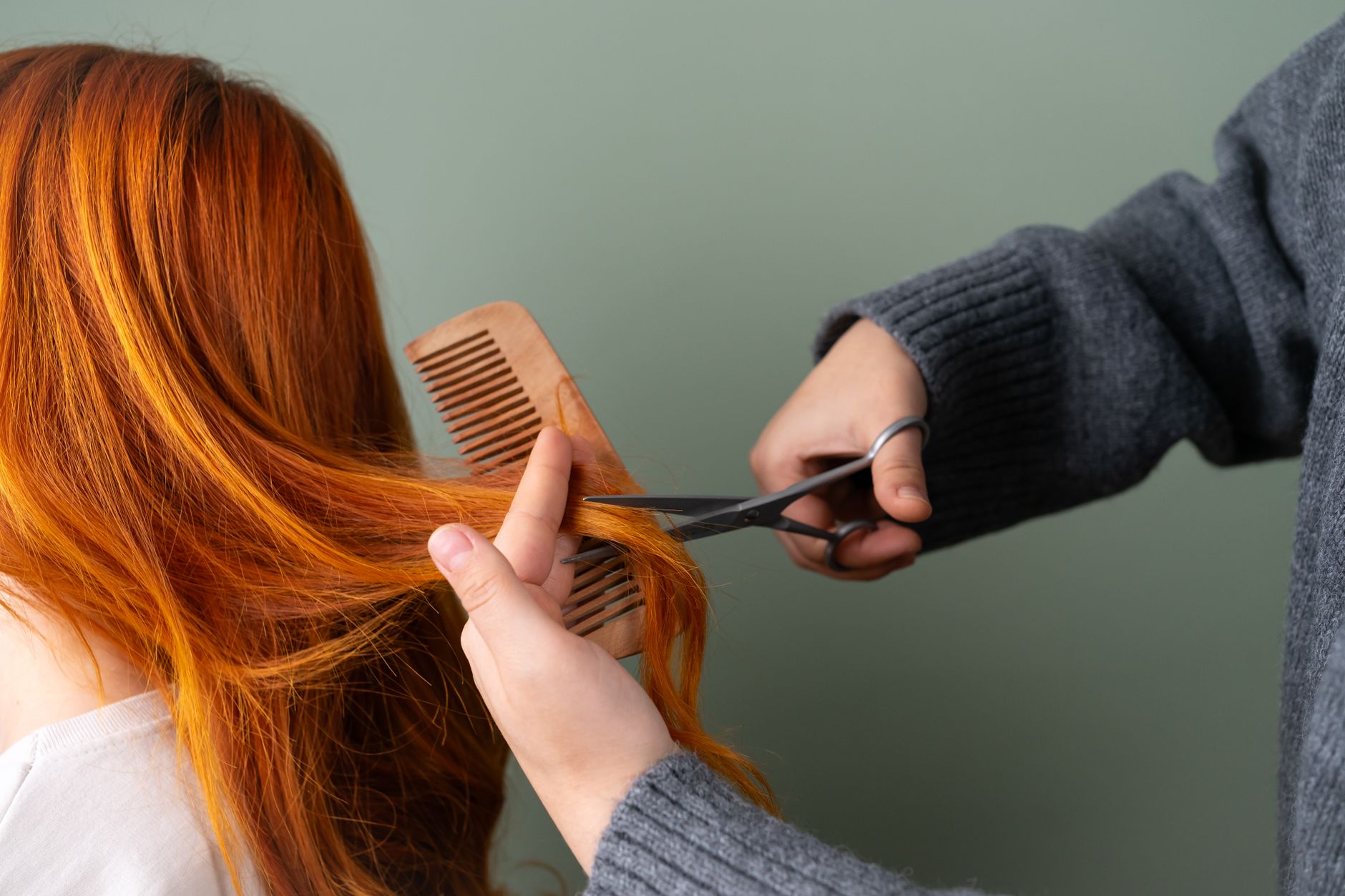
Cutting your own hair can be a daunting task, but with the right tools and techniques, it can also be incredibly rewarding. Whether you’re looking to maintain your current style, create a fresh look, or save money on salon visits, knowing how to cut your own hair can be a valuable skill. This guide will provide detailed instructions on the tools needed, step-by-step cutting techniques, and common mistakes to avoid.
In this article, we will break down everything you need to know about cutting your own hair, from selecting the right tools to executing your first cut with confidence. With practice and patience, you can achieve salon-quality results right at home.
How to Cut Your Own Hair?
To cut your own hair effectively, you need a few essential tools, a step-by-step process, and a good understanding of common mistakes to avoid. This will empower you to create a style that suits you perfectly while ensuring a clean and safe technique.
Essential Tools for Cutting Your Hair
Before diving into the actual cutting process, it’s essential to gather the right tools. Here’s a list of what you’ll need to ensure a successful haircut.
- Hair Cutting Scissors: Invest in a good pair of hair cutting shears. Avoid using regular scissors, as they can cause split ends.
- Hair Clippers: If you plan on doing shorter styles or fades, clippers with adjustable guards are a must.
- Thinning Shears: These can help blend layers and reduce bulk for a more natural look.
- Comb or Brush: A wide-tooth comb is excellent for detangling and sectioning hair.
- Hair Clips: Use these to section off hair, which helps in managing the cutting process.
- Mirror: Ideally, two mirrors will allow you to see the back of your head, or you can use a handheld mirror to check your progress.
- Measuring Tape (Optional): For precision and accurate lengths, this can be helpful.
- Water Spray Bottle: Use this to dampen your hair, making it easier to cut.
Steps to Cut Your Own Hair
Now that you’ve equipped yourself with the necessary tools, it’s time to get into the actual cutting process. Follow these steps carefully for the best results.
Step 1: Prepare Your Hair
- Start by washing your hair to remove any product buildup. Clean hair is easier to cut.
- Towel-dry your hair gently, then use a water spray bottle to dampen it until it’s slightly moist. This helps in getting an even cut.
- Comb through your hair to remove any knots or tangles, and part it the way you normally do.
Step 2: Section Your Hair
- Using the hair clips, create sections in your hair. It’s often easiest to work with the hair in four separate parts: two in the front and two in the back.
- Start with the section you want to cut first, pinning the rest away to avoid confusion.
Step 3: Decide on the Length
Before you cut, make sure you know how much length you want to remove. A good rule of thumb is to start with less than you think you need to cut. You can always trim more, but you can’t add hair back!
Step 4: The Cut
- Take a small section of hair, about an inch wide, and hold it firmly between your fingers at the desired length.
- With the scissors pointing upwards (the technique called point cutting), gently snip the ends. This creates a more textured finish and reduces the risk of blunt cuts.
- Continue this process, moving around your head and working in small sections. Check for evenness regularly by allowing your hair to fall naturally.
Step 5: Embellish with Layers (Optional)
If you want layers, take vertical sections of hair and cut them slightly shorter than your overall length. This adds movement and shape to your hairstyle.
Step 6: Check for Evenness
- Once you’ve finished cutting, let your hair down and check for any uneven areas. You can use your hand to gather hair into a ponytail and see where adjustments may be needed.
- Make small adjustments as required, and don’t forget to check how the hair looks from the back using the mirror setup.
Step 7: Finished Look
After making any adjustments, style your hair as desired. You might want to straighten or curl your hair to really see how the cut looks in its final form.
Common Mistakes to Avoid
Even with the best intentions, cutting your own hair can lead to mishaps. Here are some common mistakes and how to avoid them.
- Cutting Too Much at Once: Always cut in small increments to avoid drastic mistakes.
- Using Dull Scissors: Dull scissors can cause more split ends and a less precise cut. Keep your tools sharp.
- Forgetting to Comb: Failing to detangle can lead to uneven cuts, so ensure you always start with clean, tangle-free hair.
- Fear of Reverse Psychology: Don’t be afraid to experiment! Remember that hair grows back, and mistakes are part of the learning process.
- Ignoring Face Shape: Consider your face shape when choosing your hairstyle. Not all cuts suit all shapes, so do your research first.
Maintaining Your Self-Cut Hair
Once you’ve completed your haircut, you’ll want to maintain it to keep your style looking fresh.
- Regular Touch-Ups: Trim your hair every 6-8 weeks to keep it healthy and styled.
- Use Quality Hair Products: Nourish your hair with good conditioners and serums to keep it looking great.
- Listen to Your Hair: Adjust your routine based on how your hair reacts to your cut and styling products.
When to Seek Professional Help
Although cutting your hair at home can be convenient, there are instances when it’s best to seek professional assistance:
- If you’re looking for a drastically different style.
- If your hair is severely damaged or if you’re unsure about how to manage your cut.
- For intricate styles, like fade cuts or layered looks, you may benefit from a trained stylist’s touch.
Conclusion
Cutting your own hair might feel intimidating at first, but with practice and patience, you can achieve results you love. By using the right tools and following the steps outlined here, you’ll be well on your way to a successful haircut. Remember to take your time, start slowly, and embrace the learning process. The next time you’re due for a trim, you’ll not only save money but also gain a new skill!
If you’re interested in improving other aspects of your hair care routine, consider exploring our guides on fixing frizzy hair or trimming your beard for more tips and techniques.