
Frizzy hair is a common concern for many, leading to a lack of confidence and a battle against unruly locks. Fortunately, there are practical solutions available that can help smooth frizz and improve the overall health of your hair. With the right hair care strategies, tools, and products, managing and preventing frizz becomes far more approachable.
This comprehensive guide will provide you with easy fixes for frizzy hair, including expert tips on hair care routines, styling methods, and product recommendations. Whether your hair is straight, wavy, curly, or coily, you’ll find tailored advice to help transform your hair into a manageable and beautiful state.
How to Fix Frizzy Hair?
To fix frizzy hair, start by choosing the right hair care products, incorporating moisture into your routine, and using protective styling techniques. Regular deep conditioning, avoiding heat damage, and selecting the right styling tools also contribute to healthier hair. A few lifestyle changes can make a big difference too.
Understanding the Causes of Frizzy Hair
Before diving into how to fix frizzy hair, it’s essential to understand what causes it. Frizz occurs when the outer cuticle layer of the hair becomes damaged or unevenly raised. Here are some common causes:
- Humidity: High humidity can cause hair to absorb moisture from the air, leading to swelling and frizz.
- Lack of Moisture: Dry hair tends to become frizzy as it searches for moisture in its environment.
- Heat Damage: Frequent use of blow dryers, curling irons, or straighteners can weaken the hair cuticle, leading to frizz.
- Chemical Treatments: Hair coloring and chemical straightening can strip hair of its natural oils, increasing frizz.
- Over-washing: Washing hair too often can lead to dryness and imbalance in natural oils.
Easy Fixes for Frizzy Hair
Implementing a few easy fixes can significantly improve the manageability of frizzy hair.
1. Choose the Right Shampoo and Conditioner
Opt for sulfate-free shampoos that won’t strip your hair of its natural oils. Look for moisturizing ingredients such as:
- Shea Butter
- Coconut Oil
- Argan Oil
- Aloe Vera
Pair your shampoo with a hydrating conditioner for optimal moisture retention.
2. Deep Condition Regularly
Incorporate a deep conditioning treatment into your routine at least once a week. This can help replenish lost moisture and repair damage. Choose products with nourishing ingredients to treat frizzy hair effectively.
3. Avoid Heat Styling
Limit heat styling tools, such as flat irons and curling wands. If you must use them, always apply a heat protectant spray first to shield your hair from damage.
4. Dry Your Hair Gently
After washing, avoid vigorous towel drying, as this can rough up the cuticle and cause frizz. Instead, gently squeeze excess water from your hair and use a microfiber towel or a cotton t-shirt to dry it.
5. Use a Leave-In Conditioner
A leave-in conditioner adds an extra layer of moisture and can help tame frizz throughout the day. Look for lightweight formulas that won’t weigh your hair down.
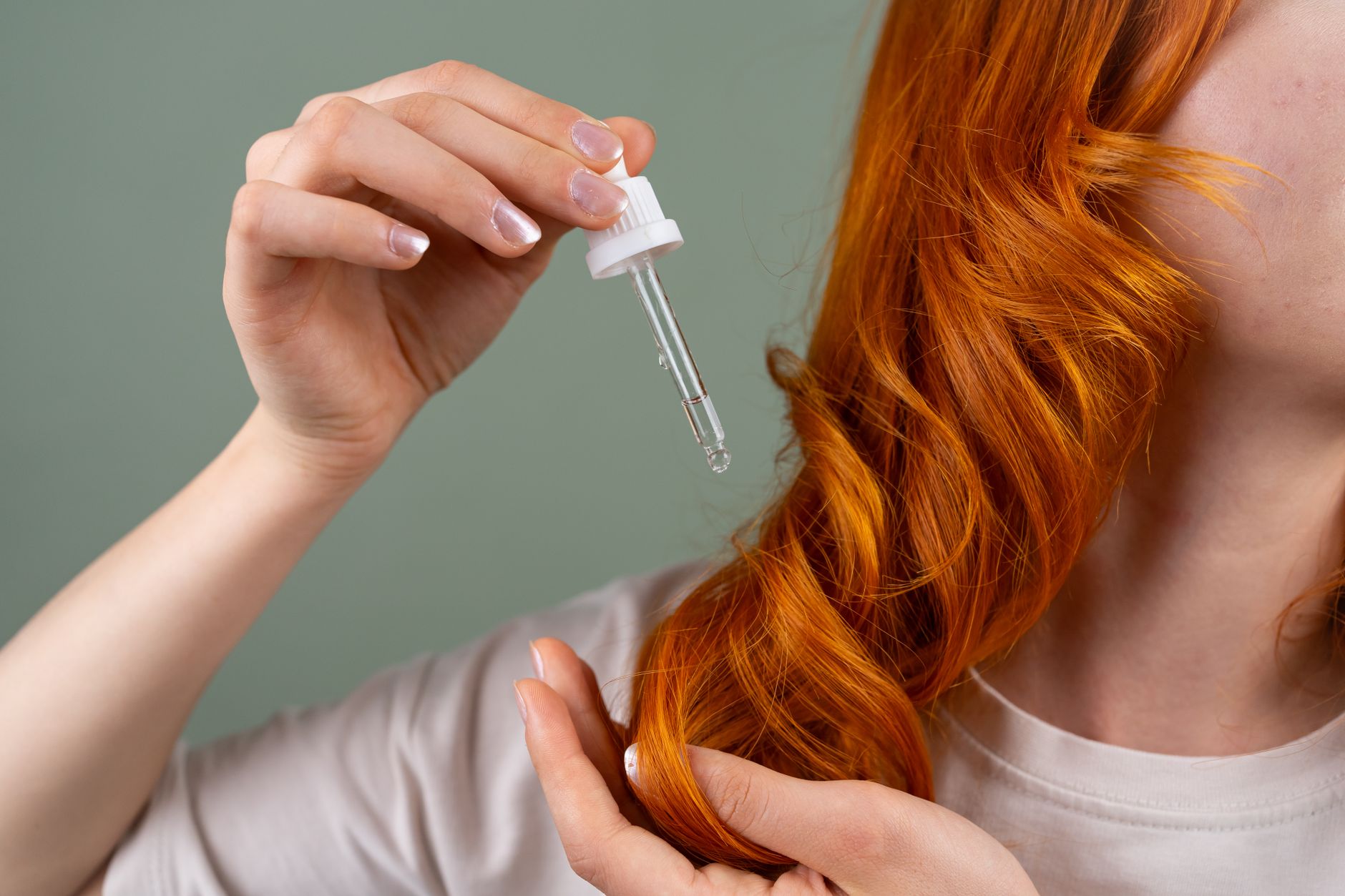
6. Opt for Anti-Frizz Serums
Serums containing silicones can coat the hair shaft and smooth the cuticle surface, making hair appear less frizzy. Apply a small amount to damp or dry hair, focusing on the ends.
7. Choose the Right Hairbrush
Use a wide-toothed comb to detangle wet hair gently. Avoid brushes, as they can create more friction and lead to frizz. For dry hair, a boar bristle brush can help distribute natural oils down the hair shaft.
Building a Hair Care Routine for Frizzy Hair
Creating a consistent routine is essential for managing frizzy hair. Here’s a practical hair care regimen to follow:
Morning Routine
- Start with a gentle, moisturizing shampoo.
- Condition your hair thoroughly to maintain hydration.
- While your hair is still damp, apply leave-in conditioner and an anti-frizz serum.
- Style your hair as desired, using low heat settings if applicable.
- Avoid touching your hair frequently to reduce frizz.
Evening Routine
- Gently detangle your hair with a wide-toothed comb before bed.
- Consider braiding your hair or pulling it into a loose bun to minimize friction.
- Apply a small amount of nourishing oil before bed, focusing on the ends.
Styling Methods to Reduce Frizz
How you style your hair can significantly impact its frizz levels. Here are some effective styling methods:
1. Air Drying
Whenever possible, allow your hair to air dry instead of blow-drying. This helps maintain moisture and reduces heat exposure.
2. Braids and Buns
Protective styles like braids or buns can help manage frizz while facilitating growth. They reduce friction and keep hair contained.
3. Use a Silk or Satin Pillowcase
Switch your cotton pillowcase for a silk or satin one. These materials create less friction, leading to fewer tangles and reduced frizz.
4. Plopping Technique for Curly Hair
If you have curly hair, try the plopping technique. After applying your hair products, lay a cotton t-shirt flat, flip your hair into it, and wrap the shirt around your hair. This method can help enhance curls and minimize frizz.
Product Recommendations for Frizz Control
Selecting the right products can make a significant difference in controlling frizz. Here are some recommended types of products:
Shampoos and Conditioners
- Moisturizing Shampoo
- Hydrating Conditioner
- Sulfate-Free Formula
Leave-In Conditioners
- Creamy Leave-In with Oils
- Lightweight Leave-In Spray
Styling Products
- Anti-Frizz Serums
- Curl Creams
- Mousse for Volume and Control
Hair Masks
- Moisturizing Hair Masks
- Protein Treatments for Repair
Common Mistakes to Avoid
While trying to fix frizzy hair, be aware of these common pitfalls:
- Overwashing: Shampooing daily can strip oils, leading to dryness and frizz.
- Using the Wrong Products: Products with alcohol or harsh ingredients can exacerbate frizz.
- Neglecting Regular Trims: Splitting ends can travel up the hair shaft, increasing frizziness.
- Ignoring the Weather: Customize your routine according to the humidity and climate around you.
Lifestyle Changes for Healthier Hair
In addition to product and styling adjustments, look at your overall lifestyle for more ways to combat frizz:
1. Hydration
Drink plenty of water to keep your hair hydrated from within. Consider incorporating hydrating foods into your diet, such as avocados and nuts.
2. Nutrition
A nutrient-rich diet supports healthy hair growth. Include vitamins, minerals, and proteins for optimal hair health.
3. Reduce Stress
High-stress levels can contribute to hair issues, including frizz. Practice activities that relax you, like yoga or meditation.
4. Limit Chemical Treatments
If possible, minimize chemical treatments or consult a professional stylist for gentle alternatives that won’t damage your hair.
Final Thoughts
Dealing with frizzy hair doesn’t have to be a daunting task. With the right techniques, products, and a consistent routine, you can achieve smoother, healthier-looking hair. Remember that everyone’s hair is unique, so it may take time to find the perfect combination that works for you. Be patient, and don’t hesitate to adjust your regimen based on your hair’s needs.
Ready to take that next step toward fabulous hair? Start by assessing your current hair care routine and consider incorporating some of these tips and products. Explore our other guides to enhance your beauty routine and tackle frizzy hair more effectively.