
Alopecia is a condition that causes hair loss, affecting individuals regardless of age, gender, or ethnicity. Understanding how you can get alopecia, its different forms, and the care options available can empower you to manage this condition effectively. This guide explores the causes of alopecia, its effects on beauty routines, and practical next steps for care.
Alopecia can occur due to a variety of factors, including genetics, hormonal changes, and autoimmune disorders. By learning about these causes and how to care for your hair and scalp, you can navigate your beauty routine with confidence and maintain a healthy appearance.
How Do You Get Alopecia?
Alopecia can be triggered by a range of factors, primarily genetic predisposition, hormonal changes, autoimmune responses, and environmental influences. Understanding these causes is crucial for anyone seeking to manage the onset of hair loss.
Genetics and Family History
Genetic predisposition is one of the most significant contributors to alopecia. If you have a family history of hair loss, there is a higher likelihood that you may experience similar issues. This hereditary pattern often manifests as androgenetic alopecia, commonly known as male or female pattern baldness, which typically leads to thinning hair and hair loss in specific areas.
Hormonal Changes
Hormones play a substantial role in hair loss. Conditions such as polycystic ovary syndrome (PCOS) in women can cause hormonal imbalances that affect hair growth. Additionally, hormonal changes during pregnancy, menopause, or thyroid dysfunction can lead to temporary or permanent hair loss.
Autoimmune Disorders
Alopecia areata is an autoimmune disorder characterized by sudden hair loss, where the body’s immune system mistakenly attacks hair follicles. This condition can lead to patchy hair loss and is believed to be influenced by genetic and environmental factors. While the exact cause remains unclear, it often coincides with other autoimmune conditions.
Environmental Factors and Stress
Environmental influences such as exposure to pollutants, harsh hair products, and even physical stress can contribute to hair loss. Additionally, emotional or physical stress can trigger temporary hair shedding, known as telogen effluvium, where hair follicles enter a resting phase and shed prematurely.
Types of Alopecia
Understanding the various forms of alopecia can help in identifying your specific situation and determining appropriate care. The most common types include:
- Alopecia Areata: Characterized by sudden, patchy hair loss that can occur at any age.
- Androgenetic Alopecia: The most common form, affecting both men and women, characterized by gradual thinning.
- Alopecia Totalis: An advanced form of alopecia areata leading to complete loss of hair on the scalp.
- Alopecia Universalis: A more severe type that results in total body hair loss.
- Telogen Effluvium: A temporary hair loss condition often caused by stress or significant life changes.
Caring for Alopecia
While there is no one-size-fits-all solution for treating alopecia, incorporating specific care strategies can help manage its effects. Below are essential steps for maintaining a healthy scalp and hair environment.
Gentle Hair Care Routines
Using gentle hair care products can make a significant difference. Opt for sulfate-free shampoos and conditioners that hydrate and nourish the hair without stripping it of natural oils.
- Choose a mild shampoo: Look for formulations that are free from sulfates and parabens, which can be too harsh.
- Condition regularly: Always follow shampooing with a conditioner to help maintain moisture and strength.
Scalp Treatments
Scalp health is vital in the management of alopecia. Regular exfoliation helps remove dead skin cells and promotes blood circulation.
- Exfoliate: Use a gentle scalp scrub or a soft brush to remove buildup.
- Incorporate oils: Natural oils such as jojoba or castor oil nourishes the scalp and can help strengthen hair follicle health.
Avoiding Damage
If you use styling tools or products, consider minimizing their use to reduce hair stress. Some additional tips include:
- Avoid tight hairstyles that can pull on the hair.
- Limit the use of heating tools like straighteners and curling irons.
- Choose soft hair accessories like fabric bands to minimize friction.
Products for Alopecia Care
Selecting the right products can greatly assist in managing alopecia and maintaining healthy-looking hair. Here are some product categories to consider:
- Shampoos and Conditioners: Look for products enriched with biotin, keratin, and natural extracts.
- Scalp Treatments: Consider topical treatments designed for scalp health, such as serums with ingredients like minoxidil for androgenetic alopecia.
- Hair Growth Supplements: These often contain vitamins and minerals crucial for hair strength and growth (always consult a professional before adding supplements).
- Essential Oils: Certain oils, like rosemary oil, may promote scalp circulation; consider diluting them with a carrier oil for safe application.
Next Steps after Diagnosis
If you suspect you have alopecia, here are practical next steps to take:
- Consult a Professional: Seek advice from a dermatologist or healthcare professional to determine the cause of your hair loss.
- Create a Care Plan: Based on your diagnosis, work with your professional to develop a tailored care plan, incorporating the tips mentioned.
- Consider Support Groups: Engaging with others who face similar challenges can provide emotional support and practical advice.
Managing Emotional Well-Being
Dealing with hair loss can have emotional effects that impact overall well-being. Here are some strategies to consider:
- Practice Self-Compassion: Acknowledge your feelings and give yourself grace as you navigate this journey.
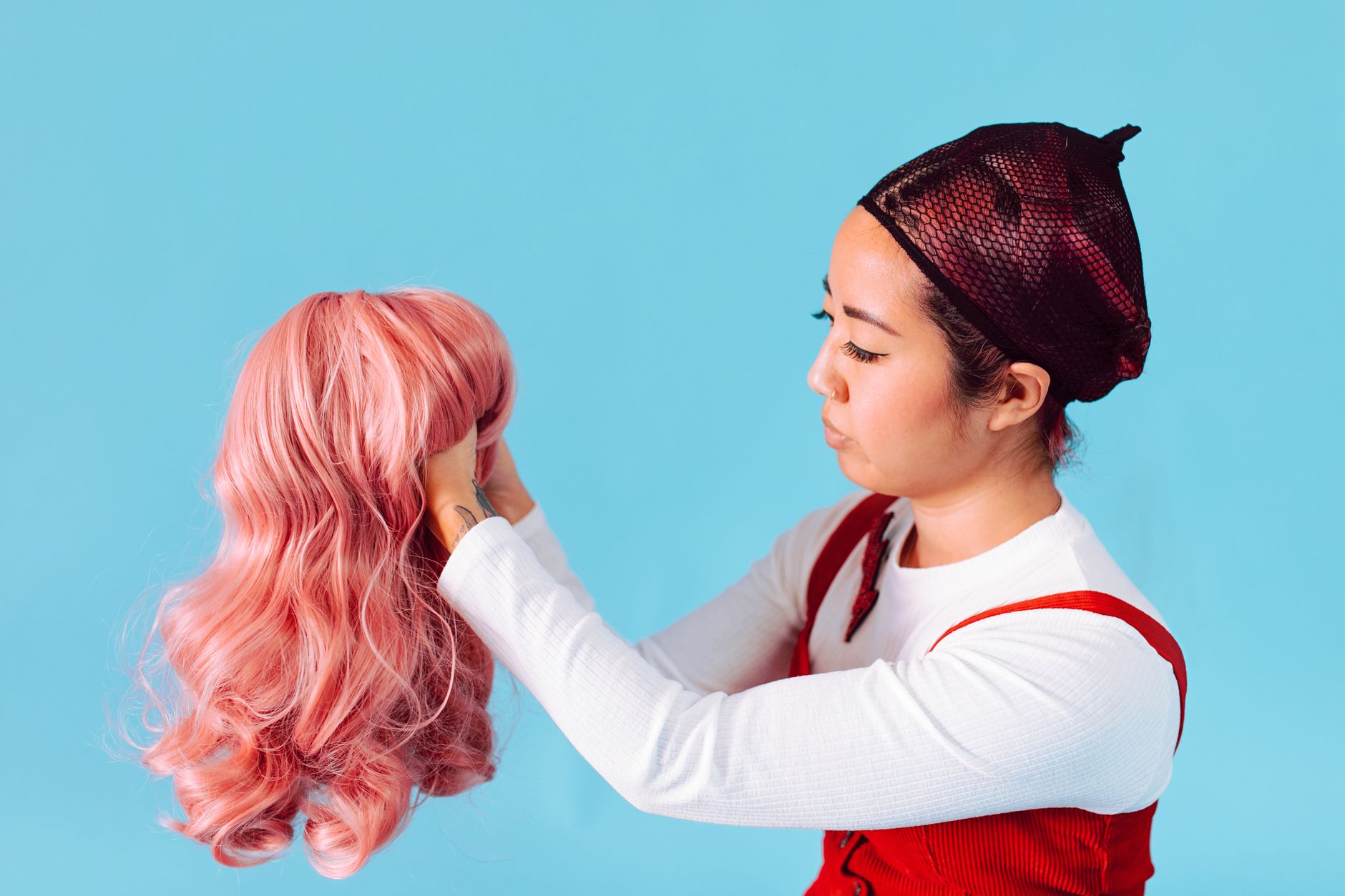
- Explore Wig or Hairpiece Options: If hair loss is significant, wigs or hairpieces can provide a sense of normalcy and confidence.
- Discuss Feelings: Talking with friends, family, or a mental health professional can provide support and perspective.
Long-term Expectations
Coping with alopecia is often not just about immediate solutions; it’s about long-term management. Hair loss may fluctuate, and what works may change over time.
Set realistic goals regarding your hair care routine and expectations for hair regrowth or preservation. Understand that some types of alopecia may be temporary and reversible, while others may require ongoing management.
Conclusion
Alopecia can be a challenging journey, but with knowledge about its causes, care, and emotional support, you can effectively manage the condition. The first step is to consult a professional, create a tailored care plan, and embrace your unique beauty.
For further insights into hair management, explore guides on What Causes Alopecia and How to Regrow Hair to deepen your understanding and discover effective strategies for hair health.