
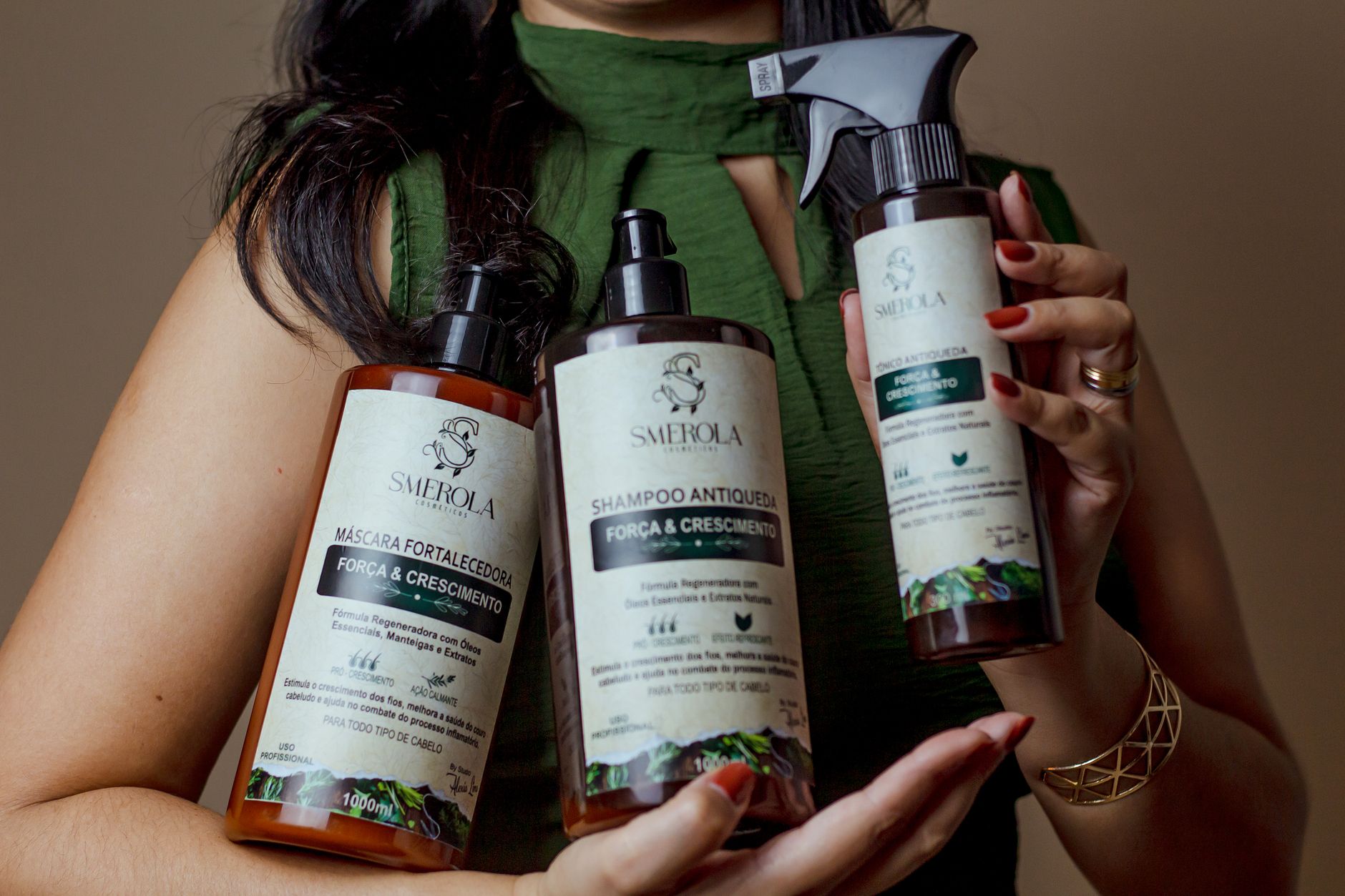
Alopecia, or hair loss, is a common yet often misunderstood condition that can affect individuals of all ages, genders, and ethnicities. It’s essential to understand the various triggers and types of alopecia to better navigate its effects and explore available care options. In this article, we will delve into what causes alopecia, the different types, and strategies for managing or coping with hair loss.
For many, alopecia is not just a cosmetic concern, but it can also affect self-esteem and mental health. Recognizing the underlying reasons for hair loss is crucial for selecting the best care routines and products to address this issue effectively.
What Causes Alopecia?
Alopecia can be attributed to a variety of factors, ranging from genetic predisposition and autoimmune conditions to environmental triggers and hormonal imbalances. Understanding these causes is the first step toward effective treatment and management.
Genetic Factors
Androgenetic alopecia, commonly known as male or female pattern baldness, is the most prevalent form of hair loss and is often hereditary. It typically manifests as gradual hair thinning, starting at the temples and crown in men, while women usually experience a broader thinning across the scalp rather than complete bald patches.
Autoimmune Disorders
Another significant cause of alopecia is autoimmune disorders, where the immune system mistakenly attacks hair follicles. The most recognized condition under this category is alopecia areata, which can result in sudden, patchy hair loss. While the exact cause is unclear, genetics and environmental factors likely play a role in triggering this reaction.
Hormonal Changes
Hormonal fluctuations due to various life stages can also contribute to hair loss. Conditions such as pregnancy, menopause, and hormonal imbalances like polycystic ovary syndrome (PCOS) can lead to increased hair shedding. Androgens, a group of hormones that includes testosterone, can also shrink hair follicles and disrupt the hair growth cycle.
Stress and Lifestyle Factors
High levels of stress can lead to a type of hair loss called telogen effluvium, where hair follicles enter a resting phase, causing shedding. Significant life events such as trauma, severe illness, or even major lifestyle changes can trigger this condition.
Environmental Factors
Certain external elements can also impact hair health. Pollution, harsh weather conditions, and exposure to chemicals in hair care products can weaken hair strands and, over time, contribute to hair loss. Additionally, practices such as excessive brushing or using heat styling tools can lead to traction alopecia, where hair is pulled too tightly, damaging hair follicles.
Nutritional Deficiencies
A balanced diet is vital for hair health, and deficiencies in essential nutrients like iron, zinc, and vitamins A, C, D, and E can lead to hair thinning. Ensuring an adequate intake of these nutrients can help support hair growth and overall scalp health.
Medical Conditions
Several medical conditions can also lead to hair loss. Issues such as thyroid disorders, lupus, and chronic illnesses can affect the body’s ability to grow and maintain healthy hair. If hair loss appears sudden or unexplained, it may indicate an underlying health issue that warrants medical attention.
Types of Alopecia
Understanding the different types of alopecia is essential for determining the most effective care options. Here are the most common forms:
Alopecia Areata
Alopecia areata is characterized by sudden, patchy hair loss that occurs in small areas, often round or oval in shape. This form of alopecia can develop at any age and is believed to be triggered by an autoimmune response. While it often resolves spontaneously, some individuals may experience recurrences.
Androgenetic Alopecia
Commonly known as male or female pattern baldness, androgenetic alopecia accounts for the majority of hair loss cases. This hereditary condition typically presents as receding hairlines or thinning hair on the scalp and is progressive in nature.
Telogen Effluvium
Telogen effluvium is a temporary hair loss condition that usually arises after a significant stressor, such as childbirth, surgery, or extreme weight loss. This type generally resolves itself once the underlying cause is treated or resolved.
Alopecia Totalis and Universalis
Alopecia totalis refers to the total loss of hair on the scalp, whereas alopecia universalis involves complete loss of all body hair. Both conditions are considered more severe forms of alopecia areata and may require more intensive treatment approaches.
Care Options for Alopecia
While there is no universal cure for alopecia, various care options can help manage the condition and promote hair growth. The choice of treatment can depend on the type of alopecia, its severity, and individual preferences.
Topical Treatments
- Minoxidil: An over-the-counter topical solution that encourages hair growth and slows hair loss. It is commonly used for androgenetic alopecia.
- Corticosteroids: Used to reduce inflammation associated with alopecia areata. These can be administered as topical treatments or through injections directly into the affected areas.
- Hair Growth Stimulators: Products containing ingredients like caffeine or biotin may help improve hair density and overall scalp health when used consistently.
Oral Medications
- Finasteride: A prescription oral medication often prescribed for men with androgenetic alopecia. It works by blocking the hormone responsible for hair follicle shrinkage.
- Immunotherapy: For cases of alopecia areata, medications such as diphencyprone (DPCP) can stimulate an immune response that may help restore hair growth.
Natural Remedies
- Essential Oils: Some studies suggest that rosemary, peppermint, and lavender oils may promote hair growth when massaged into the scalp.
- Herbal Supplements: Supplements such as saw palmetto and stinging nettle are believed to support hair health, although more research is needed.
Lifestyle Modifications
In addition to topical and oral treatments, lifestyle changes can significantly impact hair health:
- Healthy Diet: Incorporating foods rich in vitamins, minerals, and proteins can nurture hair follicles.
- Stress Management: Practices such as yoga, meditation, and regular exercise can help decrease stress and subsequently reduce the risk of stress-related hair loss.
- Avoiding Harmful Practices: Minimizing the use of harsh chemicals and heat styling tools can protect the hair and scalp.
Wigs and Hairpieces
For those experiencing significant hair loss, wigs and hairpieces can offer a temporary yet effective solution. Various styles, colors, and textures are available, allowing individuals to maintain their confidence while exploring effective treatments. Consulting with a professional stylist can provide guidance on selecting the best options for personal style and needs.
Practical Tips for Managing Alopecia
- Consult with a Dermatologist: If you notice sudden or severe hair loss, it’s advisable to see a dermatologist to determine the cause and appropriate treatment.
- Start a Hair Care Routine: Establish a gentle hair care ritual that includes sulfate-free shampoos and conditioners to protect hair health.
- Stay Hydrated: Drinking plenty of water supports overall health, including scalp and hair vitality.
- Practice Good Scalp Hygiene: Maintain a clean scalp free from excess oil and product buildup to support hair growth.
Conclusion
Alopecia can indeed be a challenging condition to navigate, but understanding its causes and available treatments can empower individuals to effectively manage and cope with hair loss. Whether exploring topical treatments, dietary changes, or support options, a personalized approach yields the best results. If you’re facing symptoms of alopecia, seeking guidance from a healthcare professional is essential for creating a tailored care regimen.
To learn more about related concerns, such as the effects of dandruff on hair loss, check out our guide on does dandruff cause hair loss, or explore whether Head & Shoulders causes hair loss for a better understanding of product impacts on your scalp health.