
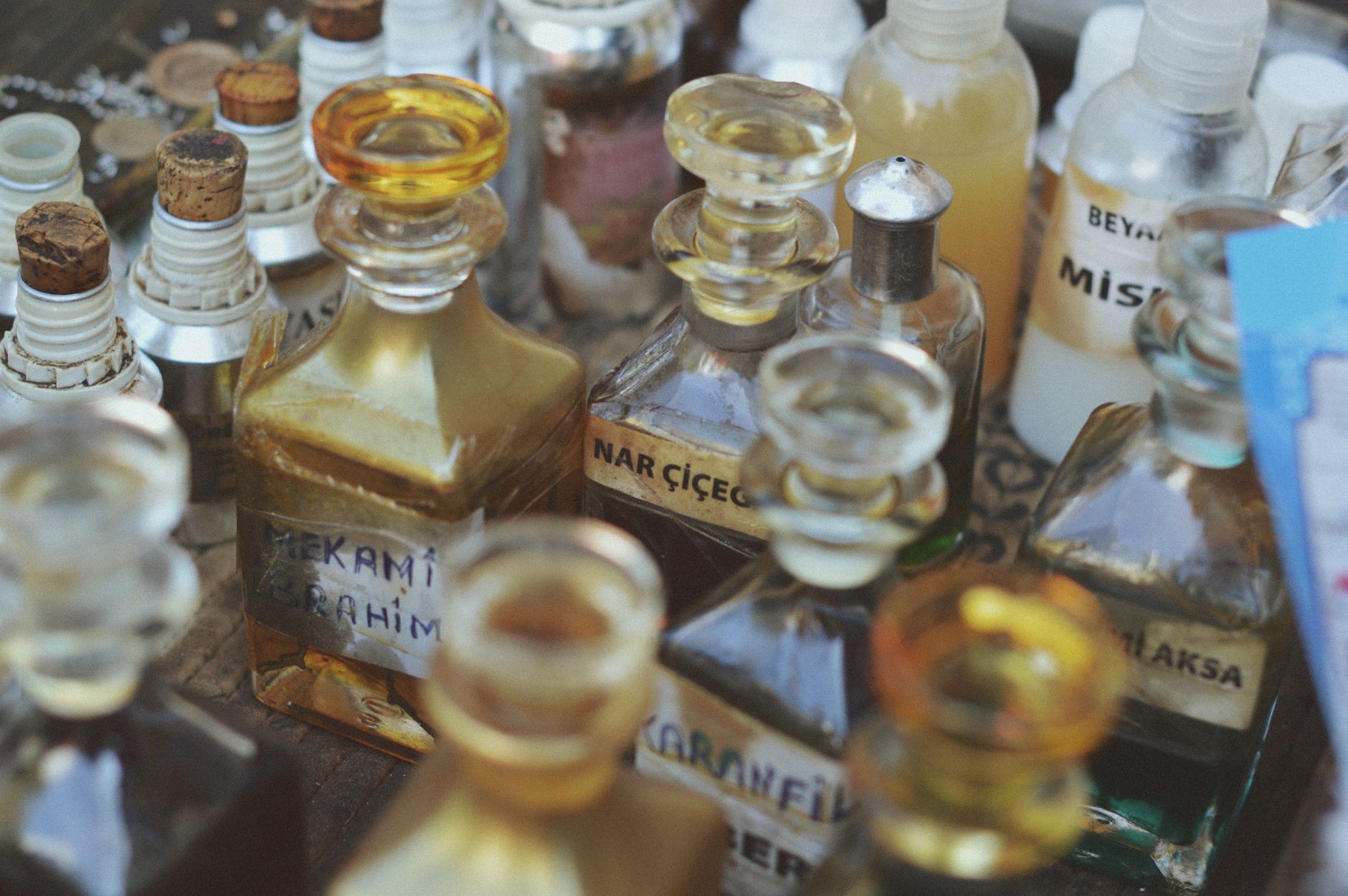
Perfume is more than just a finishing touch to your outfit; it’s an expression of personality and mood. However, many people wonder, does perfume expire? Understanding the shelf life, signs of expiry, and proper storage methods can help you maximize the life of your favorite fragrances and ensure they remain delightful and effective.
In this guide, we’ll dive deep into the world of perfume longevity, covering everything from how long a bottle typically lasts to the signs that indicate it’s time to part ways with an old fragrance. Armed with this knowledge, you can make informed choices about your fragrance collection.
Does Perfume Expire?
Yes, perfume does expire, but it’s not as straightforward as food items with clear expiration dates. Generally, a well-stored perfume can last anywhere from three to five years, depending on its formulation and storage conditions. However, several factors can influence its longevity and overall scent quality.
Understanding Perfume Shelf Life
The lifespan of a perfume largely depends on its composition. Most fragrances can be categorized into three main types, each possessing unique shelf lives:
- Parfum (Extrait de Parfum): Contains the highest concentration of fragrance oils (20-40%) and typically lasts the longest, often up to 7 years.
- Eau de Parfum (EDP): Contains about 15-20% fragrance oils and usually has a shelf life of 4-5 years.
- Eau de Toilette (EDT): Contains around 5-15% fragrance oils; its shelf life is generally around 3 years.
- Eau de Cologne (EDC): With lower concentrations of fragrance oils (2-4%), it typically lasts about 2-3 years.
While these estimates serve as general guidelines, each perfume is unique, and factors like ingredients, packaging, and environmental conditions can also play significant roles in its shelf life.
Signs Your Perfume Has Expired
Knowing the signs that indicate a perfume has expired can save you from applying scents that have degraded or changed. Look out for the following indicators:
1. Change in Color
A noticeable darkening of the liquid can suggest that the perfume is no longer fresh. While some fragrances may darken slightly over time due to oxidation, a significant shift typically indicates a problem.
2. Altered Scent
If the fragrance smells off, sour, or otherwise different from when you first opened it, this is often a telltale indication of degradation. Perfumes can lose their top notes rapidly and start to smell more like their base notes, leading to an unbalanced scent.
3. Sediment or Cloudiness
Any visible particles, cloudiness, or other changes in the perfume’s clarity suggest that the formulation may be compromised due to contamination or improper storage.
4. Evaporation
If you notice that the bottle feels lighter, even though you haven’t used it significantly, it may indicate evaporation. This happens particularly if the bottle has been opened frequently or not sealed properly post-application.
How to Properly Store Perfume
To prolong the life of your perfume, it’s essential to store it correctly. Here are some effective strategies:
- Keep it Cool: Store your perfume in a cool, dark place away from direct sunlight and heat sources. Ideal storage temperatures are between 15-20°C (59-68°F).
- Avoid Humidity: Bathrooms are typically humid and not ideal for perfume storage. Choose a dry space to minimize exposure to moisture.
- Seal the Bottle: Always close the cap tightly after use to prevent air from entering the bottle, which can speed up oxidation.
- Use Original Packaging: Keeping the perfume in its original box can protect it from light and environmental sources that can degrade the scent.
- Limit Temperature Fluctuations: Avoid moving the perfume between extreme temperature zones (like a hot car to a cold indoor area), as these fluctuations can affect the formula.
What About Natural Fragrances?
Natural perfumes or those made with organic ingredients may have shorter shelf lives due to the lack of synthetic preservatives. These can typically last anywhere from 1 to 3 years, depending on their specific components. Spices and essential oils, common in natural fragrances, can also lose potency or change smell over time.
Common Myths About Perfume Expiration
As with many areas of beauty, several myths surround perfume expiration. Let’s dispel a few of the most prevalent ones:
Myth 1: Perfume Never Expires
This is one of the biggest misconceptions. Although it often takes years for a perfume to go bad, it definitely can, especially if not stored properly.
Myth 2: If It Smells Good, It’s Good
While smelling good is a positive sign, do not ignore changes in color or clarity. Just because a perfume smells fine doesn’t mean it hasn’t started breaking down chemically.
Myth 3: All Perfumes Last Forever
Different types of perfumes have varying shelf lives. An eau de toilette will not last as long as a parfum; it’s essential to know which type you have.
Myth 4: Refrigeration is Best
While it may seem logical to keep your perfume in the fridge, the temperature fluctuations when taking it out can actually degrade the scent more quickly. A consistent cool and dark place is best.
Maximizing Your Perfume Longevity
Want to make the most out of your favorite fragrance? Here are some tips for application and wear:
- Apply at Pulse Points: Applying perfume to pulse points like wrists, behind the ears, and inside elbows can help the scent last longer due to the warmth at these locations.
- Layer with Unscented Products: Use unscented lotions or shower gels to avoid conflicting scents and allow your perfume to shine.
- Moisturize First: Applying a fragrance-free lotion before using your perfume can help lock in the scent and enhance longevity.
- Do Not Rub: After applying, avoid rubbing your wrists together as this can break down the fragrance and lessen its longevity.
How to Dispose of Old Perfume
When the time has come to bid farewell to your beloved bottle, it’s important to do so responsibly:
- Contact Your Local Waste Facility: Some local facilities have special guidelines for disposing of cosmetics and fragrances.
- Do Not Pour Down the Drain: Avoid flushing perfume down the sink as the chemicals can contaminate water supplies.
- Recycle the Bottle: If the bottle is made of glass and is empty, check if it can be recycled according to your local regulations.
Final Thoughts on Perfume Expiration
Understanding how to properly care for your perfume and recognizing the signs it may be time to let go can ensure your fragrance experience remains enjoyable. By following best storage practices, being aware of signs of expiry, and understanding the shelf life of different types of perfumes, you can make informed choices that enhance your fragrance collection.
Now that you’re well-equipped with knowledge about perfume expiration and storage, take a moment to assess your fragrance collection. If you identify any bottles that show signs of aging, consider whether it’s time to refill your favorite scent or try something new.
Explore more with our related guides on fragrance care such as how long does perfume last and whether cologne also expires. Check them out for more insights on maintaining your beauty routine.