
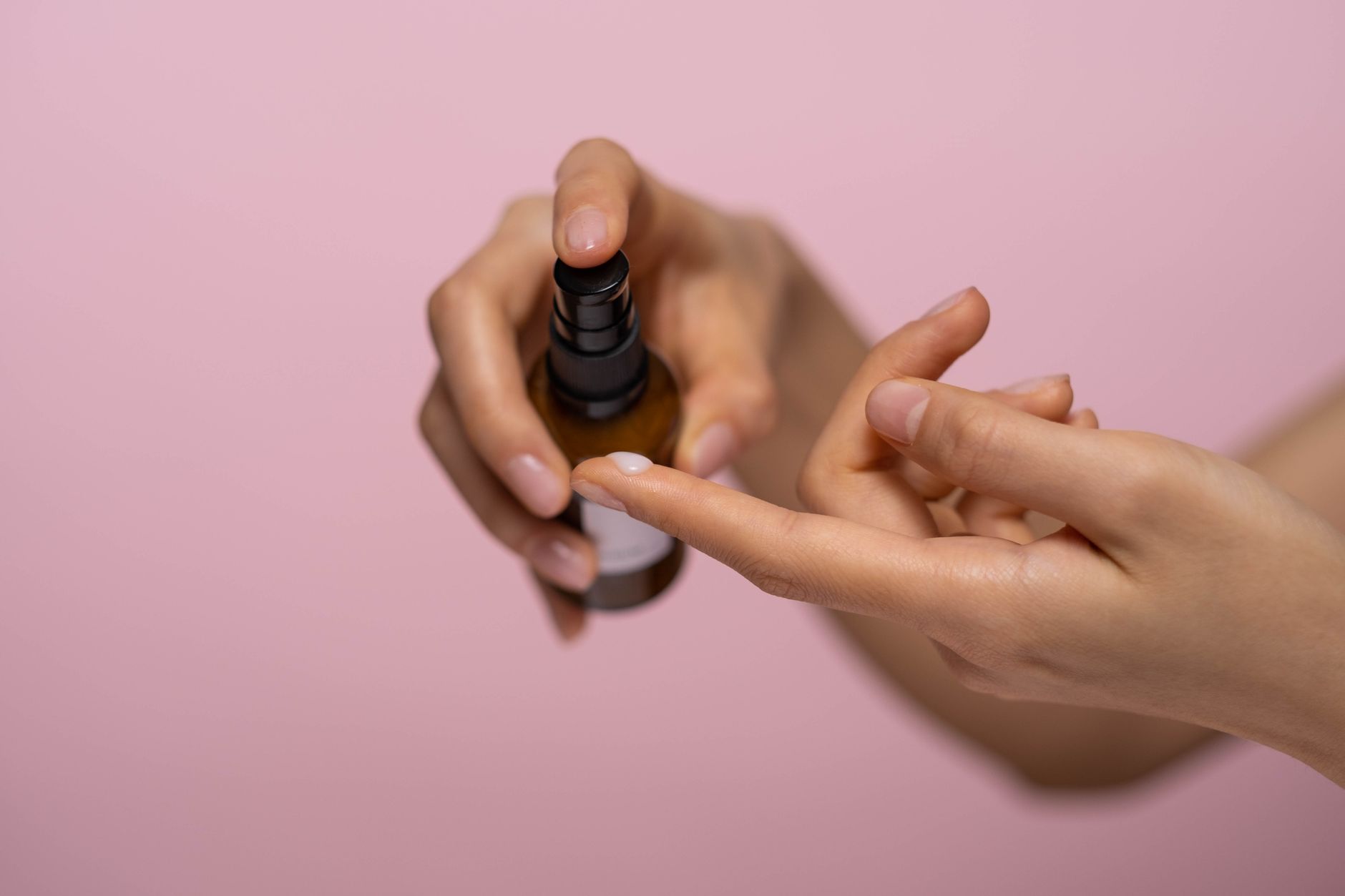
AHA, or alpha-hydroxy acid, plays an important role in skincare routines, particularly for those looking to enhance their exfoliation and improve skin texture. Derived from natural sources like fruits and milk, AHAs are known for their ability to gently slough away dead skin cells, revealing a brighter and smoother complexion.
This article will explore what AHA is, its benefits for different skin types, how to incorporate it into your skincare routine, potential risks, and essential tips to maximize its effectiveness.
What Is AHA?
Alpha-hydroxy acids (AHAs) are a class of water-soluble acids derived from fruits or milk. They are widely used in skincare products for their exfoliating properties. Common AHAs include glycolic acid, lactic acid, citric acid, and mandelic acid. Each type of AHA has unique benefits and is suited for various skin types and conditions.
Exfoliation Benefits of AHA
AHAs offer significant benefits, especially when used as part of a regular skincare routine. Here are some key advantages:
- Improved Skin Texture: Regular use of AHAs can help smooth out rough patches, making skin feel softer and look more even.
- Enhanced Radiance: By removing the top layer of dead skin cells, AHAs promote a brighter complexion and can help fade hyperpigmentation.
- Hydration: Certain AHAs, like lactic acid, can also help draw moisture to the skin, contributing to a more hydrated appearance.
- Minimized Pores: Exfoliation can help to clean out pores, potentially reducing their appearance and the occurrence of blackheads.
- Anti-Aging Effects: AHAs can aid in diminishing the appearance of fine lines and wrinkles by promoting smoother and more youthful-looking skin.
Understanding Different Types of AHAs
While many AHAs share similar benefits, knowing their distinct features can help you choose the right one for your skin type:
- Glycolic Acid: Derived from sugar cane, glycolic acid has the smallest molecules among AHAs, making it the most potent. It’s effective for sun-damaged and aging skin but may be too strong for sensitive skin.
- Lactic Acid: Found in milk, lactic acid is gentler than glycolic acid and is ideal for dry or sensitive skin. It helps with hydration while still providing exfoliation.
- Citric Acid: Citric acid is derived from citrus fruits and is often used to adjust the pH of products. It’s effective in brightening and smoothing skin.
- Mandelic Acid: With larger molecules, mandelic acid is a more gentle option, making it suitable for sensitive skin. It also has antibacterial properties, making it a good choice for acne-prone skin.
How to Incorporate AHA into Your Skincare Routine
Integrating AHA into your skincare routine can be simple. Here’s a step-by-step guide on how to do it effectively:
- Start Slowly: If you’re new to AHAs, begin by using a product containing AHA only two to three times a week. Gradually increase frequency as your skin adjusts.
- Choose the Right Product: AHAs come in various forms such as toners, serums, creams, and masks. Select a product that suits your skincare goals and preference.
- Apply After Cleansing: Use AHA products on clean skin. Apply a toner, serum, or cream according to the product instructions.
- Follow Up With Moisturizer: Always follow up with a good moisturizer to hydrate your skin and reduce the potential drying effects of AHA.
- Use Sunscreen: AHA can increase skin sensitivity to the sun. Apply a broad-spectrum sunscreen during the day to protect your skin.
Morning and Evening Routines with AHA
Understanding when to use AHA in your skincare routine can optimize its benefits:
Morning Routine
- Cleanser: Use a gentle cleanser to wash your face.
- AHA Product: If using a toner or serum with AHA, apply it to a cotton pad and sweep it over your face. Allow it to absorb.
- Moisturizing: Follow up with a hydrating moisturizer.
- Sun Protection: Always use a broad-spectrum sunscreen with at least SPF 30.
Evening Routine
- Cleanser: Start with a gentle cleanser to remove makeup and impurities.
- AHA Product: Apply your chosen AHA product (toner, serum, cream) to clean skin.
- Moisturizer: Finish off with a nourishing moisturizer to lock in hydration.
Skin Types and Considerations
AHAs can be beneficial for various skin types, but it’s important to consider your specific needs:
- Dry Skin: Lactic acid, in particular, is moisturizing and ideal for dry skin types.
- Oily Skin: Glycolic acid can help control excess oil while exfoliating and minimizing pores.
- Sensitive Skin: Opt for gentler AHAs like mandelic acid to avoid irritation.
- Combination Skin: Using a balanced formula with AHAs can help address both oily and dry areas effectively.
- Acne-Prone Skin: AHAs can help with breakouts by unclogging pores; however, it’s essential to consult with a skincare professional for tailored advice.
Potential Risks and Side Effects of AHA
While AHAs are generally considered safe, some individuals may experience side effects. It’s important to be aware of these:
- Irritation: Redness, stinging, or burning can occur, especially if you’re using a product with a high concentration of AHA.
- Sun Sensitivity: AHAs can increase your skin’s sensitivity to UV rays, putting you at greater risk for sunburn.
- Dryness: Overuse of AHAs may lead to excessive dryness or peeling. Use them in moderation.
- Allergic Reactions: In rare cases, individuals may have allergic reactions to AHAs. Always patch test new products.
How to Avoid Common Mistakes with AHA
Incorporating AHA into your skincare routine can lead to great results, but it’s essential to avoid some common pitfalls:
- Using Too Often: Over-exfoliating can lead to irritation. Stick to 2-3 times a week, especially when starting.
- Neglecting Sun Protection: Always wear sunscreen during the day to protect your skin since AHA increases sensitivity.
- Layering with Strong Actives: Be cautious when combining AHA with other strong actives like retinol or vitamin C. This can increase irritation.
- Pushing for Instant Results: Remember that skincare takes time. Be patient for the results you want.
Realistic Expectations with AHA
Like many skincare ingredients, results can vary from person to person. Here’s what to keep in mind:
- The skin improvement process can take several weeks to start seeing significant results.
- AHAs can help in managing skin texture, brightness, and clarity, but they are not miracle cures for all skin issues.
- Consistency is key for long-term benefits, so integrate AHA into your regular routine and stick with it.
Where to Find AHA Products
When searching for AHA products, you’ll come across a variety of options across different price ranges. Here are some categories to consider:
- Exfoliating Toners: These offer a quick application and are suitable for regular use.
- Serums: Concentrated forms ideal for targeting specific areas.
- Creams and Moisturizers: Formulas that incorporate AHA along with hydrating ingredients.
- Face Masks: These can provide a more intensive treatment.
Patch Testing AHA Products
Patch testing is an important step to ensure a product won’t cause irritation:
- Apply a small amount of the product to a discreet area of skin, like behind the ear or on the inner wrist.
- Leave it on for 24 hours to see if any irritation occurs.
- If no irritation develops, you can safely incorporate it into your routine.
Conclusion
AHA can be a powerful tool in achieving smoother, brighter skin when used correctly. Understanding its benefits, how to incorporate it into your skincare routine, and the necessary precautions can help unlock the potential of this ingredient without overwhelming your regimen. Remember to be patient and observant of how your skin reacts, making adjustments as needed.
For those seeking deeper insights into perfecting their skin routines or learning about other skincare techniques, take a moment to explore guides on various related topics to broaden your beauty knowledge.