
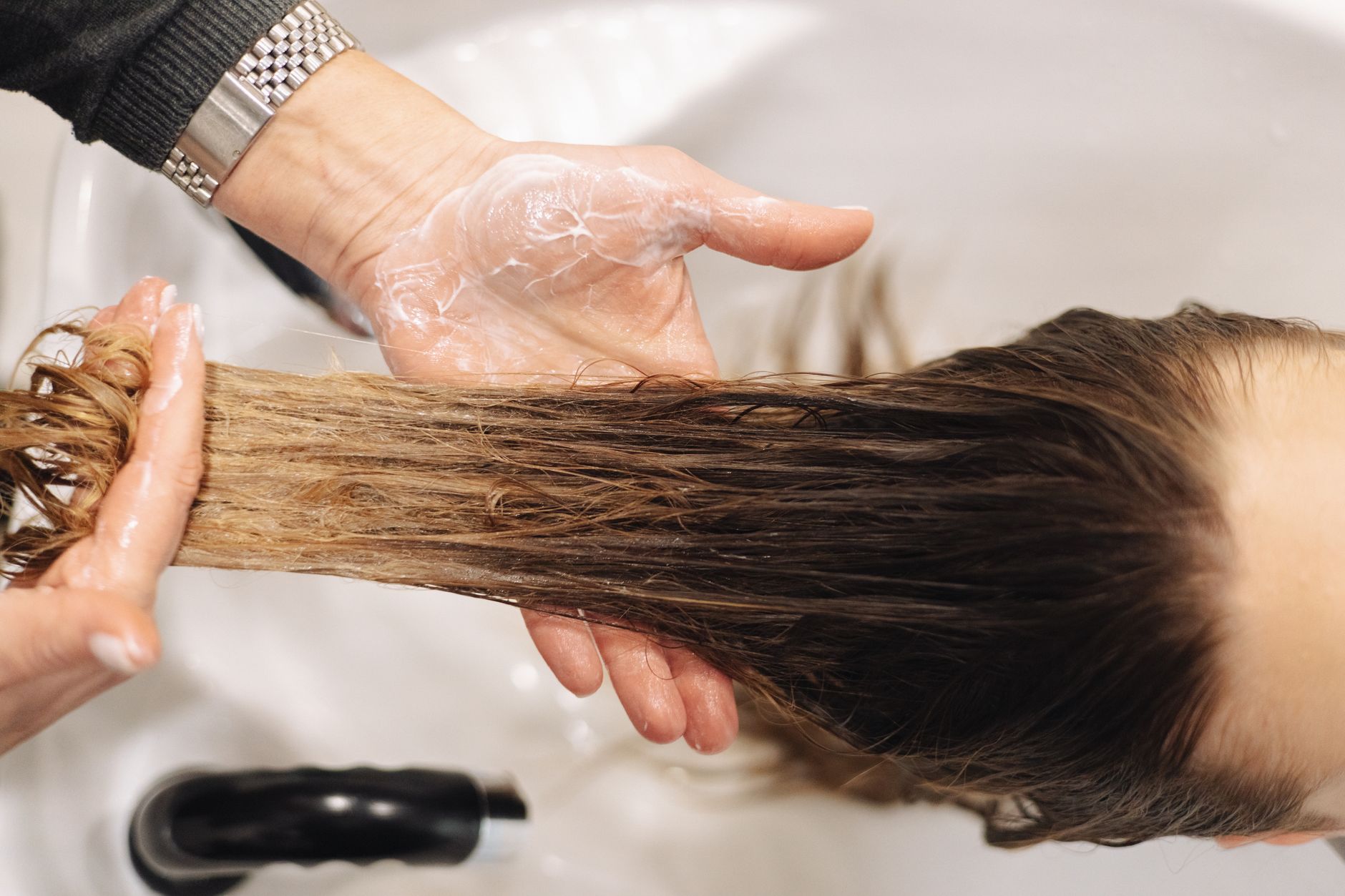
Dandruff is a common condition that many people experience at some point in their lives. It can lead to uncomfortable itching and flaking, which can be embarrassing. As a result, many individuals wonder whether dandruff could also contribute to hair loss. In this article, we will explore the connection between dandruff and hair loss, discussing what dandruff is, its causes, and whether it directly leads to hair loss.
Understanding the relationship between dandruff and hair loss can help you take more effective steps in managing both issues. Whether you are dealing with an itchy scalp or noticing strands of hair clogging your brush, let’s delve into the causes and available remedies.
Does Dandruff Cause Hair Loss?
While dandruff itself does not directly cause hair loss, it can indirectly contribute to hair thinning or shedding in certain situations. If you are experiencing chronic itching or irritation from dandruff, it may lead to excessive scratching. This could potentially damage hair follicles, resulting in hair loss over time. However, the relationship is not straightforward, and the presence of dandruff alone is not typically enough to cause hair loss.
What is Dandruff?
Dandruff is a scalp condition characterized by the shedding of dead skin cells. This flaking can occur for various reasons, including dry skin, sensitivity to hair products, or underlying skin conditions like seborrheic dermatitis. The flakes might appear white or yellowish, often becoming more noticeable when they accumulate on dark clothing or hair.
Key Characteristics of Dandruff
- Itching or irritation of the scalp
- White or yellow flakes on the scalp or hair
- Flakes that may fall onto clothes
- Red or oily patches in severe cases
Common Causes of Dandruff
To understand how dandruff operates, it’s essential to identify its causes. Dandruff can arise from various factors, including environmental influences and physical conditions.
1. Dry Skin
Individuals with dry skin are more prone to dandruff. Cold weather, low humidity, and excessive washing can exacerbate dryness. As the scalp becomes dry and flaky, it may lead to visible dandruff.
2. Malassezia Yeast
Malassezia is a type of yeast that naturally lives on the scalp. For some, it can cause irritation and an increase in skin cell turnover, leading to dandruff. This can result in an overproduction of flakes.
3. Sensitivity to Hair Products
Some hair care products contain harsh chemicals that may irritate the scalp. If you suspect that hair dyes, gels, or shampoos are causing irritation, consider switching to milder formulations.
4. Skin Conditions
Conditions such as eczema and psoriasis can also lead to dandruff-like symptoms. It’s crucial to consult with a healthcare professional if you suspect a skin condition is causing your dandruff.
5. Other Factors
Other factors that can contribute to dandruff include hormonal changes, poor hygiene, and diet. For example, a diet lacking in essential nutrients can impact skin health, potentially leading to dandruff.
Does Dandruff Contribute to Hair Loss?
Now that we’ve established what dandruff is and its common causes, let’s explore its potential link to hair loss. The body of evidence suggests that dandruff, without acute underlying complications, does not directly result in extensive hair loss. However, the way you manage dandruff can affect your hair health.
1. Itching and Scratching
One of the most significant concerns about dandruff is the itching that can accompany it. When the scalp itches, individuals may scratch their scalps excessively. This can lead to:
- Damage to hair follicles
- Inflammation in the scalp
- Increased risk of infections
All these factors could result in hair loss, not directly from dandruff, but as a negative consequence of dealing with it improperly.
2. Inflammation
Chronic inflammation of the scalp, often associated with conditions like seborrheic dermatitis, may also contribute to hair loss. Inflammation can disrupt the hair growth cycle, leading to thinning hair or shedding.
3. Psychological Stress
Dealing with visible dandruff can lead to psychological stress, which in turn can affect hair health. Stress is known to be a potential factor in conditions like telogen effluvium, where hair follicles enter a resting phase prematurely, leading to temporary hair shedding.
Managing Dandruff for Hair Health
Since dandruff may not directly cause hair loss, managing it effectively is key to maintaining a healthy scalp and hair. Here are some practical tips for managing dandruff:
1. Choose the Right Shampoo
Selecting the right shampoo can significantly help manage dandruff. Look for those containing:
- Pyrithione zinc (anti-fungal)
- Selenium sulfide (reduces yeast)
- Ketoconazole (anti-fungal)
- Salicylic acid (helps remove flakes)
It may take some time to see improvement, so be patient and consistent with your chosen product.
2. Avoid Harsh Hair Products
Avoid styling products with heavy fragrances and irritants. These can lead to additional irritation on the scalp, worsening dandruff and its associated symptoms.
3. Wash Hair Regularly
Establish a regular washing schedule that keeps your scalp clean and prevents the buildup of oils and flakes. You can adjust your routine based on your hair type—oily hair may require washing more frequently than dry hair.
4. Moisturize Your Scalp
Keep your scalp moisturized to help alleviate dryness. Natural oils like coconut oil or argan oil can help soothe the scalp while adding hydration. Apply a small amount before washing as a pre-shampoo treatment.
5. Avoid Scratching
Resist the urge to scratch your scalp, as it can lead to irritation and potential hair loss. Instead, try gentle massage techniques to relieve itching, or apply cool compresses to soothe the scalp.
6. Maintain a Healthy Diet
A balanced diet rich in vitamins and minerals can contribute to overall scalp health. Focus on:
- Omega-3 fatty acids (found in fish, walnuts)
- Zinc (found in nuts, seeds, whole grains)
- Vitamins B and D
What to Do if Dandruff Persists?
If dandruff symptoms do not improve despite home treatments, it may be time to consult a healthcare provider. They can help determine if there is an underlying skin condition or recommend stronger treatments. Options may include:
1. Prescription Shampoos
A healthcare provider may prescribe medicated shampoos that contain stronger active ingredients to tackle stubborn dandruff.
2. Scalp Treatments
For severe cases, topical treatments with corticosteroids or other anti-inflammatory agents may help reduce inflammation and flaking.
3. Lifestyle Changes
Sometimes, simple lifestyle modifications can have a significant impact. Reducing stress through relaxation techniques, getting adequate sleep, and avoiding known irritants can provide relief.
Conclusion
To summarize, dandruff does not directly cause hair loss, but it can contribute to hair thinning when associated with itching, inflammation, or stress. Consistent and effective dandruff management can help you maintain a healthy scalp and minimize any indirect effects on hair health. Consider adopting a comprehensive hair care routine to address both dandruff and the overall health of your hair.
If you’re looking for practical tips to eliminate dandruff, check out how to get rid of dandruff. To explore natural remedies for stimulating hair growth, see our guide on rosemary oil for hair growth.