
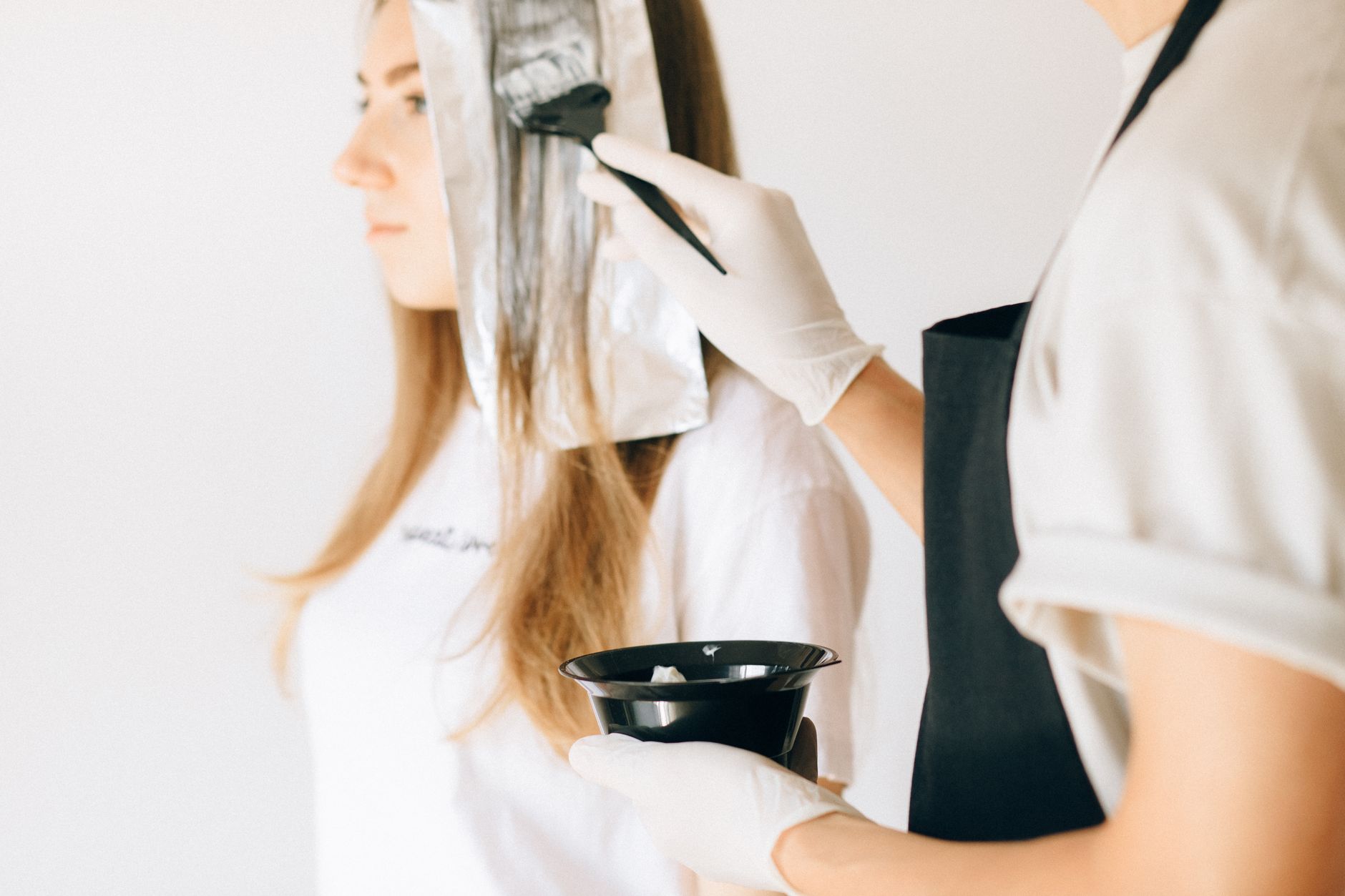
Dyeing your hair is a common way to change your look, express your style, or cover gray strands. However, if you’re considering dyeing your hair while it’s still wet, you might be wondering, “Can I dye my hair wet?” This guide will explore the risks associated with this practice, potential results, and alternatives to ensure you achieve your desired hair color effectively and safely.
Understanding the science behind hair dyeing and the best practices for applying color is essential to avoid unintentional mishaps. Whether you’re a seasoned pro or trying it for the first time, let’s dive deep into the topic of dyeing hair and wetness.
Can I Dye My Hair Wet?
The answer to this question largely depends on the type of hair dye you are using. Most hair dyes are specifically formulated for application on dry hair. Applying hair dye to wet hair can alter the chemical reactions involved in the dyeing process, potentially leading to unpredictable results.
When hair is wet, it can dilute the dye and make it less effective, leading to uneven color distribution or a less vibrant result. While some believe that damp hair can help the dye spread more easily, it often results in a hair color that lacks depth and richness. For these reasons, most professionals recommend dyeing hair only when it is completely dry.
The Risks of Dyeing Wet Hair
While dyeing wet hair can be attempted, it comes with several risks that you should consider:
- Uneven Color Application: Wet hair can cause the dye to spread unevenly, which may result in patchy areas or inconsistent color.
- Color Dilution: Water can dilute the dye’s potency, making it less effective and leading to faded results.
- Increased Chemical Reactions: Wet hair can chemically react differently with the dye, potentially leading to unexpected or undesired results.
- Longer Processing Time: If dye is applied to wet hair, it may require longer processing times for the color to develop properly.
Expected Results When Dyeing Wet Hair
The results of dyeing wet hair are often disappointing. You may end up with:
- Duller Colors: Colors often appear muted or washed out since the dye does not adhere properly.
- Unpredictable Shades: Wet hair can cause the dye to mix differently, resulting in a color that is not what you intended.
- Inconsistency: Areas of hair can look significantly different, particularly if different parts of your hair are wet to varying extents.
Alternatives to Dyeing Wet Hair
Instead of dyeing your hair when it’s wet, consider these alternatives for better and more consistent results:
1. Dyeing on Clean, Dry Hair
The best practice is to dye your hair when it’s clean and completely dry. This ensures that the dye can penetrate the hair shaft effectively and produce vibrant results. Here’s how to go about it:
- Wash Your Hair: Use a gentle shampoo to remove any product buildup. Skip conditioner to allow the dye to cling better to your hair.
- Towel Dry: Gently towel dry your hair to remove excess moisture but do not let it air dry completely if you plan to style afterward; it should be slightly damp.
- Apply the Dye: Divide your hair into sections and apply the dye evenly, ensuring total coverage is achieved.
- Follow the Instructions: Always adhere to the product directions regarding processing time for optimal results.
2. Semi-Permanent and Temporary Dyes
If you are looking for a more forgiving option or wish to experiment with color, try semi-permanent or temporary hair colors. These products are generally less damaging and may provide more flexibility in application.
3. Use of Hair Oil or Conditioners
For those who still prefer to apply dye to ‘damp’ hair, consider applying a small amount of hair oil or leave-in conditioner beforehand. This step will create a barrier that can minimize damage while ensuring a smoother application.
Steps for Successful Hair Dyeing
If you have decided to dye your hair at home, follow these steps for best results:
- Choose Quality Hair Dye: Invest in a reputable brand that matches your desired results.
- Perform a Patch Test: Always do a patch test ahead of time to ensure you do not have an adverse reaction to the dye.
- Protect Your Skin: Apply petroleum jelly around your hairline to protect your skin from staining.
- Section Your Hair: Divide your hair into small sections to ensure even application.
- Follow Timing Instructions: Different dyes have different processing times. Adhere strictly to these guidelines.
- Rinse Thoroughly: Once the time is up, rinse your hair thoroughly with cool water until the water runs clear.
- Condition Your Hair: Apply a color-protecting conditioner to lock in the color and keep hair hydrated.
Common Mistakes to Avoid
As with any beauty routine, there are common mistakes to avoid when dyeing your hair:
- Skipping the Pre-Dye Routine: Do not skip the wash and dry steps previously discussed.
- Not Following Instructions: Adhering to the dye-specific instructions is key for achieving the desired outcome.
- Neglecting Hair Type and Texture: Different hair types react differently to dye. Be aware of your hair’s specific needs and parameters.
- Rushing the Process: Allow enough time for application and processing; rushing can lead to mishaps.
- Misjudging Color: Choose a color that suits your skin tone and hair type; classic rule-of-thumb guides can help.
Hair Care After Dyeing
Once you have dyed your hair, maintaining its health is crucial. Here are some after-care tips:
- Invest in Color-Safe Shampoo: Choose a sulfate-free shampoo designed for color-treated hair.
- Avoid Heat Styling: Minimize the use of heat on your hair for a few days post-dye to give it time to settle and avoid damage.
- Deep Condition Regularly: Incorporate deep conditioning treatments into your routine to maintain moisture levels.
- Limit Washing Frequency: To extend the life of your color, try to wash your hair less frequently.
Conclusion
While it may be tempting to dye your hair while it’s still wet for convenience, the risks often outweigh the potential rewards. For the best results, dye your hair when it’s clean and completely dry. Always follow the manufacturer’s instructions, and take careful steps to prepare your hair for dyeing.
As we’ve covered, dyeing hair can be a straightforward process when done correctly. By understanding your hair’s needs and following best practices, you can achieve stunning results without the disappointment of uneven color or dull outcomes.
If you’re looking for more information and guides, check out our articles on dyeing your hair wet and how long to leave hair dye in for comprehensive tips and tricks!