
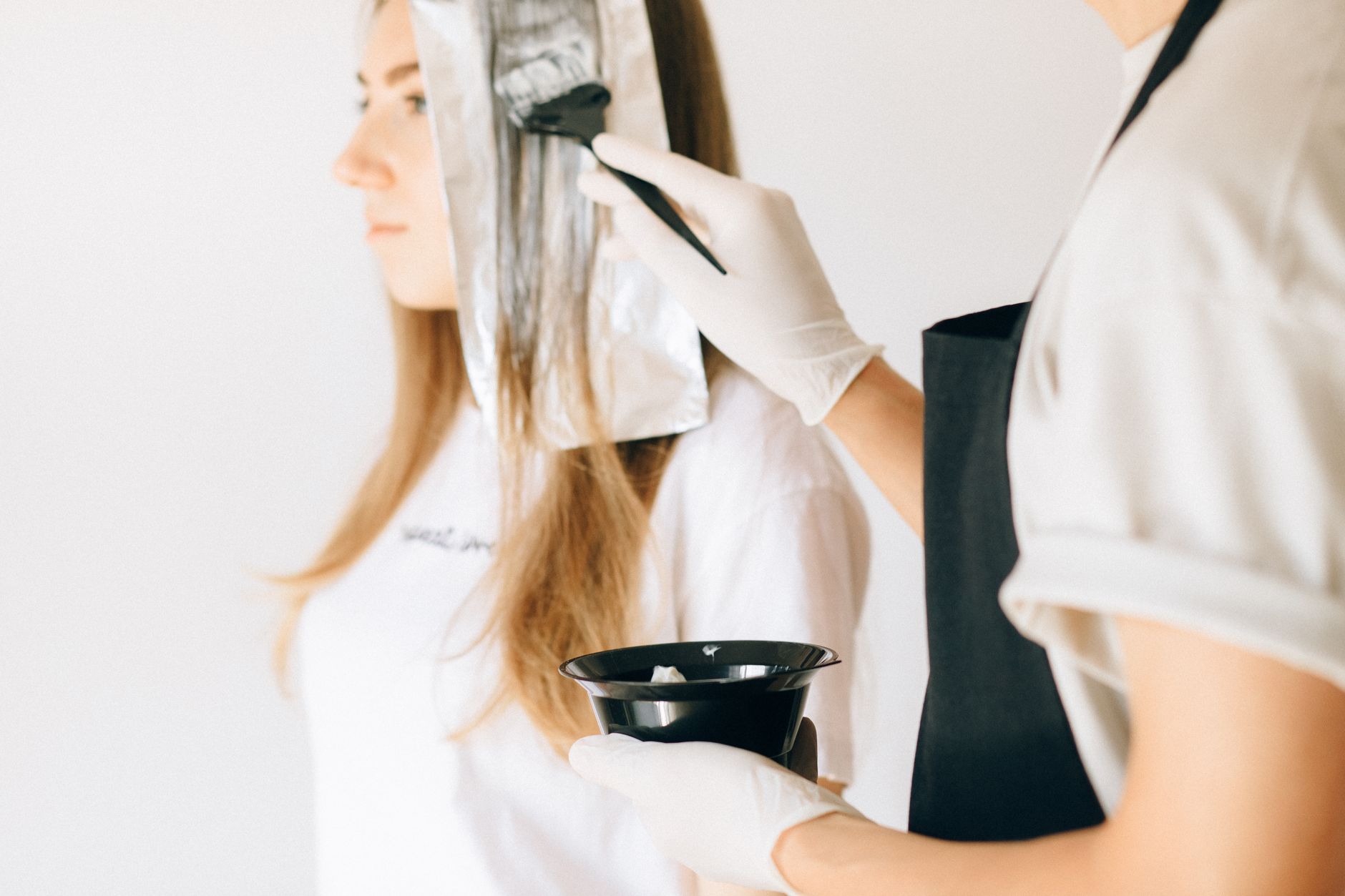
Dyeing your hair can be a fun and expressive way to change your look, but the method you choose can significantly affect the results. An interesting question often arises: Can you dye your hair wet? This article explores the implications of wet hair dyeing, safe steps, and alternatives you might consider for the best results.
Whether you’re looking to refresh your color, cover grays, or dive into a bold new hue, it’s essential to understand how the condition of your hair can influence the dyeing process. Let’s break down the facts!
Can You Dye Your Hair Wet?
Yes, you can dye your hair when it’s wet, but it is not generally recommended. Wet hair can dilute the hair dye, potentially leading to uneven color results and a longer processing time. Clean, dry hair allows for better absorption of the dye and a more consistent outcome.
Understanding Hair Preparation
Before diving into the dyeing process, understanding how to prepare your hair is crucial. Proper preparation helps you achieve the look you want and can also protect your hair’s health.
1. Assess Your Hair’s Condition
Depending on your hair type and conditions, you may need extra pre-dyeing care. Here’s what to consider:
- Hair Texture: Fine hair may absorb color faster than coarse hair. Coarse or curly hair may need different techniques or even more product for saturation.
- Hair Damage: If your hair is damaged or over-processed, you might want to skip dyeing altogether or use a gentler formula.
- Scalp Health: Ensure your scalp is healthy; any irritations can be aggravated by hair dye.
2. Cleanse Your Hair
A good wash is vital! Clean hair free from any product build-up, oil, or dirt will hold color more effectively. Use a gentle shampoo, and consider a clarifying shampoo if you have significant product residue.
3. Avoid Conditioners
Avoid using conditioner right before dyeing. Conditioners coat the hair, which can repel dye and lead to uneven color. If your hair needs conditioning, apply it after dyeing.
The Case Against Dyeing Wet Hair
While you can dye your hair when it’s wet, there are several reasons not to:
1. Dilution
Wet hair can dilute the dye, affecting the vibrancy of the color. The water in your hair can weaken the dye’s effectiveness, often resulting in a less intense color.
2. Uneven Application
Dyeing wet hair can lead to uneven application. The water can create barriers, preventing the dye from penetrating some strands, which can lead to patchy coloration.
3. Prolonged Processing Time
Wet hair may require a longer processing time for the dye to fully penetrate the hair cuticle. This can lead to additional waiting periods, which might stress your hair further.
Best Practices for Dyeing Dry Hair
Now that we understand the risks of dyeing wet hair, let’s talk about the best practices for dyeing your hair when it’s dry.
1. Gather Your Supplies
Before starting, ensure you have everything you need:
- Hair dye suited to your color goals
- Gloves to protect your hands
- A brush for application
- A bowl for mixing
- Towels to protect your clothing and workspace
- Old shirts or an apron, as dye can stain
- Vaseline or barrier cream to protect your skin (optional)
2. Section Your Hair
Divide your hair into manageable sections using hair clips. This allows for easier application and ensures every strand is treated with dye.
3. Apply the Dye
Start applying the dye from the roots down to the ends. Ensure even coverage by working the dye through each section with your fingers or a brush.
4. Follow the Timeline
Refer to the instructions provided with your dye. Timing can vary significantly between formulas, so adhere to these guidelines. Set a timer to avoid over-processing!
5. Rinse and Treat
Once you’ve let the dye sit for the recommended time, rinse your hair with lukewarm water until it runs clear. Follow with a color-safe conditioner to nourish your hair and seal in the color.
Alternatives to Wet Hair Dyeing
If you’re looking to explore alternatives or methods that accommodate wet hair applications, consider the following options:
1. Color-Depositing Conditioners
These products combine conditioning and color, allowing you to refresh your dye while keeping your hair hydrated. They can be applied to wet hair without the dilution issues associated with traditional dyes.
2. Semi-Permanent Dyes
Semi-permanent dyes often work better on damp hair. These shades are less damaging and fade gradually over time, making them ideal for a temporary change.
3. Hair Chalks and Temporary Sprays
If you want to test out fun colors, consider hair chalks or temporary sprays that can be applied to wet hair. These products provide a quick pop of color without the commitment of traditional dye.
Common Mistakes When Dyeing Hair
While dyeing your hair can be straightforward, several common mistakes can lead to less-than-ideal outcomes. Here’s how to avoid them:
1. Ignoring Patch Tests
Always perform a patch test 48 hours before applying hair dye to check for any allergies or reactions.
2. Skipping Instructions
Each product comes with specific instructions; skipping them can lead to mishaps. Always read the manufacturer’s directions carefully.
3. Applying Heat
Applying heat to your hair while the dye is processing can lead to damage. It’s best to leave your hair in a cool, undisturbed environment for optimal results.
4. Overuse of Dye
Overusing hair dye, particularly on already dyed hair, can lead to serious damage. Keep colors fresh but avoid dyeing too frequently!
Post-Dye Care for Healthier Hair
After dyeing your hair, proper care is crucial to maintaining color vibrancy and overall hair health. Here are essential tips:
1. Use Color-Safe Products
Invest in shampoos and conditioners specifically designed for colored hair. These usually contain fewer harsh ingredients to help extend the life of your color.
2. Limit Washing Frequency
The more you wash, the quicker your color fades. Try to limit washing your hair to a few times a week, and consider dry shampoo in between washes.
3. Protect from Heat
Heat styling can strip color. When using heat tools, always apply a heat protectant spray beforehand to minimize damage.
Conclusion
In summary, while dyeing wet hair is possible, it’s not advisable due to potential dilution, uneven application, and extended processing times. For the best results, dye your hair when it’s clean and dry, following the right steps and precautions. Always choose high-quality products and take good care of your hair both before and after dyeing.
Ready to take the plunge into a new hair color? Check out our guides on how to bleach your hair and how long to leave hair dye in to make your dyeing experience as fabulous as it can be!