
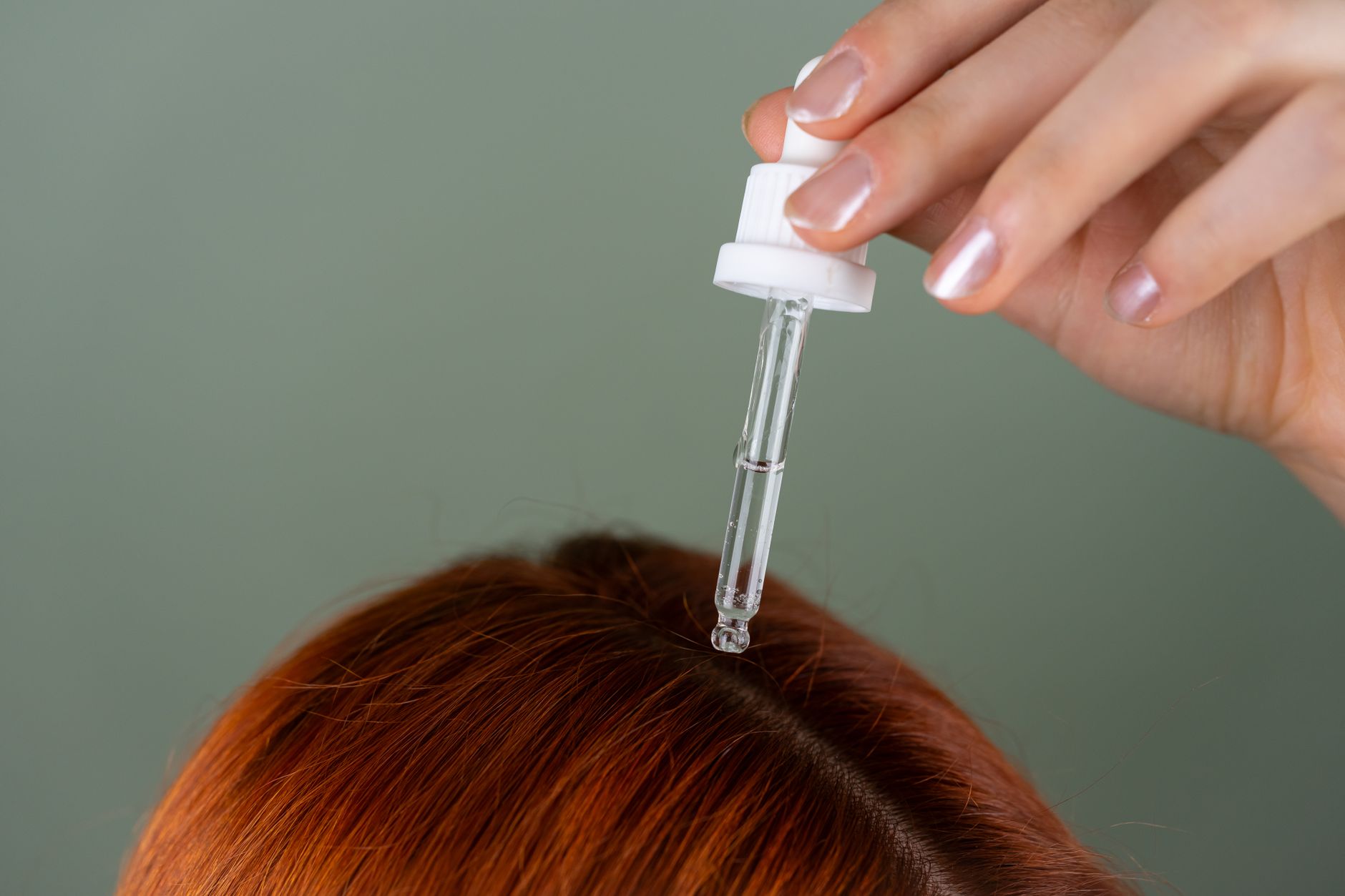
Tirzepatide, a novel medication approved for weight management, is generating buzz in beauty and health circles. As users begin their journey with this medication, many are concerned about potential side effects, particularly hair loss. Understanding the implications of Tirzepatide on hair health is crucial for those considering this treatment.
This article explores the relationship between Tirzepatide and hair loss, what the research says, risks involved, and tips to mitigate any adverse effects. Arm yourself with the facts to make informed decisions about your beauty and health routine!
Does Tirzepatide Cause Hair Loss?
While there is currently limited direct evidence linking Tirzepatide to hair loss, anecdotal reports from some users suggest this could be a potential side effect. It’s essential to understand the context and mechanisms involved.
Understanding Tirzepatide
Tirzepatide is a peptide designed for managing weight and improving glycemic control in patients with type 2 diabetes. By mimicking naturally occurring hormones that regulate appetite and insulin, it helps in effective weight management. Besides its weight-loss benefits, understanding its broader implications on health, including hair health, is essential.
Mechanism of Action
Tirzepatide works by acting on multiple receptors including GLP-1 (Glucagon-like peptide-1) and GIP (Gastric Inhibitory Polypeptide), both of which play roles in appetite regulation. Some studies indicate that metabolic changes due to such medications could indirectly affect hair health.
Potential Side Effects
Just like any medication, Tirzepatide comes with potential side effects. Commonly reported side effects include nausea, diarrhea, and decreased appetite. However, hair loss is not universally documented among the main side effects, yet it may occur in some individuals.
Is There a Connection Between Tirzepatide and Hair Loss?
The connection between Tirzepatide and hair loss is not firmly established in clinical studies. However, several elements can contribute to hair loss in those taking medications like Tirzepatide.
Understanding Hair Loss Types
Before delving deeper, it’s essential to differentiate among types of hair loss:
- Alopecia Areata: An autoimmune condition leading to patchy hair loss.
- Telogen Effluvium: Often triggered by stress or sudden changes in the body, leading to excessive shedding.
- Androgenetic Alopecia: Commonly known as male or female pattern baldness, influenced by genetics.
Potential Mechanisms of Hair Loss with Tirzepatide
While there is no direct evidence of Tirzepatide causing hair loss, several factors contribute to hair health that could intersect with its use:
- Rapid Weight Loss: Fast body weight changes can lead to telogen effluvium, causing hair to enter the shedding phase prematurely.
- Nutrient Deficiency: If Tirzepatide causes decreased appetite or gastrointestinal issues, this may lead to insufficient nutrient intake crucial for hair health, such as iron, biotin, and vitamins.
- Hormonal Changes: Hormonal regulation may indirectly affect hair follicles, contributing to hair thinning.
Research Evidence on Hair Loss and Tirzepatide
As of now, systematic studies specifically addressing the connection between Tirzepatide and hair loss are limited. The majority of available information is based on personal anecdotes reported within online platforms and forums rather than large-scale scientific studies.
Clinical Trials and Reports
During clinical trials, participants noted various side effects predominantly related to gastrointestinal health but not explicitly hair loss. However, individual responses to medications can vary significantly across different populations.
Risks to Consider
If you’re considering Tirzepatide, it’s crucial to weigh potential risks against its benefits. Here are some considerations regarding hair loss:
Personal Health History
For individuals with prior history or family history of hair loss, starting a new medication that may induce changes in body weight or metabolism necessitates extra caution. Consult your healthcare provider to discuss your specific health concerns.
Managing Expectations
Weight loss could bring physical benefits, but if it occurs too quickly, it may also lead to hair shedding. Setting realistic goals about the rate of weight loss could help mitigate this risk.
Tips to Protect Your Hair While Using Tirzepatide
While concerns about hair loss from Tirzepatide may exist, there are proactive strategies you can implement to protect your hair health throughout your treatment.
Nourish from Within
Maintaining a balanced diet rich in the following nutrients can help support overall hair health:
- Biotin: Often referred to as vitamin H, it helps in maintaining healthy hair and nails.
- Iron: Essential for delivering oxygen to hair follicles, a deficiency can lead to hair shedding.
- Omega-3 Fatty Acids: Found in fish and flaxseeds, they promote scalp health and reduce inflammation.
- Vitamins A, C and E: Important for maintaining a healthy scalp.
Gentle Hair Care Practices
Be mindful of your hair care routines. Adopting the following practices can minimize hair damage and loss:
- Avoid excessive heat styling tools that can lead to breakage.
- Use a wide-tooth comb to detangle hair gently.
- Consider a silk or satin pillowcase to reduce friction while you sleep.
- Limit chemical treatments, such as dyes and relaxers, which can stress hair.
Consultation with Professionals
Engage with professionals like dermatologists to discuss any hair loss concerns. They can provide personalized recommendations based on your treatment plan and offer measures for potential hair restoration.
Other Factors Influencing Hair Loss
It’s vital to recognize that hair loss can be multifactorial. Apart from medications, these various aspects play a significant role:
Stress Management
High stress levels are proven contributors to hair loss. Engaging in stress-relief practices, including yoga, meditation, or simple breathing exercises, can have positive effects on your overall well-being and hair health.
Scalp Health
Ensure that you are adopting appropriate scalp care routines. Regular cleansing to remove dirt and excess oil can promote a healthy environment for hair growth.
Realistic Expectations from Tirzepatide
Individuals using Tirzepatide for weight management should embrace a comprehensive approach focusing on wellness rather than solely weight loss. Setting reasonable expectations regarding the timeline for achieving health goals includes understanding the adjustments your body may undergo.
Monitoring Your Health
Pay attention to your body’s responses as you begin Tirzepatide, and don’t hesitate to reach out to healthcare providers if you notice significant changes or concerns regarding hair loss. Keeping a health diary could help track any side effects you experience throughout your treatment journey.
Duration of Use
Being on any form of medication can influence response. Consult your clinician regarding the expected duration of Tirzepatide use and how they recommend maintaining overall health, including hair health, throughout the process.
Conclusion
The relationship between Tirzepatide and hair loss is still being explored, but it’s essential to be aware of the potential implications. Taking preventive actions, practicing gentle hair care, and maintaining a balanced diet can significantly aid in protecting your hair health. Remember always to consult with healthcare professionals for personalized advice and monitoring as you embark on this journey with Tirzepatide.
For more insights into growing and maintaining healthy hair, explore our guides on rosemary oil for hair growth and ways to grow your hair faster.