
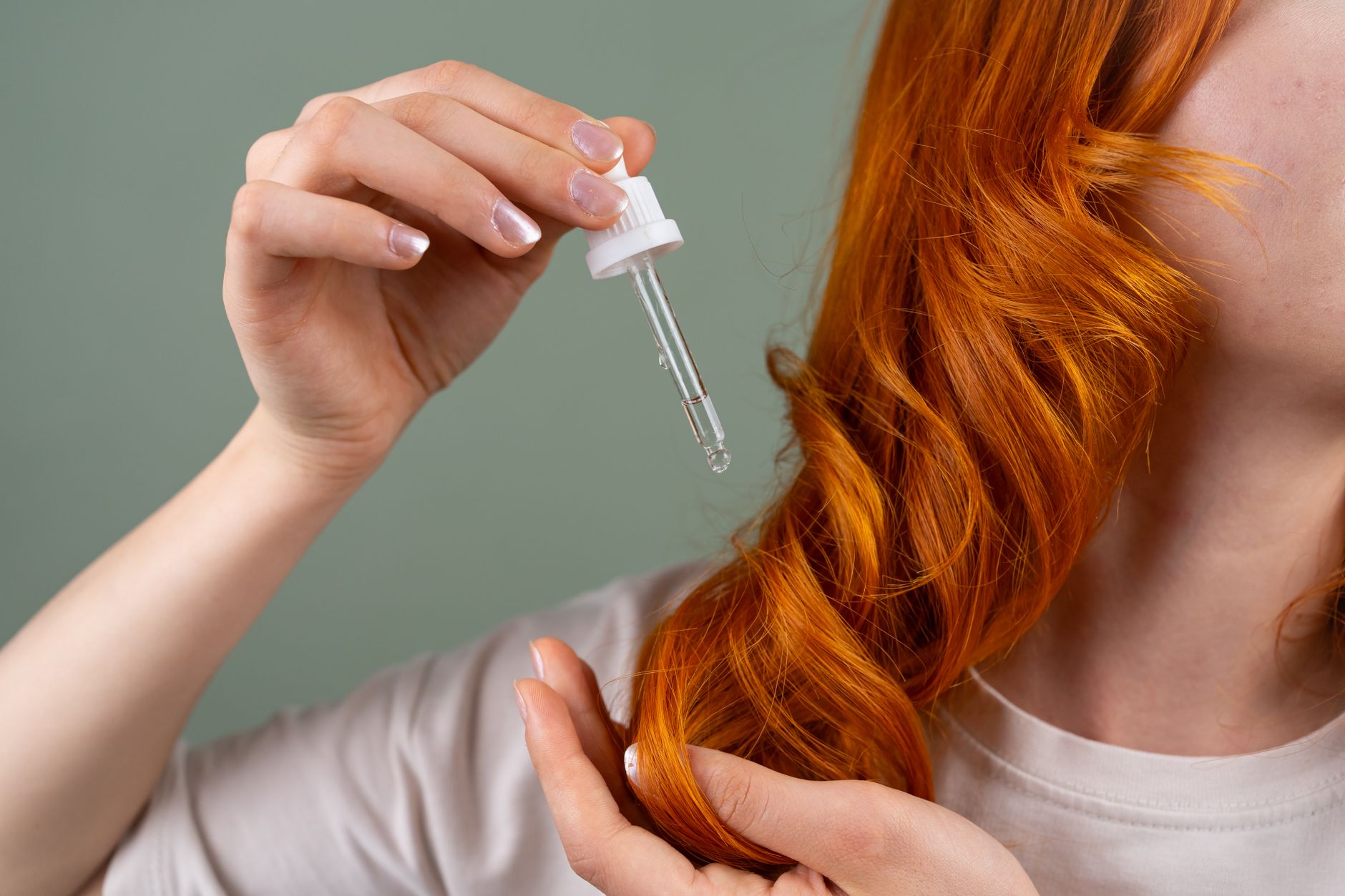
In the quest for vibrant and lush hair, many beauty enthusiasts are exploring natural remedies, and rosemary oil has emerged as a popular contender. This essential oil, derived from the rosemary plant, is celebrated not only for its invigorating scent but also for its potential benefits in hair care. But does it really promote hair growth? Let’s unravel the connection between rosemary oil and hair growth, looking at the benefits, realistic results, and practical tips for incorporating it into your routine.
Understanding the science behind hair growth can be somewhat complex, but rosemary oil is thought to influence it positively. This article dives deep into how rosemary oil can aid in achieving healthier hair, what users can realistically expect, and how to properly use it to maximize its benefits.
Does Rosemary Oil Grow Hair?
Yes, rosemary oil may support hair growth by improving circulation to the scalp, enhancing hair follicles, and providing essential nutrients. Studies suggest that users may experience thicker hair and reduced hair loss with regular use. However, it may not work for everyone and should not be seen as a miracle cure for baldness.
Benefits of Rosemary Oil for Hair
Rosemary oil is packed with various properties that contribute to hair health. Let’s explore some of the notable benefits:
- Improves Scalp Circulation: The oil stimulates blood circulation in the scalp, providing hair follicles with more oxygen and nutrients.
- Encourages Growth: Certain studies indicate that rosemary oil may promote hair growth by revitalizing hair follicles and encouraging new hair production.
- Strengthens Hair: The nutrients in rosemary oil, such as rosmarinic acid and antioxidants, help to reinforce hair health, making it stronger and less prone to breakage.
- Reduces Dandruff: Rosemary oil can help alleviate scalp irritation and dryness, which in turn may reduce dandruff.
- Aromatic Qualities: Besides its beauty benefits, rosemary oil carries a pleasant fragrance, may improve mood, and promote relaxation during application.
How to Use Rosemary Oil for Hair Care
Incorporating rosemary oil into your hair care routine can be both simple and effective. Here are some popular methods to use for optimal results:
1. Scalp Massage
A scalp massage with diluted rosemary oil can significantly improve circulation. Here’s how to do it:
- Mix a few drops of rosemary oil with a carrier oil, such as coconut or jojoba oil.
- Apply the mixture to your scalp.
- Gently massage your scalp in circular motions for about 5-10 minutes.
- Leave it on for at least 30 minutes, or overnight if possible.
- Wash your hair with shampoo to remove the oil.
2. Hair Rinse
A rosemary oil-infused rinse can also boost your hair health:
- Add 10-15 drops of rosemary oil to a cup of water.
- After shampooing, use this mixture to rinse your hair.
- Leave it on for a few minutes, then rinse again with water.
3. Add to Shampoo or Conditioner
You can also mix rosemary oil into your regular shampoo or conditioner. Here’s a quick guide:
- Add 5-10 drops of rosemary oil to your shampoo or conditioner.
- Shake the bottle well to mix the ingredients.
- Use as directed, ensuring thorough coverage on your scalp and hair.
4. DIY Hair Masks
Create a nourishing hair mask with rosemary oil and other beneficial ingredients:
- Mix 2 tablespoons of honey, 1 tablespoon of olive oil, and 5 drops of rosemary oil.
- Apply the mixture to damp hair from roots to ends.
- Leave it on for 30-60 minutes, then wash out with a gentle shampoo.
Realistic Results: What to Expect
When integrating rosemary oil into your hair care routine, it’s essential to set realistic expectations. While some users report visible improvements within a few weeks, others may take months to notice results. Here are a few points to keep in mind:
- Consistency is Key: Regular application is critical for seeing potential benefits. Using rosemary oil just once in a while will significantly lower your chances of achieving desired results.
- Individual Variation: Results may vary based on individual factors such as genetics, hair type, and overall health.
- Not a Miracle Solution: While rosemary oil can support hair health and growth, it may not work for everyone or address all hair loss issues.
- Patience is Vital: Hair growth is generally a slow process. Allow time (at least a few months) before evaluating your results.
Safety Considerations and Precautions
Although rosemary oil is generally considered safe for topical application, there are precautions to take to ensure a positive experience:
- Patch Test: Before using rosemary oil, especially for the first time, perform a patch test to check for any allergic reaction. Apply a diluted drop to a small area of skin and wait 24 hours.
- Carrier Oil: Always dilute essential oils with a carrier oil to prevent skin irritation. Recommended carrier oils include coconut, jojoba, and almond oil.
- Avoid Direct Contact with Eyes: Keep the oil away from your eyes. If it occurs, rinse thoroughly with water.
- Consultation: If you are pregnant, nursing, or have a medical condition, consult a healthcare professional before using rosemary oil.
Common Mistakes When Using Rosemary Oil
To make the most of rosemary oil for hair care, avoid these common pitfalls:
- Overusing: More is not always better. Using excessive amounts can lead to scalp irritation.
- Skipping Dilution: Always dilute rosemary oil before applying it to your scalp. Applying it undiluted can cause irritation or allergic reactions.
- Inconsistent Application: Forgetting to use rosemary oil regularly can hinder your results.
- Ignoring Scalp Health: Focus on overall scalp health by maintaining cleanliness and nourishing the scalp to support hair growth.
Combining Rosemary Oil with Other Ingredients
Enhancing the effects of rosemary oil can be achieved by combining it with other key ingredients. Here are some ideas:
- Castor Oil: Known for promoting hair growth, mixing castor oil with rosemary oil can create a potent hair care treatment.
- Aloe Vera: This soothing plant can help hydrate the scalp when combined with rosemary oil in hair masks.
- Essential Oils: Blending rosemary oil with other essential oils, like lavender or cedarwood, can provide additional benefits for hair health.
Ongoing Maintenance for Hair Growth
After you begin to see improvements in hair growth, maintaining your routine is essential. Here are tips to ensure long-lasting results:
- Continue with regular scalp massages using rosemary oil.
- Keep your hair care routine consistent, using gentle shampoos and conditioners that don’t strip your hair of natural oils.
- Incorporate a balanced diet rich in vitamins and minerals promoting hair growth.
- Schedule regular trims to remove split ends and encourage healthier-looking hair.
Conclusion
Rosemary oil may serve as a valuable ally in your journey toward healthier, fuller hair. With its potential to improve scalp circulation, stimulate hair follicles, and provide essential nutrients, it’s a worthwhile addition to your beauty routine. However, it’s crucial to have realistic expectations and practice patience when awaiting results. Embrace the process and enjoy the aromatic benefits along the way.
For those eager to enhance their beauty regimens, consider exploring related topics like fixing frizzy hair and getting rid of dandruff for a comprehensive approach to achieving healthy hair.