
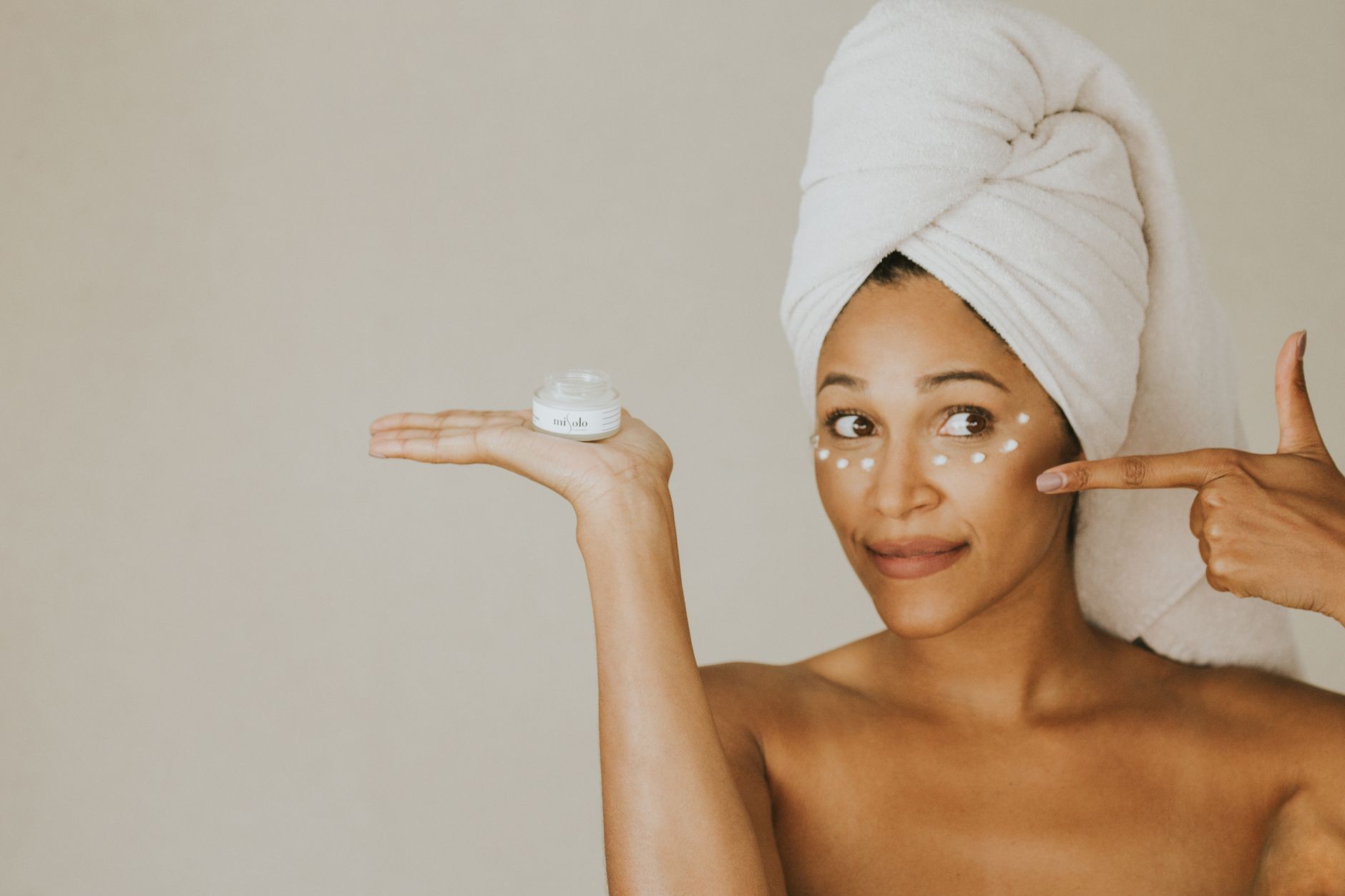
Puffy eyes are a common beauty concern that can add unwanted fatigue to your appearance, making you look older and less vibrant. Understanding what causes puffy eyes can help you address the issue effectively, allowing for more radiant and youthful-looking skin.
This article will explore the various causes of puffy eyes, preventive measures, and tips on how to care for this delicate area. From seasonal allergies to lifestyle choices, we will cover everything you need to know for achieving a refreshed look.
What Causes Puffy Eyes?
Puffy eyes can result from numerous factors, both temporary and chronic. Generally, they occur when fluid accumulates in the tissues surrounding the eyes, leading to that characteristic swelling. Here are some of the primary causes:
1. Allergies
Allergic reactions can lead to inflammation and fluid retention around the eyes. Common allergens, such as pollen, dust mites, and pet dander, can cause histamines to be released in the body, resulting in swelling and redness.
2. Lack of Sleep
Inadequate sleep can lead to increased cortisol levels, a stress hormone that can cause fluid retention. Additionally, exhaustion may cause blood vessels beneath the eyes to become more prominent, creating a puffy appearance.
3. Diet
Your diet plays a crucial role in the hydration levels and overall health of your skin. Consuming too much salt can lead to fluid retention, which may manifest as puffiness around the eyes.
4. Dehydration
Ironically, not drinking enough water can contribute to puffy eyes. When your body is dehydrated, it seeks to retain water, leading to swelling in various areas, including under the eyes.
5. Aging
As we age, the skin loses its elasticity, and the fat pads that support the eyes can begin to sag, leading to a puffy appearance. Worsening of these puffy areas often comes along with the appearance of dark circles and fine lines.
6. Genetics
Genetic predisposition can play a role in how your body handles fluid retention. If puffy eyes run in your family, you may be more likely to experience this condition yourself.
7. Hormonal Changes
Hormonal fluctuations, such as those experienced during menstruation or pregnancy, can lead to water retention, affecting the eye area. These changes can often lead to more pronounced puffiness during certain times of the month.
8. Eye Strain
Spending extended periods staring at screens or engaging in activities that require great focus can cause eye strain, leading to increased fluid retention. This can exacerbate puffiness, especially if done in conjunction with lack of sleep.
9. Sinus Issues
Sinus infections or allergies can cause swelling around the eyes due to increased blood flow to the area and fluid build-up. This often causes a taut feeling and puffiness.
10. Alcohol and Smoking
Consuming alcohol can lead to dehydration and swelling, exacerbating the condition of puffy eyes. Similarly, smoking can affect blood circulation and contribute to skin aging, leading to puffiness.
Prevention Tips for Puffiness
Prevention is always better than cure. Here are practical tips to help minimize the occurrence of puffy eyes:
- Stay Hydrated: Aim to drink at least eight glasses of water each day to keep your body and skin hydrated.
- Limit Salt Intake: Reduce your consumption of high-sodium foods to minimize fluid retention.
- Get Enough Sleep: Prioritize adequate rest each night, aiming for 7-9 hours to help reduce stress and puffiness.
- Manage Allergies: Use antihistamines or other treatments to manage allergies that could cause puffiness.
- Limit Alcohol and Caffeine: Reducing alcohol and caffeine can help prevent dehydration and the associated puffiness.
- Use Gentle Eye Products: Opt for eye care products that are nourishing and hydrating, avoiding harsh ingredients that may irritate the skin.
- Practice Hot and Cold Compresses: Alternate between warm and cold compresses to stimulate circulation and reduce swelling.
- Limit Screen Time: Be mindful of prolonged screen time; take breaks to reduce strain on your eyes.
Care Tips for Puffy Eyes
When puffiness does occur, there are several effective care tips to help alleviate the issue:
1. Cool Compress
A cool compress can help reduce swelling and inflammation. Simply soak a clean cloth in cold water or place a spoon in the refrigerator, then rest it on your eyes for about 10-15 minutes.
2. Cucumber Slices
Cucumbers have natural anti-inflammatory properties that can soothe the skin. Place chilled cucumber slices on your eyes for a refreshing effect.
3. Tea Bags
Used tea bags, particularly green or chamomile, can also reduce puffiness. They contain antioxidants and anti-inflammatory properties. Cool them in the fridge, then place them on your eyes for 10-15 minutes.
4. Hydrating Eye Creams
Use eye creams that contain ingredients like caffeine, hyaluronic acid, or peptides, which can help stimulate circulation and reduce puffiness. Apply gently with your ring finger to avoid tugging the delicate skin.
5. Facial Massage
Gently massaging your eye area can stimulate lymphatic drainage, helping to reduce fluid buildup. Use your fingertips in a circular motion to massage under the eyes and along the brow bone.
6. Sleep Position
Adjust your sleeping position by elevating your head with an extra pillow. This can help minimize fluid accumulation in the eye area while you sleep.
7. SPF Protection
Always use sunscreen around the delicate eye area. Sun damage can exacerbate aging and contribute to puffiness over time.
Makeup Tips to Conceal Puffy Eyes
Sometimes, despite your best efforts, you may need to rely on makeup to help conceal puffy eyes. Here are some effective makeup tips:
- Use a Brightening Concealer: Choose a lightweight, illuminating concealer to mask dark circles and brighten the under-eye area. Apply with a small brush for precision.
- Highlight the Inner Corners: Use a light, shimmery eyeshadow or highlighter on the inner corners to open up the eyes and divert attention from puffiness.
- Avoid Heavy Eyeliner: Heavy eyeliner can draw attention to puffiness. Opt for soft browns or taupes instead of stark blacks.
- Focus on Lashes: Curl your lashes and apply mascara to lift the eye area, making it appear more awake.
- Use Nude Eyeliner: Apply nude or white eyeliner to the waterline to create the illusion of larger, more alert eyes.
- Choose the Right Eyeshadow: Opt for softer colors and avoid heavy dark shades that can intensify the puffiness.
When to See a Professional
While puffy eyes are often harmless and can be managed through lifestyle changes or home remedies, there are instances where professional guidance may be needed:
- If you notice persistent puffiness that does not improve with home remedies.
- If the swelling is accompanied by pain, redness, or changes in vision.
- If you experience sudden swelling that could be indicative of an allergic reaction.
- If you have a medical history of chronic sinus issues or other health conditions contributing to puffiness.
Conclusion
Puffy eyes can stem from a variety of causes, including allergies, lack of sleep, and dehydration. However, with mindful prevention and effective care strategies, you can manage this common concern. Keep your lifestyle healthy, hydrate often, and consider both skincare techniques and makeup tips to achieve a refreshed appearance. Your eyes deserve all the care you can give them!
Explore related beauty guides and tips for enhancing your beauty routine, including how to remove eye bags permanently or learn how to debloat your face.