
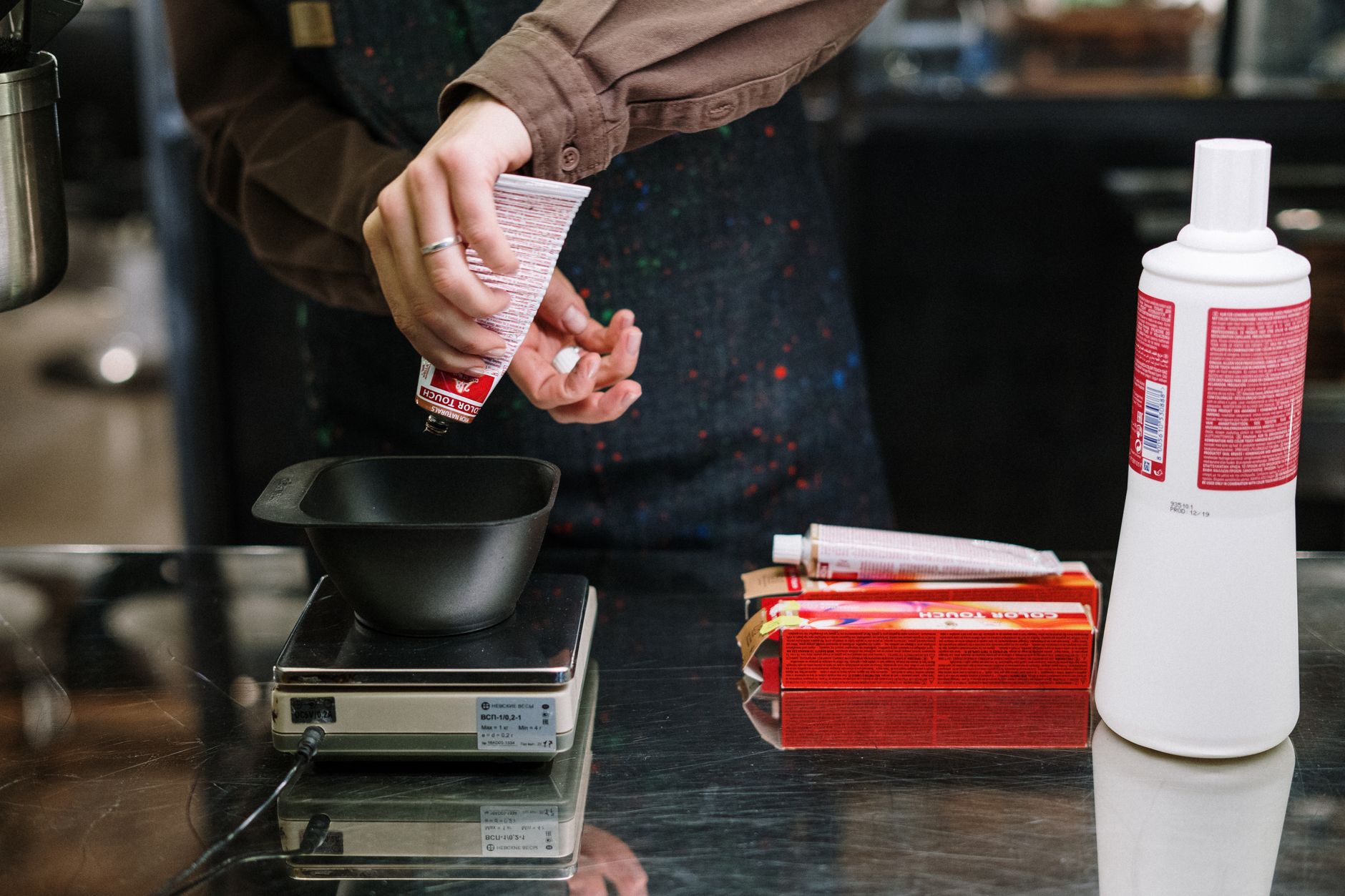
Toning hair is a popular technique used to adjust unwanted hues and achieve a more balanced color. Whether you’re looking to neutralize brassiness in blonde hair or enhance the richness of dark shades, toning can make a significant difference. Understanding how to tone hair properly can elevate your hair color and refresh your overall look without the commitment of permanent dye.
This guide will provide practical tips and common mistakes to avoid when toning your hair. From understanding the basics of hair tone to the application process and aftercare, you’ll have all the information you need to achieve beautiful, toned hair.
How to Tone Hair?
Toning hair involves using a hair toner to adjust the underlying pigments in your hair color. Toners can help you eliminate unwanted warm tones, such as yellows and reds, particularly in blonde or highlighted hair. To tone your hair successfully, you’ll want to choose the right product, follow application instructions carefully, and pay attention to aftercare.
Understanding Hair Tones
Before diving into the toning process, it’s important to understand the different hair tones and what they mean:
- Warm Tones: These include golden, yellow, and orange hues. They are often found in blonde or light brown hair.
- Cool Tones: These encompass ash, silver, and violet shades. Cool tones can counteract warmth and are favored for achieving a more neutral look.
- Neutral Tones: These have a balanced mixture of both warm and cool tones, providing a natural appearance.
Choosing the Right Toner
Selecting the appropriate toner is crucial for achieving your desired hair tone. Here are some common types of toners:
- Direct-Dye Toners: These are semi-permanent and dye the hair without using a developer. They provide vibrant results and are great for refreshing color.
- Permanent Toners: Mixed with a developer, these toners provide long-lasting results. They are used to change the hair color more dramatically.
- Color-Depositing Conditioners: These are used as at-home maintenance products to help keep color fresh between salon visits.
Color Wheel Basics
Understanding the color wheel can help you choose the right toner for your needs:
- To neutralize yellow tones, look for purples or violet-based toners.
- For orange or brassy tones, blue or blue-violet toners are effective.
- If you want to enhance warmth, yellow or gold-toned products can be utilized.
Gathering Your Supplies
Once you have settled on a toner, gather the necessary supplies:
- Hair toner
- Developer (if applicable)
- Applicator brush
- Gloves
- Mixing bowl
- Shampoo and conditioner (preferably sulfate-free)
- Timer
- Old towel or cape
Preparing for Application
- Perform a Strand Test: Before applying toner to your entire head, it’s wise to do a strand test. This will help you gauge how your hair reacts to the toner and how long to leave it on.
- Wash Your Hair: Start with clean hair that is free of product buildup. An ideal time to tone hair is soon after a highlighting treatment, where your hair is already lifted.
- Mix the Toner: If using a permanent toner, mix the toner and developer according to the instructions on the package.
How to Apply the Toner
- Section Your Hair: Divide your hair into manageable sections, using clips to hold them apart. This helps ensure even application.
- Apply the Toner: Using your applicator brush, start applying the toner from the roots to the ends, focusing on the areas that need the most correction.
- Set a Timer: Follow the recommended timing from the manufacturer’s instructions. It’s crucial not to exceed this time to avoid over-toning.
- Rinse Thoroughly: After the time is up, rinse your hair well with lukewarm water until the water runs clear. This step is essential to remove any remaining toner.
- Condition: Apply a good quality conditioner to restore moisture to your hair.
Common Mistakes When Toning Hair
While toning can be straightforward, there are several pitfalls to avoid:
- Skipping the Strand Test: Not testing a small section first can lead to unexpected results. Always test.
- Incorrect Toner Choice: Using the wrong color toner can exaggerate unwanted tones instead of correcting them. Refer back to the color wheel if you’re unsure.
- Over-Toning: Leaving the toner on for too long can make hair look ashy or even lead to unwanted hue changes.
- Neglecting Aftercare: Failing to maintain hair health post-toning can diminish your tone. Use color-safe products to prolong color vibrancy.
- Not Enough Coverage: Be sure to apply toner evenly and thoroughly to avoid patchiness. Sections should be small enough to ensure even distribution.
Aftercare for Toned Hair
Taking care of your newly toned hair is crucial for maintaining its vibrancy:
- Use Color-Safe Products: Shampoo and conditioner labeled for color-treated hair help preserve the tone and prevent fading.
- Limit Heat Styling: If possible, reduce the use of heat on your hair to prevent dryness and damage.
- Deep Condition Regularly: Incorporate a deep conditioning treatment once a week to keep your hair moisturized.
- Protect from Sun Exposure: UV rays can fade your hair color. Consider using hair care products with UV protection or wearing a hat in direct sunlight.
Maintaining Your Tone
Once you’ve achieved your desired hair color, maintaining that tone is essential:
- Use a Color-Depositing Conditioner: These help refresh color between toning sessions.
- Schedule Regular Touch-Ups: Depending on your hair’s natural growth and fading rate, consider scheduling a toning session every 4-6 weeks.
- Watch for Brassiness: If brassiness reappears, you may need to tone sooner. Tailor your frequency based on your hair type and color.
When to Seek Professional Help
While many people can tone their hair at home successfully, certain situations may warrant a professional touch:
- If you’re unsure about your color tone choices or feel overwhelmed by the process.
- If you have damaged or compromised hair that may not tolerate additional chemical treatments.
- When you’re aiming for significant changes in hair color, such as from dark to light.
Conclusion
Hair toning can be an effective way to achieve the desired hue and freshness you want for your locks. By understanding how to tone your hair properly, choosing the right products, and following appropriate techniques, you can enjoy beautiful results. Remember, embracing the learning process and taking care of your hair will yield the best outcomes.
For additional guidance on hair toners, explore our articles on what toner does for your hair and how long to leave toner in hair. Happy toning!